Author: Gracie Latrelle

  • One Of Georgia’s First State Parks Is in North Georgia!

    Did you know one of the first two Georgia state parks to ever be established is right here in North Georgia?

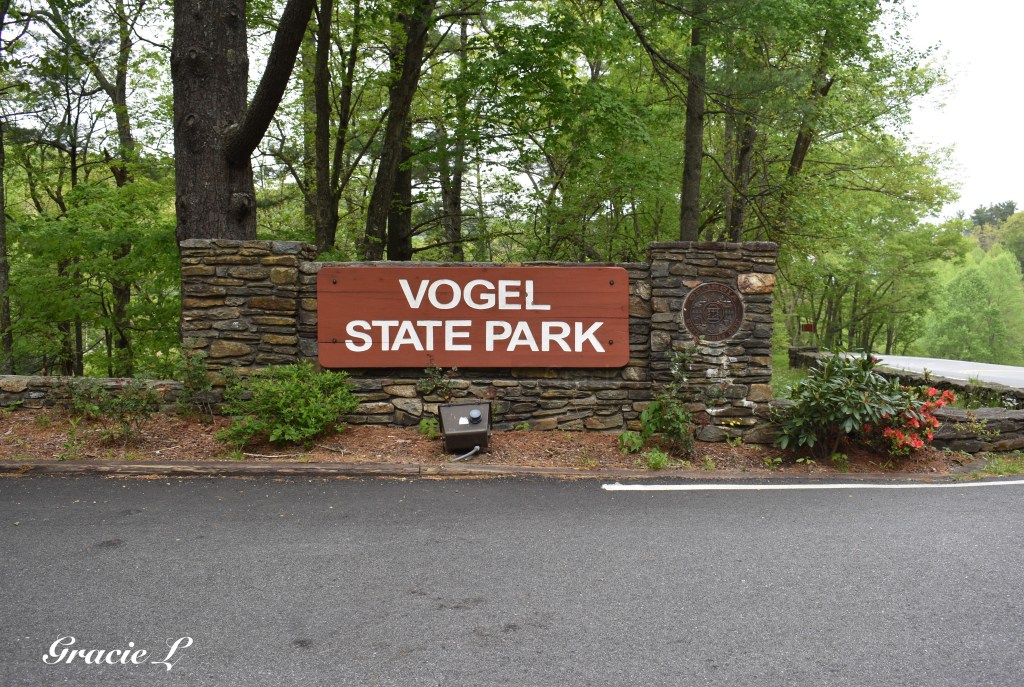
    Vogel State Park located in the North Georgia mountains not far from Smithgall State Park, Amicalola State Park and Unicoi State Park is one of the first two parks that Georgia ever established in 1931.
    During the early twentieth century cars were becoming extremely popular and so was tourism that’s when Georgia took knowledge of the new movement by joining the national movement to establish state parks in 1927. They also wanted to preserve the Indian Springs Reserve in Butts County, Georgia and the state senate called for resolution.

    The resolution resulted in Indian Springs and ten acres of land around it to be placed under the jurisdiction of the State Board of Forestry with the idea of turning the spring and the land around it into a state park.
    After this proposal in 1931, the Georgia State Parks was established, and the state created a commission that established Indian Springs as a state park as well as Vogel.

    During the next six years five more state parks would be added to this list including Santo Domingo (now Boys Estate) near Hofwyl -Broadfield Plantation, Alexander H. Stephens, Chehaw (which is currently a local park) and Pine Mountain which is now F.D. Roosevelt State Park.

    Vogel was established as a forest park with the reorganization of the State Board of Forestry. The reorganization act created a commission to administer the Department of Forestry and Geological Development.

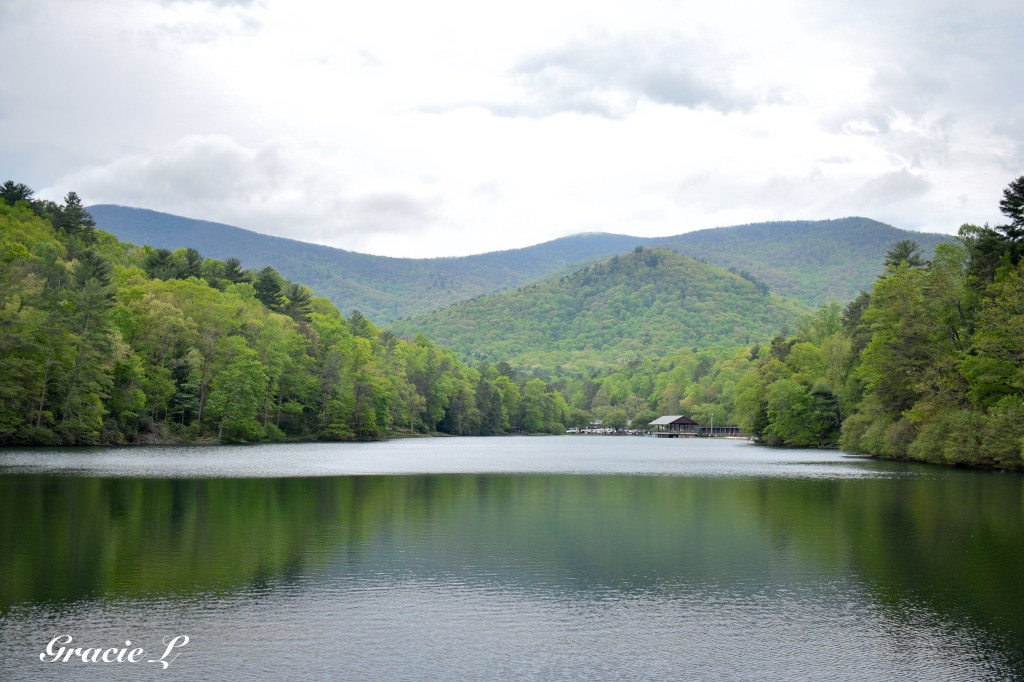
    Vogel is nestled in the Chattahoochee National Forest at the base of Blood Mountain in Blairsville, Georgia which is the highest part of the Appalachian Trail in Georgia. The park is located at 2500 feet above sea level and is linked to several generations of Native Americans living here before the Europeans arrived and rightfully so with its breathtaking beauty!

    The park today is 233 acres not including its 22 acre lake. Visitors have the option of staying over 34 cottages, 90 tent, trailer and RV sites, 18 walk-in campsites and 1 pioneer campground.

    Visitors also have the option of reserving 4 picnic shelters, 1 group shelter which seats 90 and 1 lake pavilion which seats 100.

    Today visitors can enjoy this park’s natural beauty by hiking over 17 miles of trail including hiking to Trahlyta Falls, fishing, swimming and kayaking.

    The park also has a general store and a seasonal CCC Camp Museum.

    After the establishment of Vogel and Indian Springs State Park, in 1937 the state reorganized the organization again splitting it into several divisions including the Division of Forestry, Division of Wildlife, Division of Mines, Mining and Geology and then finally the Division of State Parks, Historic Sites and Monuments.

    Today’s state park system is the direct ancestor of this park.
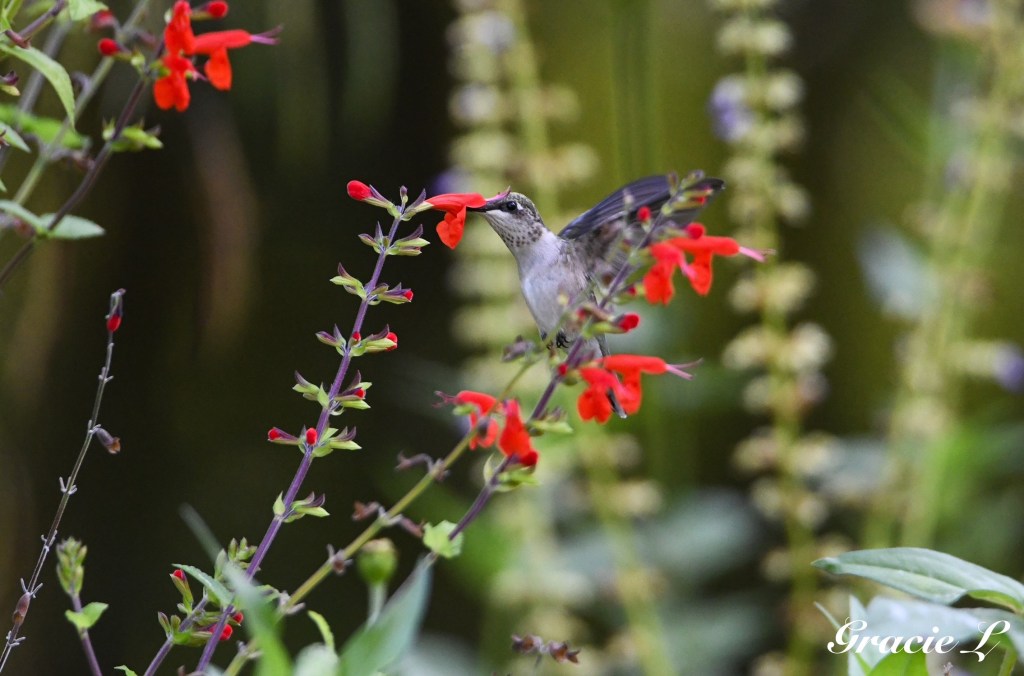
  • How To Collect Salvia and Texas Sage Flower Seeds!

    Salvia and Texas Sage, two very beautiful, unique and outstanding flowering plants that will truly show out in anyone’s flower garden but how do the flowers produce their seeds?

    Salvia and Texas Sage are both alike when it comes to harvesting their flowers. After the flower blooms, the stalks will drop their petals but will keep the bloom of the flower on. This is where the seeds will be at is where the petals of the Salvia fell off the plant and inside the trumpet shaped flower bloom, there will be little, tiny black and brown seeds.

    The easiest way that I have found to collect the seeds is by cutting the dead stems off of the plant and place them in a brown paper bag (Tip, only use paper bags as the stems and parts of the plants will mold in a plastic bag).

    After cutting the dead Salvia or Texas Sage stems off and placing them into the bag, bring them to a place where you can save the seeds and take the bag and begin shaking it to release the seeds inside the flower blooms. Use can either drain the seeds out of the bag through the top being careful not to dump the cuttings out of the bag or you can cut a small cut in the bottom of the paper bag and drain them out that way. You may still have some parts of the plants come out with the seeds, but you can take a strainer and separate the seeds from the parts of the flowers.

    I also recommend to never throw out the stems that you collected or any parts that may have seeds as some may still contain seeds inside.

  • Mammals Depend on This Liquid Nutrition to Survive!

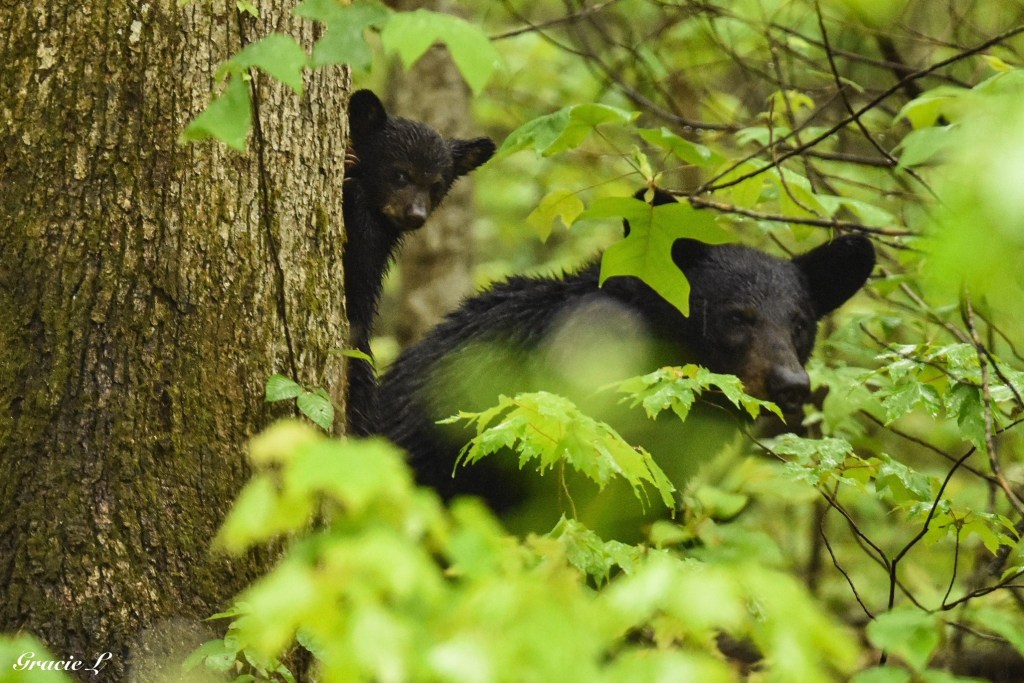
    Every mammal that is born into the world needs to nurse within minutes from their mother to get the colostrum that is in need for them to survive. So, what is colostrum? Let’s find out!

    Colostrum or first milk if you will be a form of milk that is produced by the mammary glands of the mammals. Mammal animals that live in the Appalachians consists of Coyotes, Bobcats, Deer, Raccoon, Squirrels, Elk and Black Bears.

    Colostrum is produced immediately after the animal gives birth and can sometimes be referred to as beestings when referring to the first milk.

    Why colostrum is so important is when the mother gives birth to the baby, the baby loses its sterile environment and constant nutrient supply from the placenta inside mom and now is exposed to a microbe-rich environment out in the world. This in turn causes the baby to have an irregular oral intake and then in return puts high demands on the gastrointestinal tract of the baby.

    Colostrum also has a mild laxative naturally in the milk and that helps the baby to produce its first stool which is called meconium. This clears excess bilirubin which is a red-orange compound that happens when a waste of dead red blood cells occurs, and this is produced in large quantities when the baby is born due to the blood volume reduction that occurs in the baby’s body.

    Maternal antibodies also help in the milk from the mother to the baby to help provide benefits for a short period as well and that helps to prevent the baby from getting an infection.

    Colostrum is a major part in the survival of the baby and should be provided immediately to the baby. Thankfully the mothers know exactly what to do!

  • One Of the Oldest Gristmills in Georgia is in North Georgia

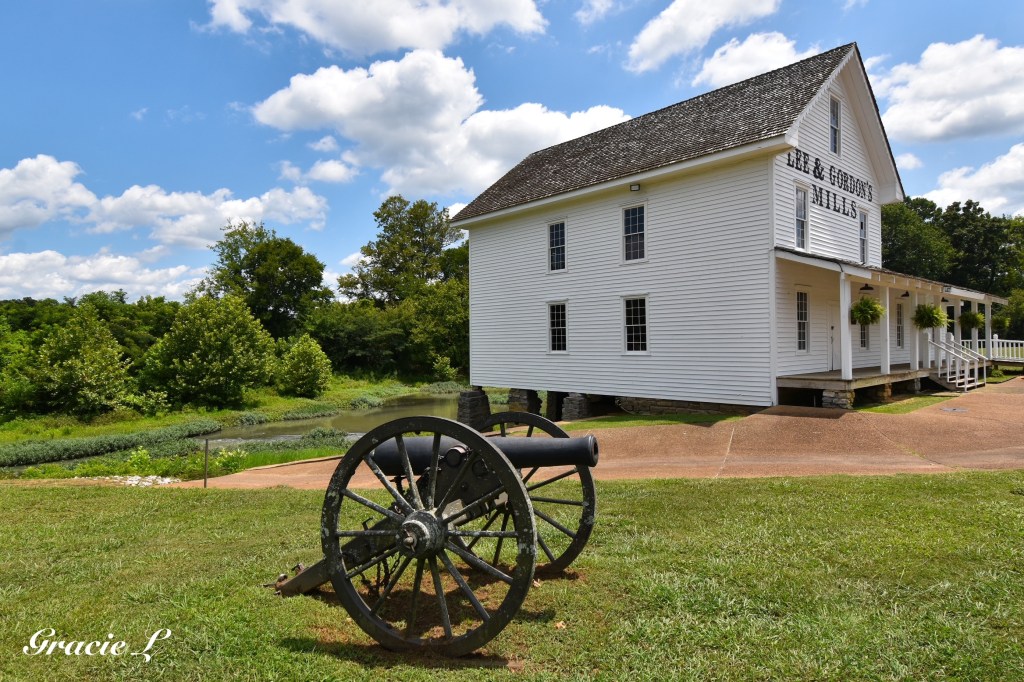
    Located on West Chickamauga Creek lies a very important part of Georgia’s history!

    The mill was built by a man named James Gordon who came from Gwinnett County, Georgia (Atlanta) in 1836.

    The mill served the community as one of the first general stores in the area. A blacksmith shop was also located nearby.

    The stagecoach and mail passed through twice a week.

    During the Civil War or “War Between the States” if you will, Confederate General Braxton Bragg and the Confederate Army of Tennessee used the mill as their headquarters from September 9 through the 10th of 1863.

    On September 10, 1863, General Bragg moved his headquarters out of the mill to nearby LaFayette Georgia and after doing so the next day Union troops occupied the mill and surrounding areas.

    On September 13 through the 18th of 1863, the Battle of Chickamauga drew troops to the North and the mill was once again used as a headquarters for the Confederate army but not for General Bragg and his army this time but rather General Joseph “Fighting Joe” Wheeler and his cavalry corps.

    The mill was later captured back by the Union Army in the winter of 1863. The Union used the second story of the mill as a Masonic Lodge.

    Sadly in 1867, the mill that had been around over 30 years and survived America’s deadliest wars burnt.

    James Lee, James Gordon’s partner rebuilt the mill on the same site that the first one had burnt and that is the mill that still stands today.

    For years the mill stood empty but yet full of history and in 1993 Mr. Frank Pierce purchased the mill and restored it to operating condition and rebuilt the dam.

    The mill is open from Tuesday through Saturday from 9am to 5pm. Admission is free and you can purchase fresh ground cornmeal on the mill’s site.

    This place is a true Georgia historic site loaded with so much history!

  • Are Bald Eagles Actually “Bald”?

    Have you ever wondered if Bald Eagles are actually bald? Let’s find out!

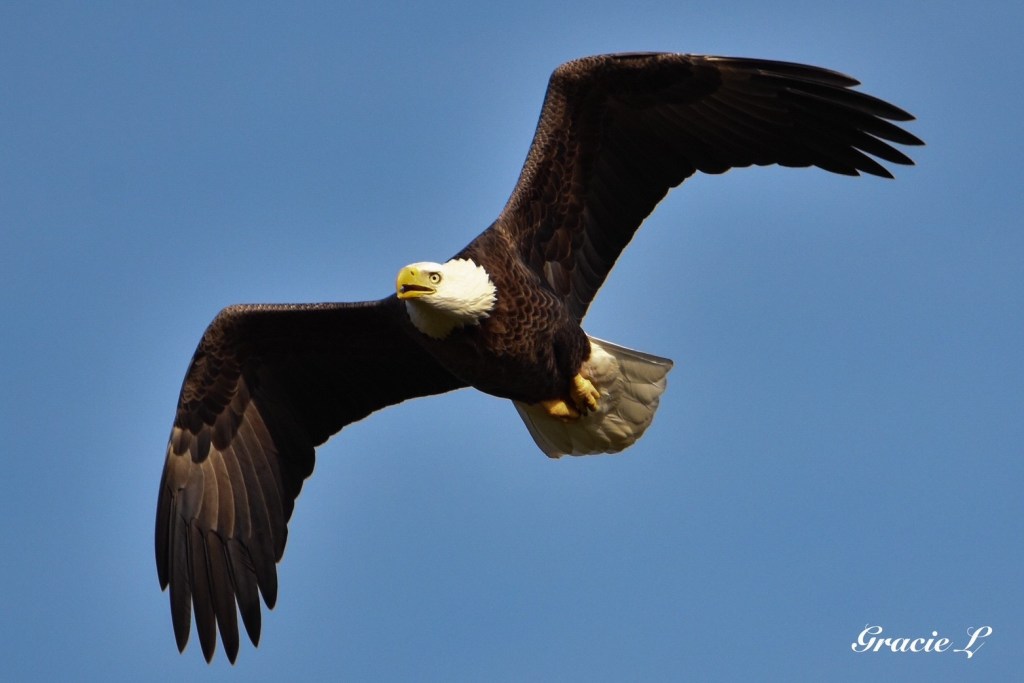
    Bald Eagles get the name bald after an old English word “balde” which means white.

    The word bald pays tribute to these birds white feathered heads and white tail feathers which are one of the key factors that we all use to identify the species.

    So how do these guys and gals get their iconic white feathers? It’s a long but very amazing process!

    Bald Eagles are actually born with a fluffy white down but as they grow, their white down will change into a gray wooly down. This change normally happens around the first four weeks of the eaglets life.

    When the eaglet turns 5 weeks old, their black and brown feahered plumage will begin to grow out.

    Around 10 weeks old the eaglet will be fully covered in their adult dark black plumage. Some will mistaken the juvenile as a Golden Eagle.

    The “teenage” eagle will keep their dark colored feathers for the first 6 months of their life.

    After 6 months have gone by, the eagle will then begin transitioning from their dark head and tail feathers into a lighter creamish white feathers.

    The eagle will continue to molt year after year until it’s head and tail feathers are completely covered in white plumage. This normally occurs at around 5 years of age.

    So the “nest” time (oh excuse me!) The next time that ya’ll see a Bald Eagle try to remember how long of a process it is for these beautful birds to have their reigning feathers!

  • How Ducks Avoid Frostbite in Cold Waters

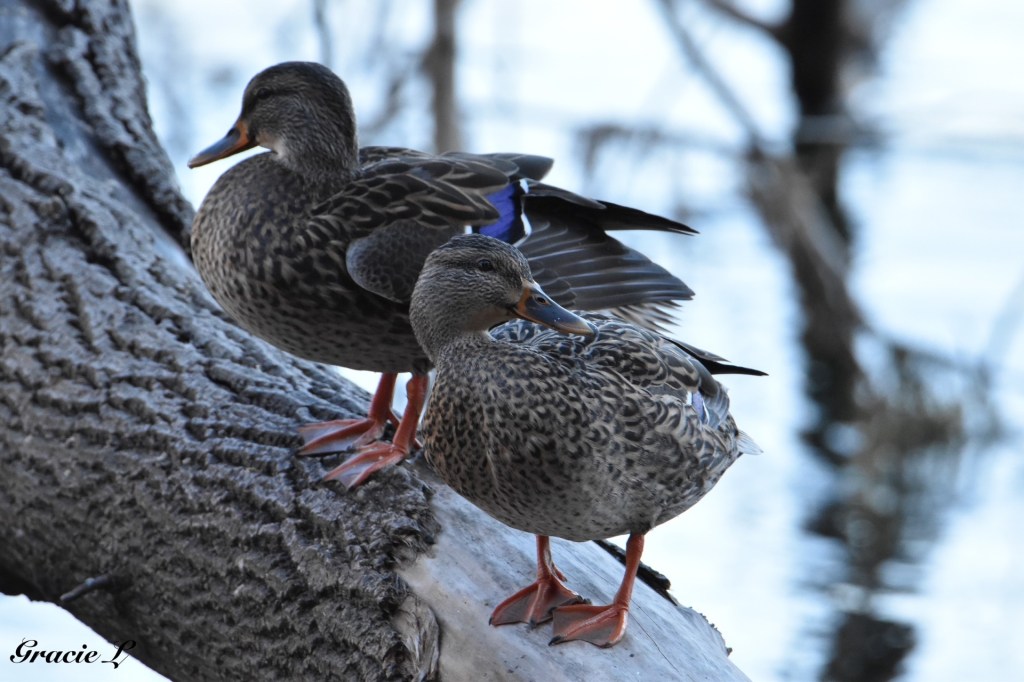
    Have you ever seen a Wild Pintail or Mallard Duck swimming and riding a river current and wondered just how do they swim in freezing cold and not get frostbite in their bare feet like us humans do? Let’s find out!

    Too much of the cold blood would bring their body temperature down which would then lead to hypothermia but ducks have another way of solving this!

    Ducks feet are not insulated through layers of fat nor feathers so with this being said, they instead rely on another source of warmth called “countercurrent”.

    As warm arterial blood rushes out of the duck’s heart and begins traveling its way to the duck’s feet, it is met closely by the rushing cold blood coming out of the duck’s feet. In birds the veins and arteries run close together therefore as they pass each other, the cold blood from the duck’s feet takes most of the heat from the artery causing the artery blood to be extremely cool before entering the duck’s leg, preventing any heat loose from the Duck’s body.

  • Georgia’s Wild Turkey Population Is in Serious Decline

    Here in the Appalachians where I am from turkeys are becoming less and less seen. I used to see and photograph dozens of turkeys around here each year but sadly I have not photographed the first turkey this year. This put me into research mode, and this is what I found out!

    According to the Georgia Department of Natural Resource, state agencies and researchers across the state of Georgia and the Southeast have been monitoring and watching closely turkey reproduction and the turkey harvest season each year and sadly they have seen alarming declines in the populations of wild turkeys.

    The poult or “baby turkey” hatching and growing rate is a fraction of what it was two decades ago. The poult count per each mother hen average has been on the decline since the late 1990’s. The poult count per each hen is around 1/3 of what it was at its peak. The average poult count is currently around 1.5 to 1.6 per hen.

    So what is causing these severe declines in the population?

    Coyotes and other predators are a major fact to this disruption of the poult or baby turkeys as they are nothing but a treat to them. A majority of nests and broods of poults are ravaged each year.

    Habitat changes like short timber rotations, hardwood removal and suburban development has caused these birds to lose their habitats or homes making it more difficult for these guys to reproduce and thrive.

    Last but not least is illegal hunting activity. Research has shown that gobbling, which is necessary for a male to win over a female during breeding season is being disrupted by hunters who are illegally taking male turkeys “toms” in their most vunerable times.

    By removing “toms” especially dominant toms, hunters could be impacting breeding activities and therefore disrupting the turkey population.

    The Wildlife Resources Division is currently working hard to help conserve and save the population from further decline.

  • Crickets Are Natural Thermometers!

    Have you ever set outside in the late evening and listened to the relaxing sound of crickets chirping? Well did you know that when the crickets are chirping it can also tell you what the temperature is outside? It’s true!

    Crickets chirp faster when it is warm outside and when it is colder crickets will chirp slower.

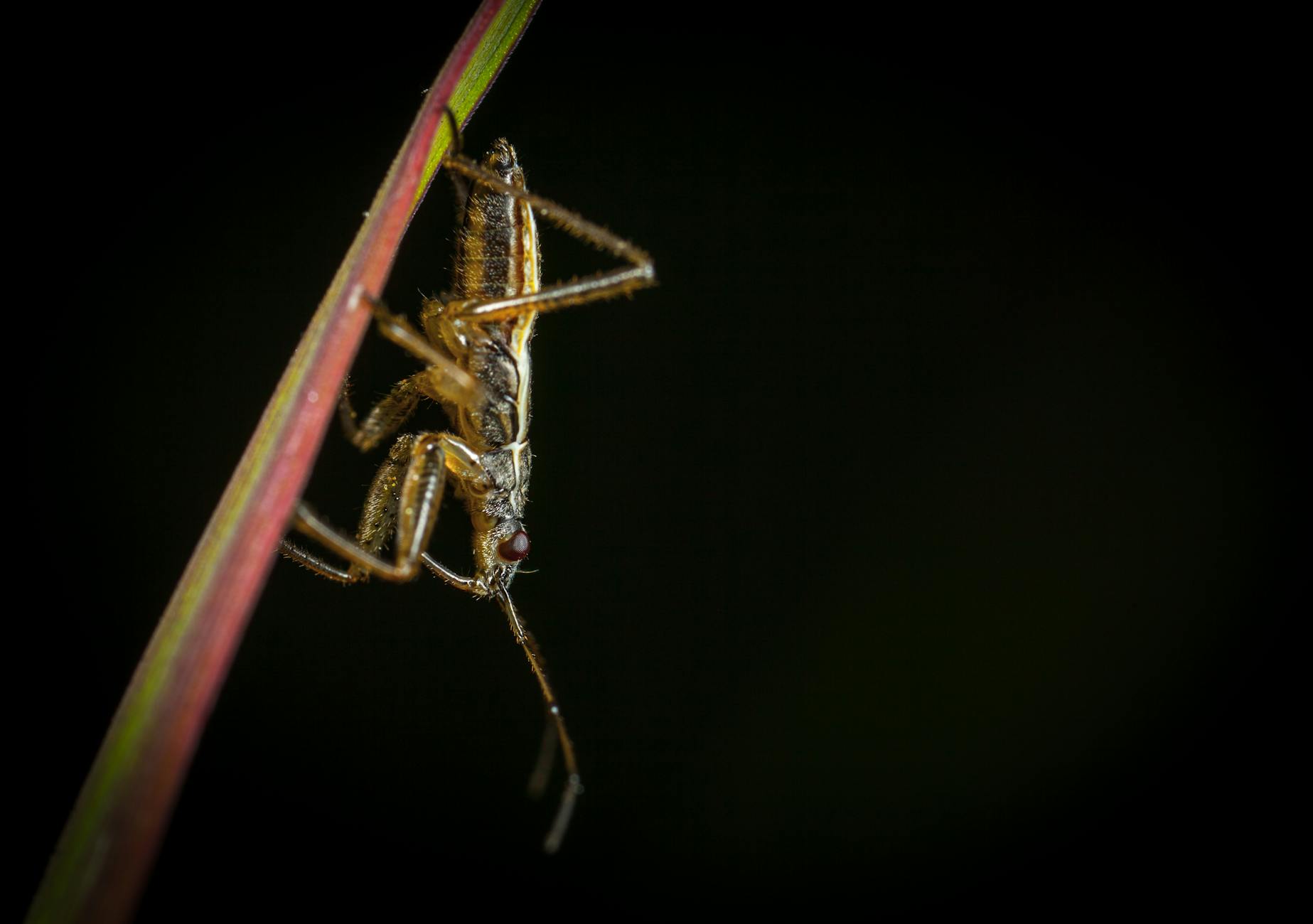
    Photo by Egor Kamelev on Pexels.com

    The easy rule of thumb is to count however many times the crickets chirp as fast as you can in 14 seconds and add 40 to the resulting number that you have counted. The result will be the temperature in Fahrenheit of whereever the crickets are located.

    Crickets are cold blooded and adapt to the temperature of their surroundings.

    In 1897, a scientist named Amos Dolbear published an article “The Cricket as a Thermometer” which noted the correlation between the rate of the crickets chirp and the ambient temperature.

  • Honeybees Are Not the Only Insects That Make Honey!

    Have you ever wondered after taking a bite of nature’s delicious gold if Honeybees are the animals that can produce this delicious treat?

    The answer really has two answers both yes and no so let’s dive right on into the hive and find out!

    The answer is no Honeybees are not the only insects that make honey!

    Bumblebees make honey but it cannot be collected and used for by humans. However, Bumblebees only make enough honey for the colony to be able to survive on bad weather days when they are not safe to leave the colony.

    Another group of insects that produces honey is wasps! There are over 17 species of Wasps that produce honey and one specific species that is known for its honey is the Mexican Honey Wasp or B. mellifica. This wasp’s honey is considered a delicacy in some cultures of Mexico. They also provide pest control and help to pollinate avocados.

    Hornets and Yellow Jackets do not produce honey.

    So, as you all can see Honeybees are not the only insects that produce honey, but it doesn’t make that honey taste any less sweeter!

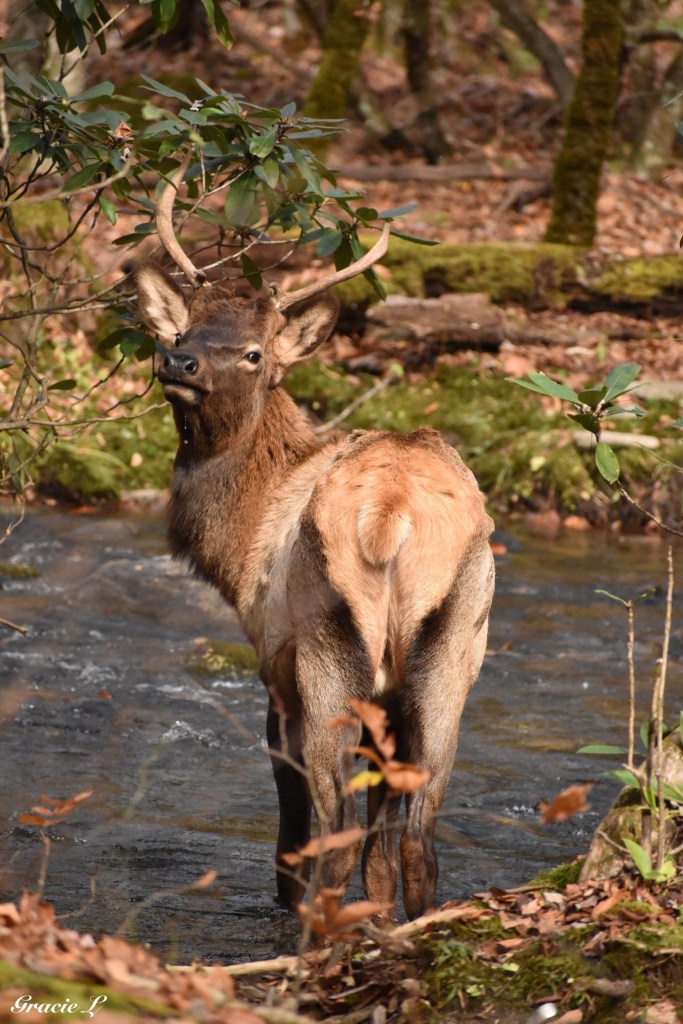
  • Elk: The Loudest Deer in North America

    Did you know that Elk are the loudest species of deer?

    Elk, especially bull male elk, make one of the highest pitched and unique sounds that can be found on the planet.

    During the breeding season called the “rut” male bulls will make mating calls called “bugles” to help call in and win over his females.

    The high-pitched has been said by some to similar a mix between a scream and a whistle.

    Bugles from a bull elk are so loud sometimes they can be heard from miles away!

    Another call besides the bugle tht elk use to communicate is a sound called “clicking” but this communication doesn’t come from the voice!

    Clicking is the most commonly used call by elk when communicating.

    Elk make popping or clicking noises with their ankle joints. This lets other elk know that the elk behind them is part of their herd and is not a predator.

    Elk are very impressive animals and very smart as well. They know when danger is near and like I mentioned above they have several ways to help alert the rest of the herd of the nearby potential danger.

    However, this is another good reason why you should always be alert when visiting places that are populated with elk like the Great Smoky Mountains because if you are hiking and not paying attention and you come across an elk it may just mistaken you as a predator and nobody wants to make a 700lb bull elk or 500lb cow elk mad!