Author: Gracie Latrelle

  • Easy, Classic Georgia Mac & Cheese Recipe: Just Like My Grandma Makes!

    My Georgia grandma has made this simple mac & cheese recipe for generations. Out of all of her mac & cheese recipes, I have to say that this recipe has been one of my personal favorite recipes of her’s and it is super simple to make!
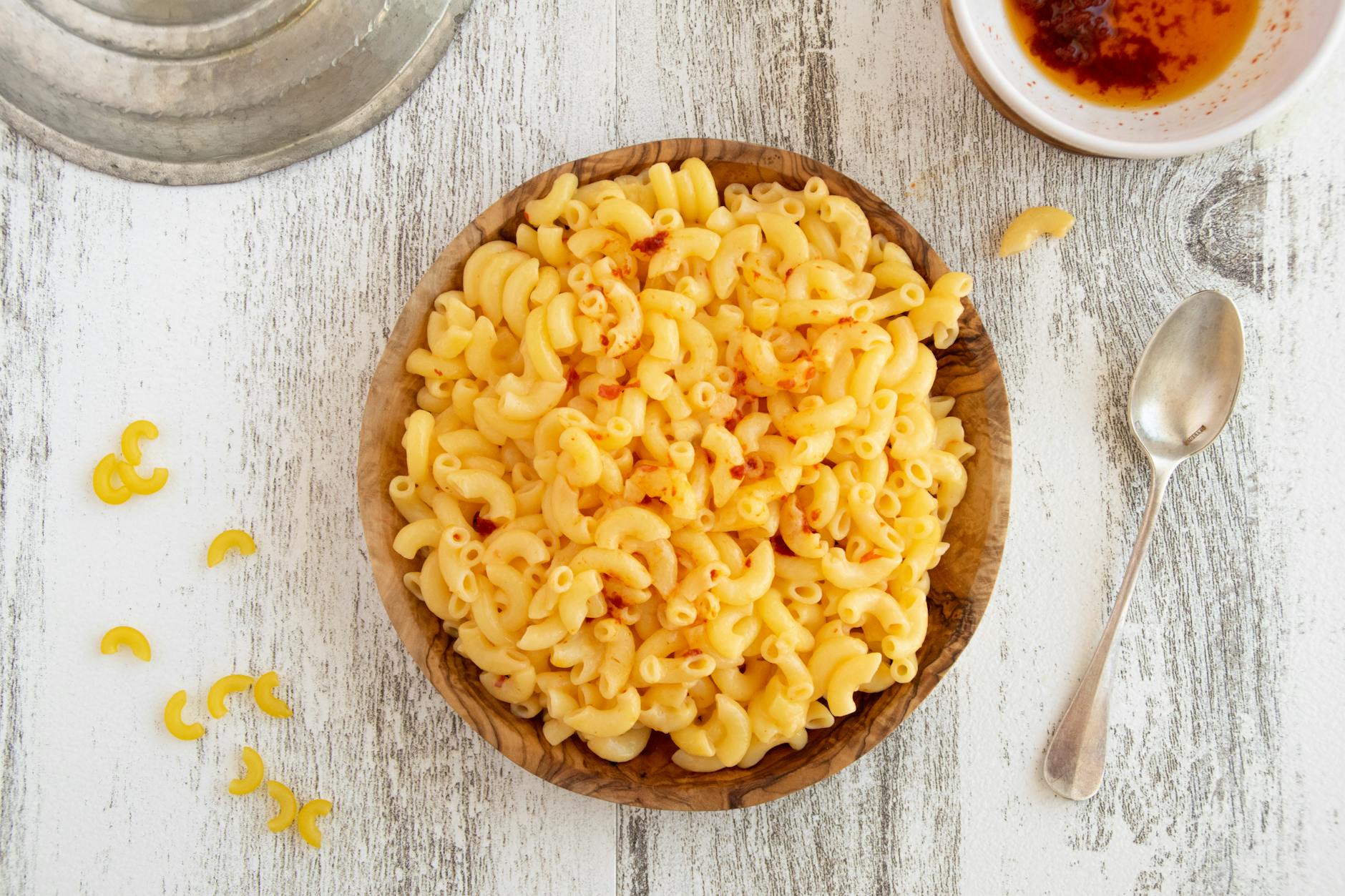
    Photo by Angela Khebou on Pexels.com

    Ingredients:
    1 Cup of Elbow Pasta

    1 1/2 Cup of Milk (If mixure is still too thick for your preference add more milk).\

    4oz of Velveeta Cheese

    2 Tablespoon of Flour

    3 Tablespoon of Salted Butter

    Cooking Directions:

    Bring about 2 Cups of water on the stove to a boil. Once the water is boiling, add two teaspoons of salt into the boiling water and add the pasta.

    Stir the pasta into the salted water and let the mixture boil to your preferred package’s cooking time.

    Once the elbow pasta is cooked, take a strainer and strain the water out of the pasta.

    Add your milk, butter, flour, salt and pepper back into the kettle.

    Cook this mixture until it thickens and becomes bubbly then add your cheese (be sure to cube your cheese for faster cooking time).

    Take your pasta that you just drained and place it back into the cheese mixture and mix well.

    Place the mac and cheese mixture into a oven safe dish and cook on 350 in the oven until the top of the mac and cheese becomes golden brown.

    I hope that you guys enjoy my Georgia grandmother’s simple mac & cheese. When we see this was being served as a snack or meal, a smile truly ran across each of our little faces.
  • How To Tell If a Baby Bird Is an Orphaned or Has Fledged?

    Baby birds are hatching inside of their nests all around us right now.

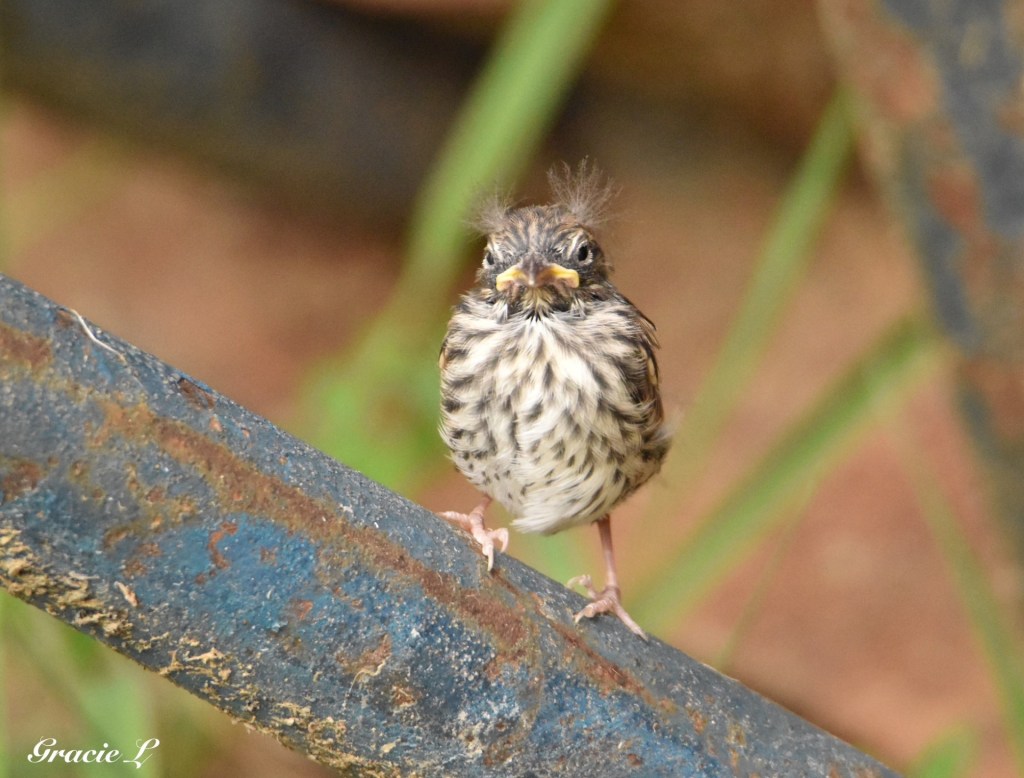
    “Fledglings,” are baby birds that fly out of their nests and are beginning to learn how to be an adult bird with mom and dad assisting when help is needed. They are beginning their new life outside of the nest!

    So how do you tell whether or not a baby bird is of need of assistance or if it has just fledged the nest? Here are a few ways that you can tell the difference! (Remember if you think that the bird needs human intervention call The Georgia Department of Natural Resources they will tell you what to do next.)

    One of the easiest ways to tell if a bird has just fledged the nest is by its feathers! Nestlings normally often have bare skin exposed or are only covered in fuzzy down while fledglings are most of the well feathered and are hopping around on the ground while trying to fly.

    You may think that this sounds dangerous for the baby bird to learn how to fly but don’t worry as mom nor dad take their sights off of their baby during this time.

    Another way that is easy to tell the difference between a fledgling and a nestling is a nestling has wing feathers that look very similar to tubes. This is because the feathers have not broke through their protective sheaths yet. Fledglings have short tail and wing feathers.

    I hope that these tips were helpful! Happy birding everyone!

  • The History Behind the Tipton Place inside of Cades Cove

    The Tipton Place was previously a part of a 640-acre land parcel which was obtained by William “Fighting Billy” Tipton under the Tennessee Land Grant in the 1820’s.

    William’s land later covered most of the valley floor of Cades Cove through other land grants and while he never lived inside of the cove, he was the first recorded legal landowner.

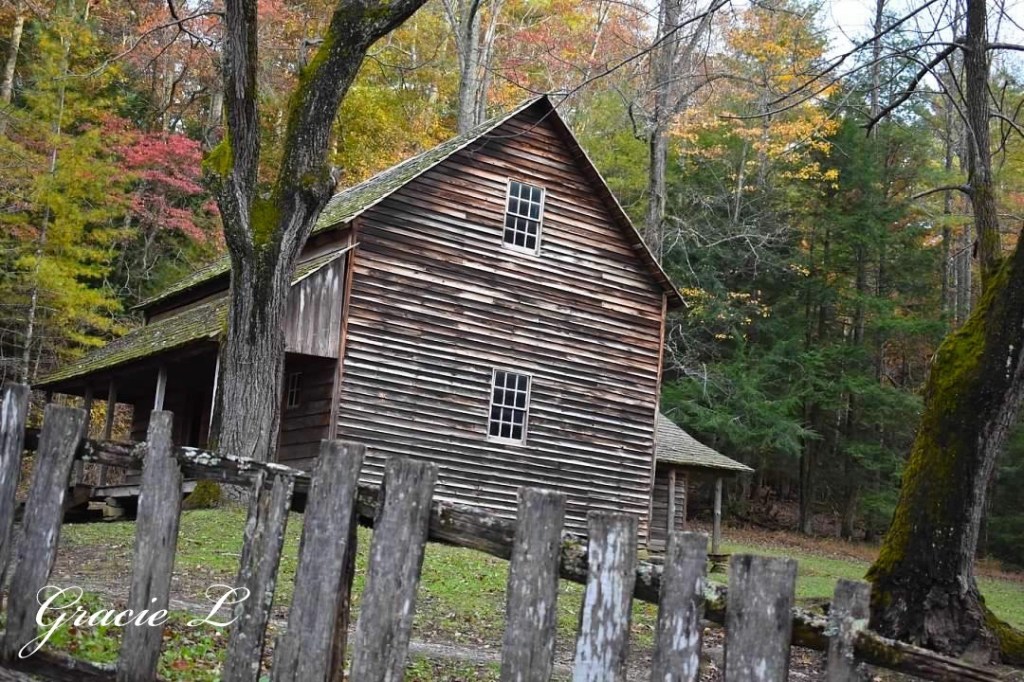
    William sold his land to his friends and family members including his grandson who built the two-story cabin which can still be seen today. The cabin was built in the 1870’s.

    Hamp Tipton’s daughters Lucy and Lizzie lived inside of the cove until they reached adulthood and were schoolteachers.

    In 1878, the home was rented to James McCaulley, and he built his own homestead that included a blacksmith shop and a carpentry shop.

    In 1895, Hamp Tipton passed away and his estate was sold to Reverend William H. Oliver. The Oliver family remained on the homestead until Cades Cove was purchased by the National Park Service.

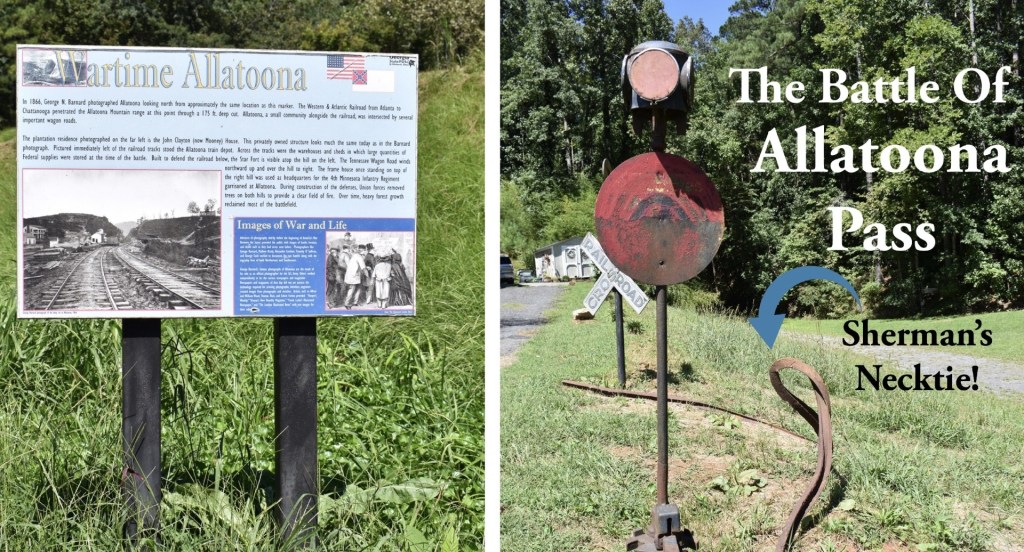
  • Georgia’s Sherman Neckties: A Burning Civil War Tactic!

    Sherman’s Necktie was a way of railway-destruction that was used by General William Tecumseh Sherman during the Civil War.

    General Sherman was responsible for the “March To Sea” all the way to Savannah and the burning of Atlanta, Georgia.

    To this day, you can still see Sherman Railroad Neckties in the state of Georgia.

    The neckties were formed when Union Troops heated railway rails until they were able to be bent.

    After the Union Troops heated the rails, they would take the rail and wrap it around a tree and bend it around into a necktie or loop if you will.

    Surprising enough though, General Sherman did order destruction during the “Atlanta Campaign”.

    However he did not order the destruction of the railroad ties. This is what he said.

    “In case of the sounds of serious battle Major-General Mcpherson will close in on General Schofield but otherwise will keep every man of his command at work in destroying the railroad by tearing up track, burning the ties and iron, and twisting the bars when hot. Officers should be instructed that bars simply bent may be used again, but when red hot they are twisted out of line they cannot be used again. Pile the ties into shape for a bonfire, put the rails across and when red hot in the middle, let a man at each end twist the bar so that its surface becomes spiral.”

    Wm. T Sherman, Special Field Orders, July 18, 1864

    Three days after this letter from Sherman was sent only 1 railroad remained intact into Atlanta but there was something that the Union forgot.

    The Confederates gained knowledge of what the Union was doing and returned the favor by using the same tactics against Sherman’s supply line, the Western and Atlantic Railroad from Chattanooga, Tennessee to Atlanta, Georgia in the early days of the Franklin-Nashville Campaign in late 1864.

    The Confederate recalled their twisted ties as “Old Mrs. Lincoln’s Hair Pins.”

    So, the next time that you come across a twisted railroad tie, it could be one of Sherman’s Neckties or one of “Old Mrs. Lincoln’s Hair Pins.”

  • This Cabin in Cades Cove Was Sponsored by Log Cabin Syrup!

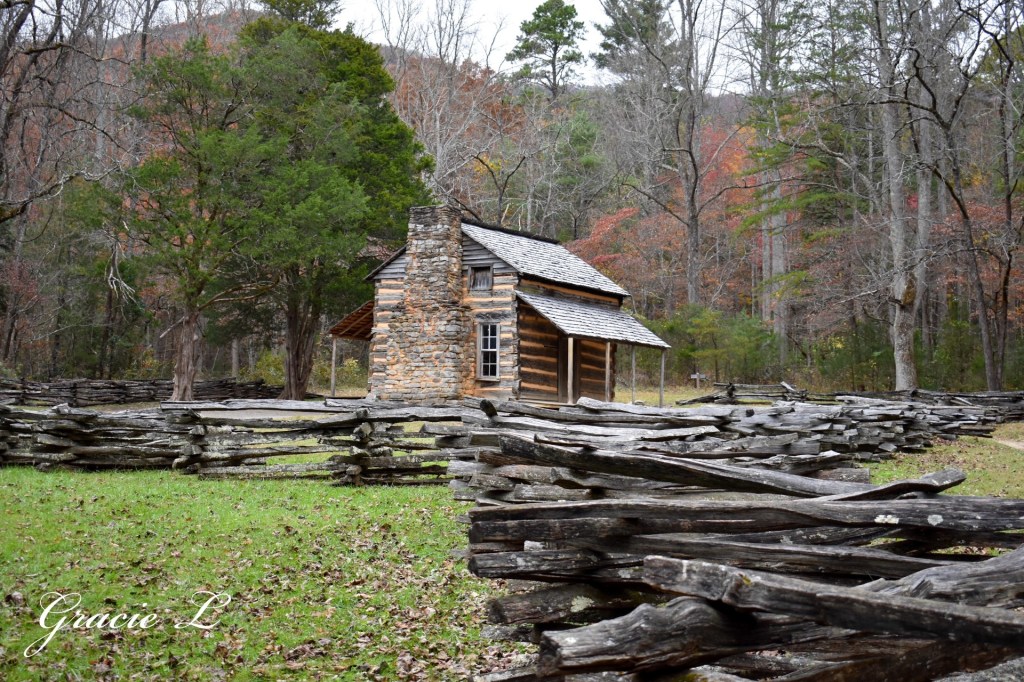
    Cades Cove is home to lots of incredible sights from the scenery to the wildlife all the way to the historic cabins and homeplaces. One of many cabins that visitors can visit while driving through is John Olivers Cabin which is the first cabin and homeplace on the loop.

    The exhibit was made possible by a grant from the company Aurora Foods, which are the makers of Log Cabin Syrup.

    John Oliver’s Cabin is one of the oldest cabins in The Great Smoky Mountains National Park. The exact year that the cabin was built is unknown, but it was built in the early 1820’s.

    The Oliver’s were some of the first Euro-Americans to settle inside Cades Cove. The John and Lucretia Oliver arrived in Cades Cove in 1818.

    The cabin was built with surprisingly no nails or pegs but instead was built with the help of gravity. The Oliver’s used notched corners to make the cabin stand upright. This helped to weatherproof the cabin since they could place chinking materials between the cabin’s wooden slats. Each of the cabin’s 3,000 shakes (wooden shingles) were made by hand and the doors to the cabin were built small to help conserve the heat and to minimize having to cut the structural logs.

    Members of the Oliver family lived here in the Cove for centuries until the land was sold to the government for the National Park.

    To this day millions of visitors of the Great Smoky Mountains National Park and visitors of Cades Cove can truly appreciate and admire the hard work that John and the Olivers put into this cabin and the next time you put that delicious Log Cabin Syrup on your pancakes be sure to remember their generosity for giving their grant for John Oliver’s Cabin!

  • When Will Migrating, Hummingbirds Arrive Back to Tennessee!

    With us welcoming the year 2025 in the great state of Tennessee it is safe to say the Spring is on its way and so are the hummingbirds!

    You will see more hummingbirds during the mid-Summer when baby hummingbirds begin to fledge and during the Fall when they are preparing to migrate back South for the Winter. It is still very important though to welcome our feather friends back with some fresh sweet nectar this Spring!

    So when will our feathered friends arrive back to the volunteer state? Tennessee should welcome its earliest arrivals by late March. However, even though they are returning this early you may not see them right away. It may take around two more weeks for you to see the first hummingbird.

    The migrating hummingbirds will continue to return and travel through the state of Tennessee until around mid-May.

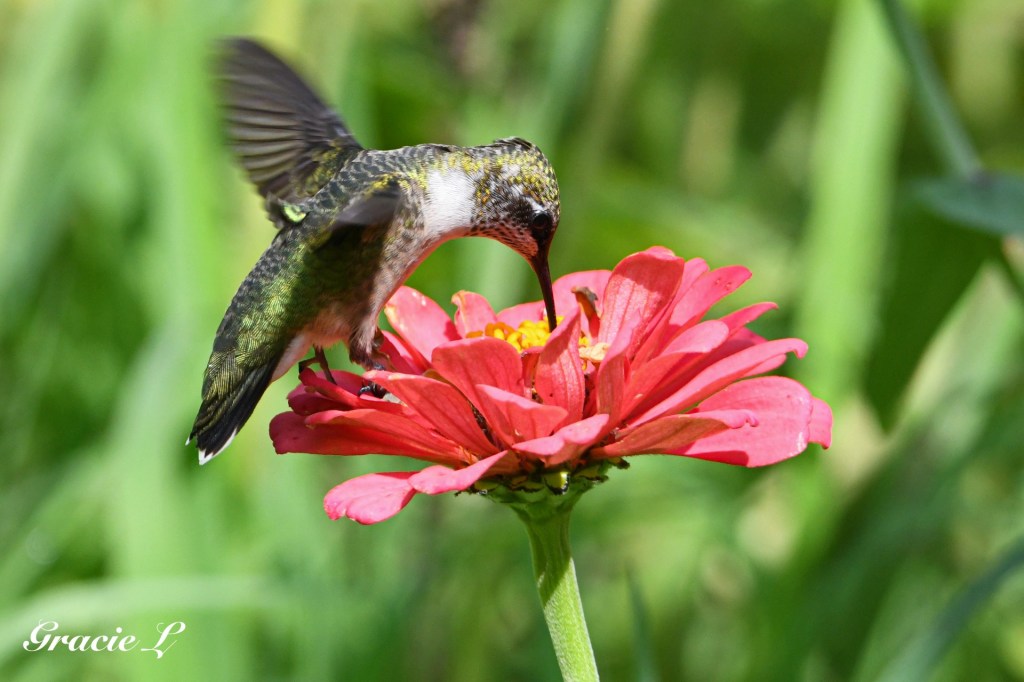
    From early May to July, the hummingbirds will be busy raising their young. Ruby-Throated Hummingbird pairs may reuse their nest from last year’s breeding season or build a new nest.

    Female hummingbirds will begin to lay their eggs in the first of May through the second half of the month.

    By the end of May, hummingbird nests will be filled with darling baby hummingbirds!

    The babies will remain in the nest until they are around 2 weeks old. Then they will begin to appear outside of the nest by mid-June.

    During the nesting season you may see less activity from the hummingbirds but do not fear as they are just truly too busy with their young to visit the feeder. However, always keep your feeders stocked during this time because the hummingbirds depend on this nectar to care for their young.

  • Look Out for These Beautiful Wildflowers This Spring!

    With Spring only less than 5 weeks away, the Appalachian Forest floor is fixing to be covered with the most beautiful wildflowers and blooms.

    Wildflowers will start their blooming season in mid-March to early April. The colors will range from blues to yellows all the way to pinks and purples. Nature’s colors and shapes are truly endless when it comes to wildflowers!

    Some of your most common flowers you will spot in the mountains will include Bloodroot, Dwarf Violet Iris, Bird’s Foot Violet, Confederate Violets, Sweet White Violets, Common Blue Violets, Wood Violets, Halberd-Leaved Violets, Wood Anemone, Canadian Wood Betony, Toadshade Trillium, Catesby’s Trillium, Sweet White Trillium, Yellow Trillium, Rue Anemone, Purple Phacelia, Wild Geraniums, Orange Jewelweed (Spotted Touch-Me-Not), Red Cardinal Flowers and Blue Cardinal Flowers.

    Bloodroot one of the flowers I just mentioned before is an herb native to the Appalachians. It has many amazing factors to health including helping inflammation, coughing, growth of new blood vessels, infections and for cancer treatment as well. Native Americans used Bloodroot as a dye, love charm, pain relief, fever relief, a medicine, gangrene and for wound infections.

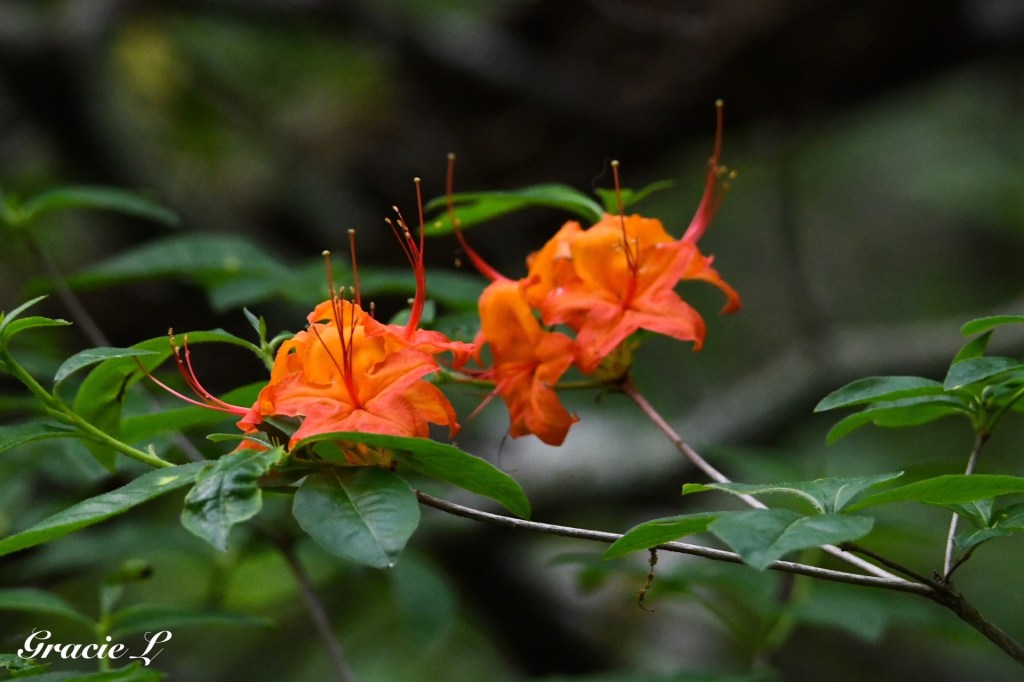
    Each and every wildflower has a special meaning to being here but not all flowers are safe to consume or eat or to even touch! “Cow Itch” as us Southerners call it has some of the most beautiful orange wildflowers that you have ever seen but by touching this flower you will be covered in an itchy rash for one to two weeks.

    With all of this being said it’s always a good idea to have a flower identification book with you or just don’t touch the flower until you have identified it.

    However, when in Federal or State areas like State Parks and National Parks it is always a good idea to never pick any flower good or bad due to it being a federal offense that can result in a fine. Many animals like the Honeybee depend on these flowers to collect nectar to produce honey for their hive.

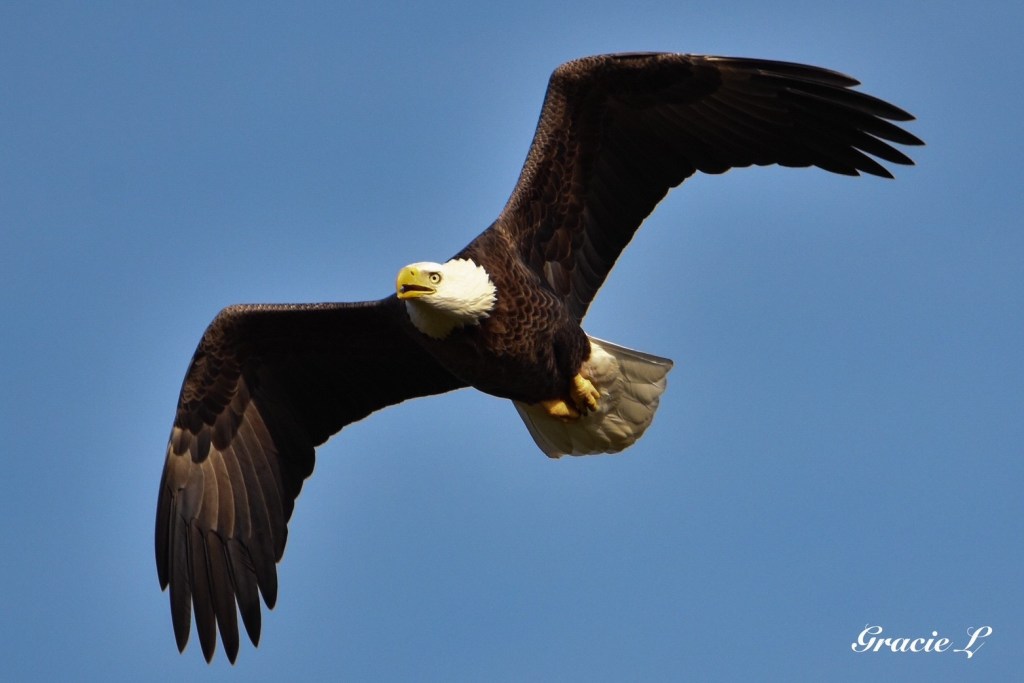
  • Bald Eagles Are Making a Record Comeback

    In 1995, The U.S. Fish and Wildlife Service downlisted the Bald Eagle to threatened and in 1999 proposed the species to be taken of the Endangered Species List. In 2007 the Bald Eagle was officially removed from the federal list of threatened and endangered species.

    However, in Georgia, Bald Eagles are still considered to be a threatened species through the Georgia Endangered Wildlife Act but are making record nesting comebacks each year! In 2007, Georgia only had 100 occupied nesting sites in the entire state. Now that number has doubled to over 200 hundred occupied nests in the state and over 227 Eaglets hatched and fledged just last year!

    DNR (The Department of Wildlife Resources) monitors each nest by helicopter at least twice a year to check up on the Eagles and make sure that the nests are healthy and active. They use binoculars to get a close sight on the nest without having to get too close or disturb its occupants. They visit the nests once in the month of January to determine occupancy and again in March and April to check on the Eaglets.

    Bald Eagles are protected by The Bald and Golden Eagle Act so any interference of their nest, eggs or feathers can and will result in jail time and a fine up to $100,000 and up to $200,000 for organizations.


    It is extremely important to alert your local Department of Wildlife Resources if you spot a Bald Eagles nest not only for research purposes but to also protect the nest and its occupants as each nest is truly important on the survival of the species.

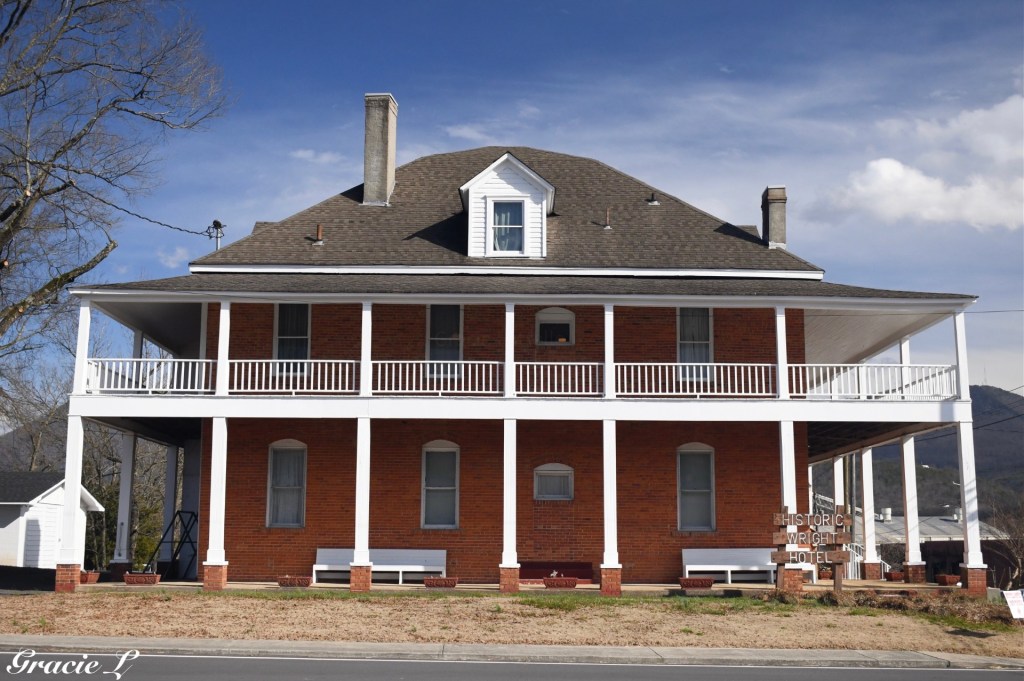
  • The Historic Wright Hotel in Chatsworth, Georgia

    Located on East Market Street in the center of this beautiful small Appalachian town of Chatsworth, the historic Wright Hotel has seen more history than ever can be imagined.

    The Wright Hotel was built in 1909 by Thomas Monroe Wright, a farmer living in the southern part of the county to provide a home for his family and to provide a spa for visitors coming to Chatsworth in the Summer months to drink the mineral waters.

    Mr. Wright was the builder, architect and overseer of the hotel. With the help of his cousin, Thomas Banks from Clevland, Tennessee, his wife Laura Holbrook and their children Jesse, Obb, Essie, Kate, Jeannie May and J.L, Mr. Wright constructed this 3-story hotel and his family’s home.

    Another child, Glenn was actually born in the hotel.

    Mr. Wright rented the Chatsworth brick plant to construct the soft rose bricks to build the hotel. All the heart pine lumber that was needed for the hotel was harvested from the Wright Farm in Prune, Georgia on Holly Creek and was aged for a year. The floors are made tongue and groove while the walls are made of wooden lattice and plaster.

    Mr. Wright and his cousin Mr. Banks wanted the hotel to have a sturdy foundation so the two decided to place the hotel on a ten-foot foundation which mostly sits underground.

    After the hotel was built and opened in 1909, guests from all around came for visits including, Hoke Smith former Governor of Georgia, Congressman Gordon Lee and J. Frazier Glenn who helped build talc mines into a multi-million-dollar industry.

    On some occasions the Wright Hotel opens for visitors to tour the 22-room hotel including the rooms that the guests stayed in, the dining room, the kitchen, laundry room, the nursing room which displays some of Mr. Wright’s daughter Kate’s paraphernalia while working as a nurse, and even the living room.

    The home also has on display many historic artifacts including several Native American artifacts from which Kate and her husband collected during their years of working with Southwest Indians. They also have on display the original program to the movie Gone With The Wind and a sword from World War l.

    No matter if you are a history lover or just love to learn about your heritage, the Wright Hotel truly has something for everyone!

  • Some of The Funniest Southern Sayings!

    Here is some of the common southern phrases that you will only hear here in the South. I hope you enjoy! Comment your favorite southern phrase!

    Photo by Mikhael Mayim on Pexels.com

    “She has her nose so high up in the air she could drown in a rainstorm!”

    “That man is just too big for his britches!”

    “Her pants were so tight I could see her religion!”

    “He’s pitching a hissy fit!”

    “She’s stuck up higher than a light pole”

    “Well butter my butt and call me a biscuit!”

    “Bless your heart!” For reference can be used sarcastically or truthfully.

    “Just hold your horses!”

    “He thinks the sun comes up just to here him crow!”

    “Quit Being Ugly!” Another words “Quit being so mean!”

    “She’s pitching a hissy fit!”

    “He’s three sheets to the wind!”

    “She’s madder than an ole wet hen!”

    “He’s as happy as a dead pig in the sunshine!”

    “If you don’t hush I am gonna tan your hide!”

    “She’s sweatin’ like a floosie in church!”

    “I am bleedin’ like a stuck pig!”

    “As the crows fly!”

    “That dog won’t hunt.”

    “Just hush!”

    “He could eat corn through a picket fence!”

    “I reckon so.”

    “He is drunk as Cooter Brown.”

    “Were living in high cotton!”

    “That picture is cattywampus”

    “Over yonder there is a hill.”

    “It’s blowin’ up a storm.”

    “That doesn’t make a hill of beans difference.”

    “Good Lord’s willing and the creek don’t rise”

    “It is raining cats and dogs out there.”

    “I am full as a tick.”

    “Gimme some sugar.”

    “I am about to fly off of the handle.”

    “Well that is the pot calling the kettle black.”

    “Aren’t you precious?!”

    “I am worn slap out.”