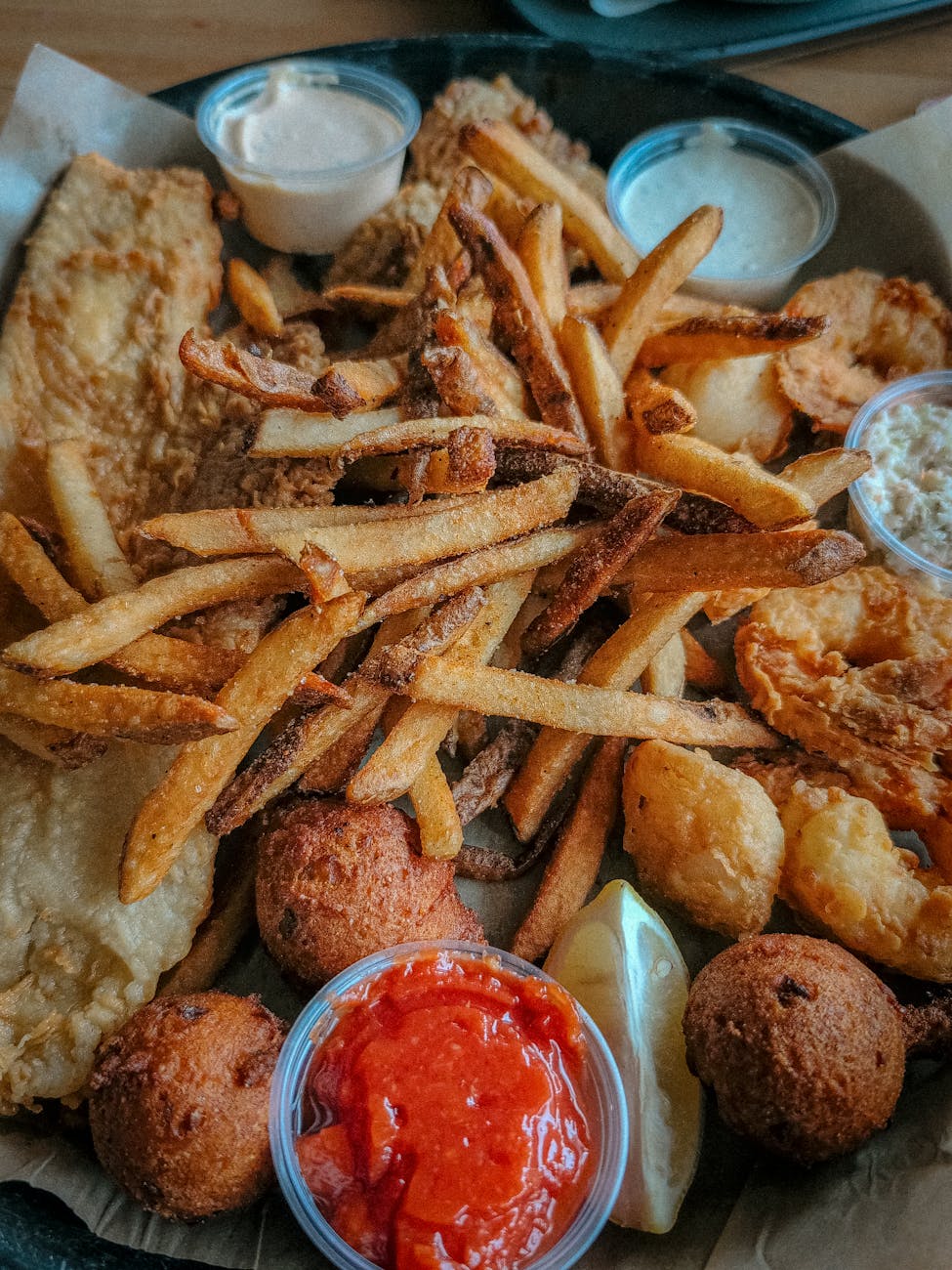
This is my family’s simple and easy southern hushpuppy recipe! The recipe is super simple, and it doesn’t get much more southern than these deep-fried hushpuppies!
In a deepfryer, begin bringing your oil up to temperature until the oil reaches 350 degrees.
In a bowl, mix 1/2 cups of corn meal mix along with 1/4 cup of flour, 1/4 cup of onions and 1/2 cup of milk. Stir the mixture well until the hushpuppy batter becomes thick enough to hold shape in a metal spoon. If needed you can add more milk to the mixture and stir again.
Once you have the hushpuppy batter mixed together and your oil has came up to temperature and reached 350 degrees, using a metal or wooden spoon, spoon the hushpuppies out of the bowl and drop them gently into the hot oil in the deepfryer.
Turn the hushpuppies over gently every few seconds and cook them until the hushpuppies surface the top of the oil and have became golden brown.
Once the hushpuppies are fully cooked and golden brown, remove the hushpuppies out of the oil and place them on a paper towel covered plate and let the excess oil drain off of the hushpuppies.
These hushpuppies are great served along with fried fish or even fried chicken and if you ask me hushpuppies are served great at any time even just for a snack!
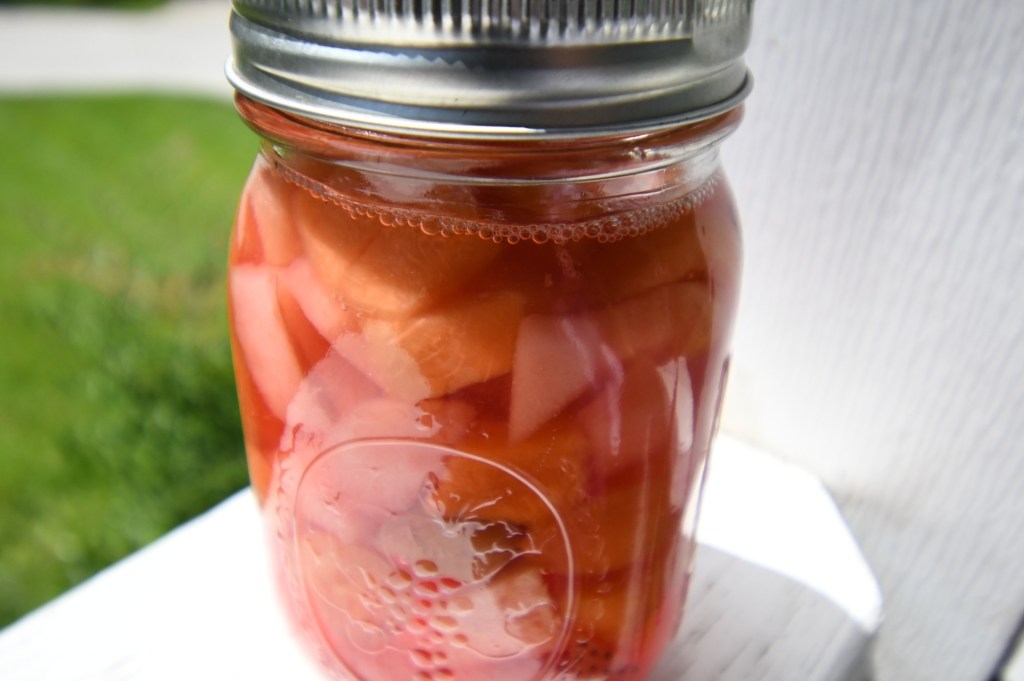
Even though Fall is just around the corner, Summer isn’t over just yet and neither is the summer dishes! Here is one of my family’s personal favorites, Fruit Cocktail!
Ingredients
2 Cups of Water
1 1/4 Cups of Sugar
4 Cups of Peaches (Diced)
3 Cups of Pears (Diced)
2 Cups of Apples (Diced)
2 Cups of Green Grapes
1 Cup of Maraschino Cherries
Directions
Prepare bubble bath canner and begin to heat on the stove but be sure that the canning water is (NOT) at a rolling boil or else that could cause your jars to break. It’s always a good rule of thumb for your canner water to be as hot as your fruit mixture inside the jar is.
In a seperate kettle, combine water and sugar, stir and bring to a boil.
After the water begins to boil, add all of your fruit except for the cherries inside the kettle and boil for 5 minutes. After 5 minutes is up, remove the fruit cocktail and sugar water mixture from the heat and add the Marachino Cherries.
Place your lids into a small kettle about halfway full of water on the stove and heat the lids on low. This helps to make sure that the lids are warm once they make contact with the jars and helps them to seal.
Ladle into jars and wipe the rims with a damp paper towel. Place lids and rings on the jars and secure rings finger tight.
Place into bubble bath canner and boil for 20 minutes.
Did you know that the maker provides nature with its own fertilizer?
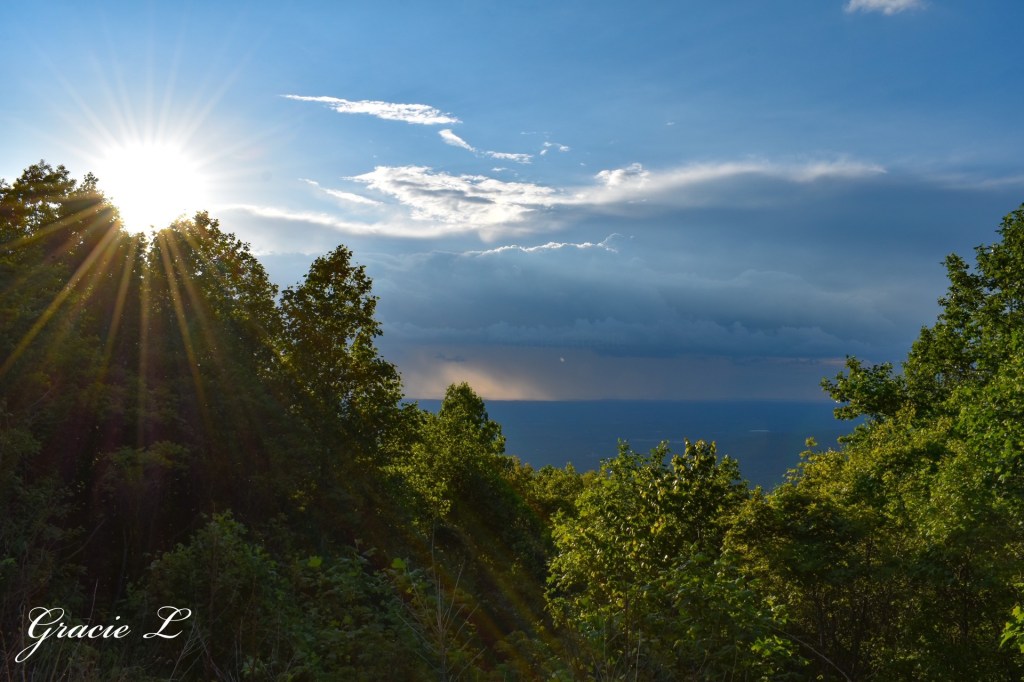
Have you ever wondered why everything is so green and vibrant after a thunderstorm? We have beautiful trees and grasses and wildflowers around the world that no one ever fertilizes. How do they grow and get so beautiful without the help of commercial fertilizer?
Thunderstorms particularly lightning helps provide natural fertilizer for our growing plants but how does it work?
When lightning is striking through the air, the air is full of nitrogen, but the plants cannot just absorb the nitrogen from the air and have to have a little bit of assistance. This is where the rain comes into effect. The rain puts the nitrogen directly into the soil. For example, when you spread fertilizer in a bag around your garden and plants, if it does not rain or if the soil is not watered the soil will not absorb the fertilizer.
During a lightning strike, the electrical energy is in so much of an abundance that it separates the nitrogen atoms in the air. After the lightning breaks the atoms apart, the rain dilutes the nitrogen and the rain carries the nitrogen to the ground.
The plant then collects the rain on its leaves and through the ground into its roots and is then absorbed into the plant. This natural fertilizer after absorbed by the plant then turns the plant green.
This is why gardens, flower beds, hanging baskets, trees, and etc. look so green after a thunderstorm.
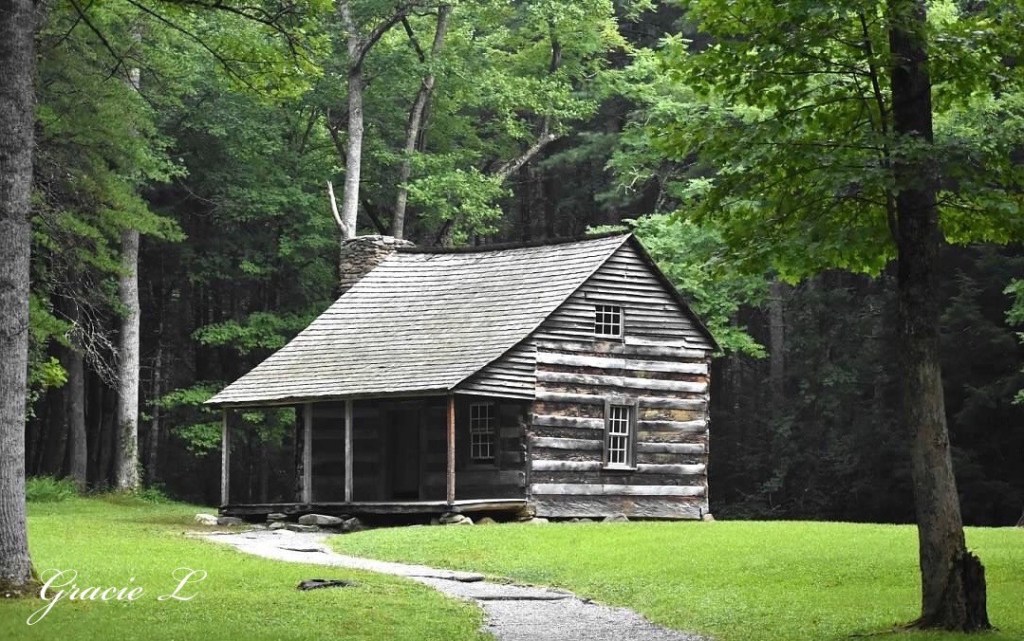
Will Sparks built the Shields cabin around 1880. Little did Mr. Sparks know that the cabin he built would still be standing over 150 years later and would be considered one of the most photographed structures inside of the Great Smoky Mountains National Park.
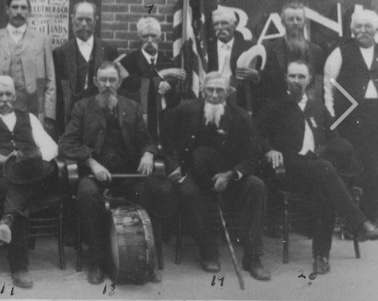
Carter Shields in the middle front row. Image credit unknown
The cabin is a one-room structure with a fireplace and a staircase leading to the cabin’s loft.
Over the years many expansions were added to the cabin to accommodate the growing families that lived inside of the cabin. A barn and other building were also added onto the homestead including a chicken coop, cellar and garden.
George W. “Carter” Shields was one of the many owners that called this cabin home. Carter fought in the Union Army during the Civil War and was later injured. His injury impacted the rest of his life on Earth, but he overcame it and shortly after the war he married his wife Lina Gregory and moved from the Cove to Kansas.
They returned in 1910 to the property and remained inside of the Cove until the National Park Service acquired the property.
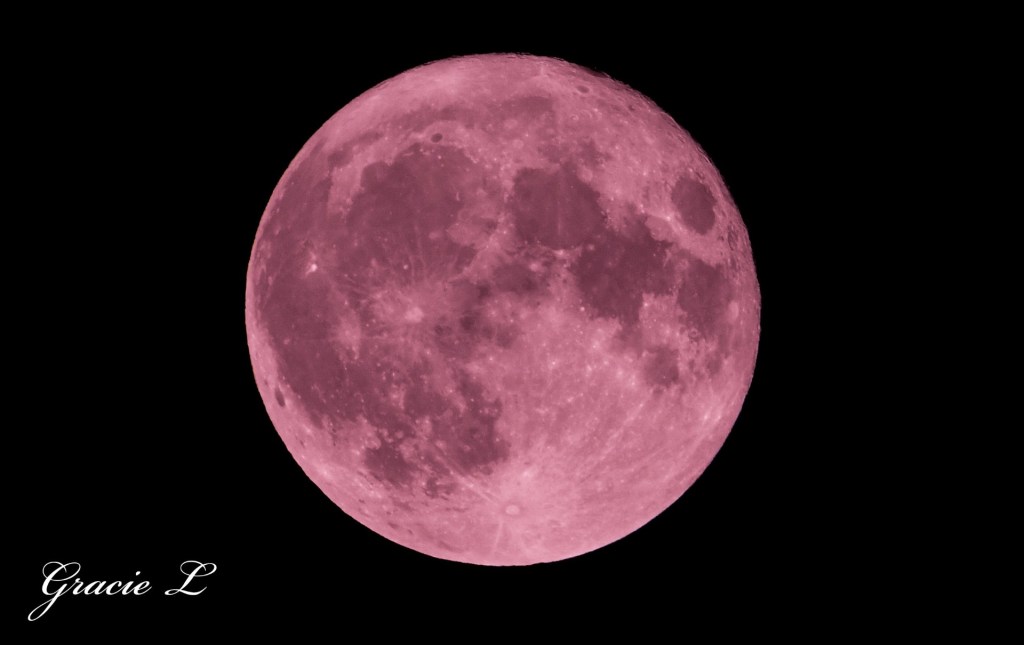
It’s that time of the year again everyone! The April’s Pink Moon is here!
The Pink Moon is set to reach its full peak illumination and its brightest point at around 8:22p.m. EDT. Saturday night.
However, if you are busy that night or don’t have time to view don’t worry as the full moon will be visible on April 13th as well.
So, is the “Pink Moon” actually really pink? Not exactly where I’m from but I have had several people from all around United States say that the moon did have a pink tint, so I guess that it is just according to where you live at.
So how did the “Pink Moon” get it’s name?
Unlike what we would all probably think that the moon gets its name from being pink, that is not the case. The moon is actually referred to as “pink moon” due to a special type of pink wildflower that is native to Eastern North America during the month of April. This plant that I am referring to is called “Creeping Phlox” or “Moss Phlox”. The phlox also goes by the name “Moss Pink”.
However, not everyone refers to this moon as the Pink Moon! Some native american tribes like the Algonquin tribe refer to this moon as the “Breaking Ice Moon” and others like the Dakota tribe refer to this moon as the “Moon When the Streams Are Again Navigable”.
Both of the names refer to the moon around the time of the season that ice begins to melt and increasing the mobility of the early beginnings of the Spring season!
Nestled deep in the North Georgia mountains on the South Caroline and Georgia state line, just northeast of Athens and just South of Toccoa lies a very interesting county. I’m talking about Hart County.
Image by National Geographic
Hart County is named after a woman by the name of Nancy Hart. Nancy Ann Morgan was born around 1747 and is a Revolutionary War hero. The neighboring native Americans had great respect for Nancy and even referred to her as “War Woman” or “Wahatchee” in Cherokee.
She married a man by the name of Benjamin Hart and together in 1771, they obtained a 400-acre land grant 25 miles southeast of Hartwell and they built a log cabin home.
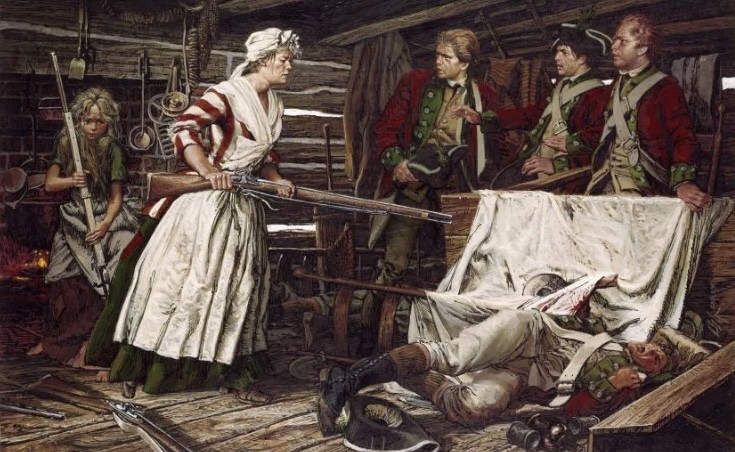
Legend states that Nancy served as a spy for General Elijah Clarke and occasionally even disguised herself as a man. The most famous story about Nancy occurred during the Revolutionary War when 7 British soldiers arrived at her cabin near Wahatchie Creek. Her normal hostility toward the British was replaced that day by a cordial manner and she even offered the soldiers a meal. Meanwhile, while she was doing this, she sent her daughter to the spring for water and she sent her with a conch shell to blow which would signal a summoning for help.
The British soldiers began to drink, while Nancy kept a good eye on them and their muskets that were carelessly stacked in the corner.
Nancy managed to sneak two of the muskets into a space in the wall but by the time she got to the other muskets she had been caught by the British. One of the British soldiers ran after her but she was an expert marksman and dropped him to the floor another British soldier followed and she shot and injured him. The rest of the soldiers remained from provoking Nancy. Maybe it was the fact the she was 6 feet tall and red headed or maybe it was the fact that she was armed and they weren’t. Either way Nancy kept them contained while she waited on her husband and his friends to arrive.
Although this was said to be a legend, after a work crew building the railroad unearthened the truth, it is safe to say that this was not in fact a legend but in fact the truth!
Nancy worked tirelessly on helping her newborn country doing so many things, from tying logs up with grapevines to be able to cross the Savannah River to collect the badly needed information to even dressing up as a man and protending that she was crazy just to get into the British Camp and to collect vital information on the British troop movements.
Nancy was even related to Daniel Boone and Colonel John Dooley
The natives even named the creek that ran by her home “Wahatchee” after Nancy which is now apart of the Georgia State Park Nancy Hart State Park and the replica cabin can be seen today and the original stones from the chimney of the original were used in the remaking of the cabin as well.
The representation of Nancy Hart may be seen on the Hart County Seal. The seal was designed by Robert W. Knowles and was adopted as the official seal on May 8, 1990.
After the war, an amnesty bill restored citizenship to Confederate leaders in 1876, but it specifically excluded Confederate President Jefferson Davis. Confederate President Davis refused to fight the decision.
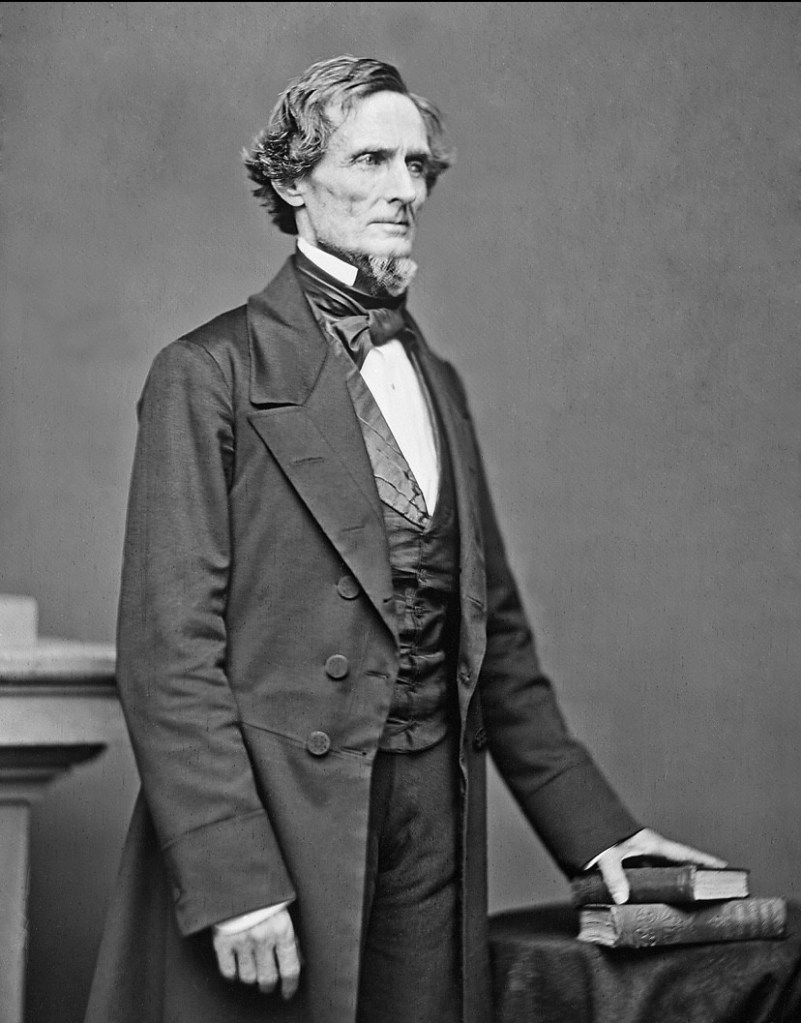
Portrait of Jefferson Davis by Matthew Benjamin Brady
When asked by the Mississippi Legislature, Jefferson stated “It has been said that I should apply to the United States for a pardon. But repentance must precede the right of pardon, and I have not repented”. He later also added that “If it were all to do over again, I would again do just as I did in 1861.”
Confederate President Jefferson Davis remained without a United States citizenship for more than a century until Georgia native and United States President Jimmy Carter signed a measure passed by the U.S. Congress in Washington D.C. that restored American citizenship to Confederate President Davis on October 17th, 1978.
This is my granny’s deviled egg recipe! She has served this many years, but she most commonly serves them during the holiday seasons of Christmas, Easter and Thanksgiving.
Bring a kettle filled with water to a boil on your stove. While your kettle is heating up, wash your eggs off. Once the water is at a boil add your eggs into the water.
Boil the eggs in the water for 15 minutes. After 15 minutes are up, turn the heat off and let the eggs set in the kettle of water for 15 more minutes.
Once 15 minutes are up, drain the hot water out of the kettle and add cold water and ice into the kettle with the eggs. Let them set for 5 minutes in the ice bath then peel the egg shells off of the whole eggs.
Slice the eggs in half and scoop the yolks out of the eggs and add them into a separate bowl.
Once you have removed all of the yolks and added them into a bowl. Mash the yolks in the bowl and add your mayonaise, salt and pepper. Stir well.
Fill the egg whites back up with the filling where you removed the yolks. Note: You can use a piping bag for this process if you would like.
Garnish the deviled eggs with a sprinkle of paprika and store the eggs covered in the refrigerator.
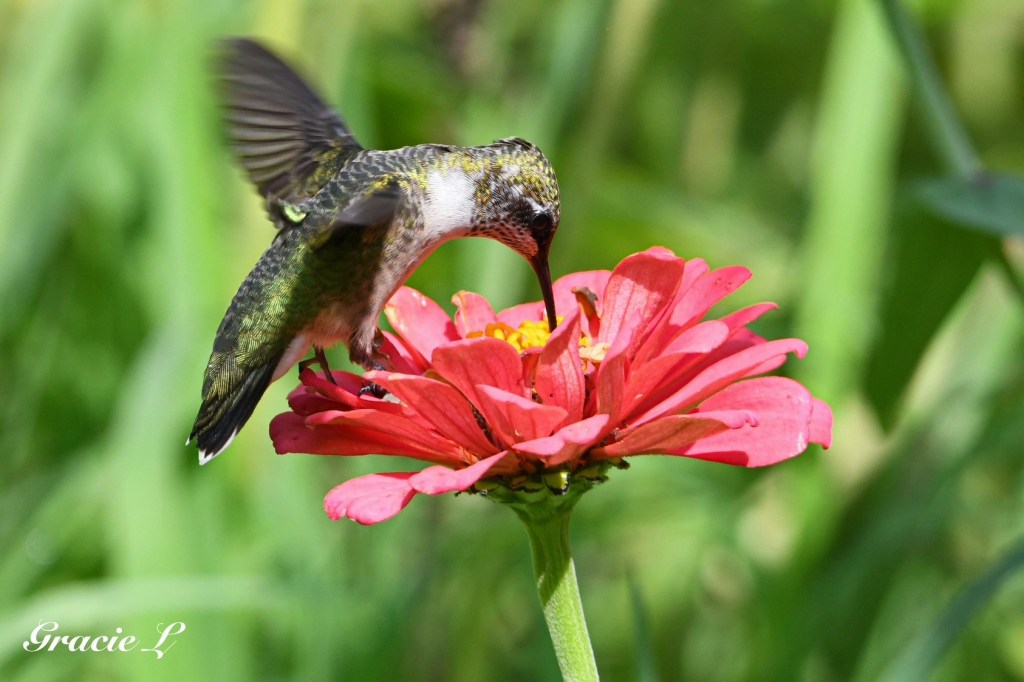
These beautiful birds have so many incredible talents and if I truly wrote all of them down this article would be forever long, so I decided to just write five of the many amazing things that these birds are capable of doing!
Ruby Throated Hummingbirds Can Travel Up To 25 MPH!
Ruby Throated Hummingbirds can travel up to 25 miles per hour and can zoom even faster when the wind pushes them! Their speed is the average speed of a school zone!
2. A Hummingbird Can Flap Its Wings Over 53 Times Per Second!
An average hummingbird can flap its wings over 53 times per second and that totals at over 3,180 flaps per second.
3. We Have a Fast Heart Rate!
A Ruby-Throated Hummingbird’s heartbeat can race at over 1,200 beats per minute! It truly just depends on the activity that the hummingbird is doing!
4. Only the Males Have a Red Neck!
Only the males have a red feather throat patch called a (gorget) on the neck while the females do not have a red patch on the neck and only have white feathers. However, around the outer edges of the males red throat patch is lined with velvet black feathers!
5. We Live in A Thimble Sized House!
Have you ever wondered how large a hummingbird’s nest truly is? If you have a sewing kit which includes a thimble you are now holding an object that is the exact same size as a hummingbird nest! How amazing is that?
I hope you all enjoyed these incredible facts about our feathered friends! Have a great day!
Have you ever had those pesky insects get all over your fresh produce including your vegetables and fruits? Well did you know that there are actually flowers that you can plant that deters insects?
It’s true! Some flowers are a natural deterrent to some insects which helps to keep your garden pest free!
Marigolds for instance is one of the popular deterring flowers. The scent on the flower (and trust me they do have a scent!) keeps insect pest like mosquitoes, snails and nematodes like cabbage worms tomato horn worms, squash bugs and many more!
Not only do they deter the bad insects, but they also attract the beneficial insects that will attack and kill the aphids which are eating your garden so, Marigolds are very beneficial to your garden!
Another popular plant/flower used to deter insects is Lavender. Not only is it personally one of my favorites natural fragrances but it helps to repel fleas, mosquitoes, moths and flies!
Chrysanthemums is another favorite pest deterring flower and are sometimes used for a flower border around the house as the flower prevents fleas, lice, ants, roaches, Japanese beetles, ticks, spider mites and bedbugs as this flower naturally contains an insecticide called pyrethrin.
Petunias are a favorite among the garden as these flowers repel leafhoppers, tomato hornworms, squash bugs and aphids!
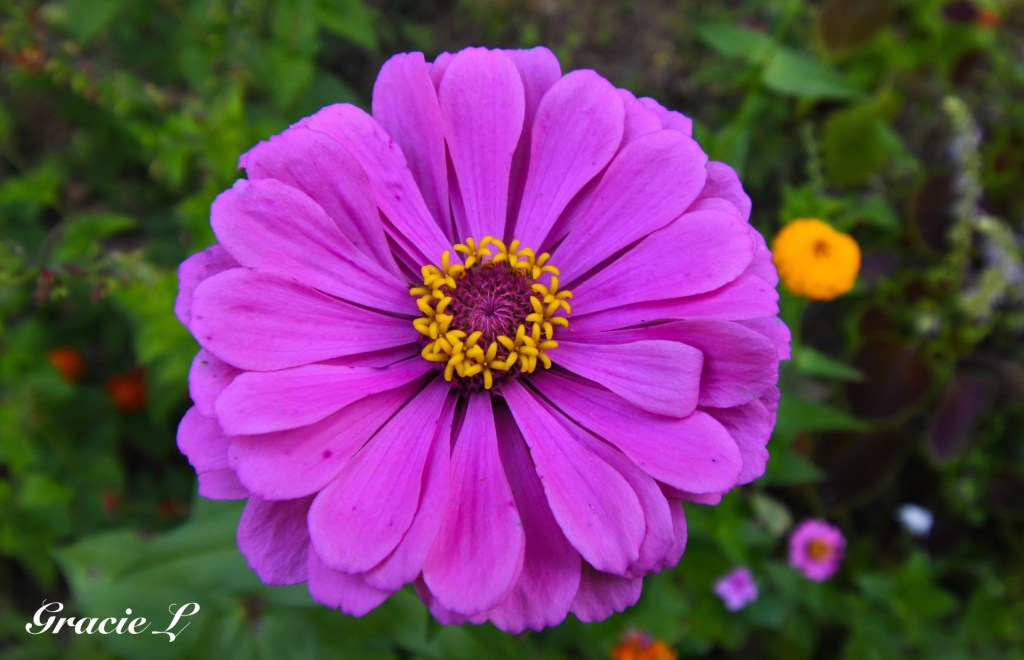
Zinnias are also a flower that helps to deter bugs like cutworms, squash bugs, cabbage worms and ants from the garden as well! Zinnias also just like the Marigolds help lure predator insects into the garden which in turn gets rid of the insects that are eating your garden!
However, if you decide to add a little bit of Italian to your garden. Try planting Basil as it also helps to deter mosquitoes (as you can probably tell we have a mosquito infestation here in the South!), flies and moths. Garden Tip, while working in the garden, crush Basil leaves and rub them onto your skin. This will help to keep mosquitoes away!
Thyme is also another great deterring plant as it helps to keep the mosquitoes away especially in dry rocky areas of your garden!
Mint is also used to deter pests like mosquitoes but just be sure to note that Mint spreads very fast so it’s always a good idea to plant it in a pot and then place it in your garden!
Another favorite among gardening pest preventing plants is Lemongrass! The plant is packed with something called citronella which is known to be a safer component to repellents like DEET. The plant’s odor is actually so strong that it either repels or kills mosquitoes in the area but if you decide to place the Lemongrass onto your skin all you have to do is crush the leaves like you do Basil and rub them onto your skin.
Chives is another favorite among the bug deterring family and is known to deter plants like cabbage worms, aphids, slugs and carrot flies as all these bugs hate the smell of Chives.

 Gracie Latrelle