Tag: adventure

  • Georgia Was First Settled by Criminals!

    Did you know that the state of Georgia was first settled by criminals?

    The settlement of Georgia began with James Oglethorpe; a British soldier whose mission was to help the prisoners who were being treated poorly by the British prison system.

    Photo by KATRIN BOLOVTSOVA on Pexels.com

    Oglethorpe was a Parliament member and a humanitarian. He worked tirelessly to help the prisoners especially those who were imprisoned on minor charges for instance like imprisonment of unpaid dept and with his position in the British Parliament, it gave him the access to men to fund a debtor’s colony in the New World and after three years King George II approved it which would become the 13th colony of Georgia.

    However, Oglethorpe’s mission was put on hold when the King George stipulated that the colony must make money and return it back to the crown. Oglethorpe then gathered 114 men, women and children and set sail for the new colony of Georgia.

    The first of Oglethorpe’s ships landed in Georgia in 1732 and by February of 1733, Oglethorpe had friended the local natives and negotiated a land plot near Savannah Georgia to settle.

    Back in Britian before sailing for the new land, the colonists were gifted with cotton seeds which became the main crop of the colony of Georgia and still is one of the main crops of the state of Georgia today.

    After arriving in the new colony, Britain then sent over 60,000 men, women and children who were considered ex-convicts but only a few were sent to Georgia. The rest were sent to Maryland and Virginia to settle.

    Although Oglethorpe never reached his goal of making Georgia a dept free colony, but he did want to be certain that everyone who settled in the colony had an equal chance of becoming a prosperous citizen.

    Although, Oglethorpe never succeeded on making Georgia a place where the colonists could do for themselves, colonize and learn to trade, he did succeed on founding the colony now the state of Georgia.
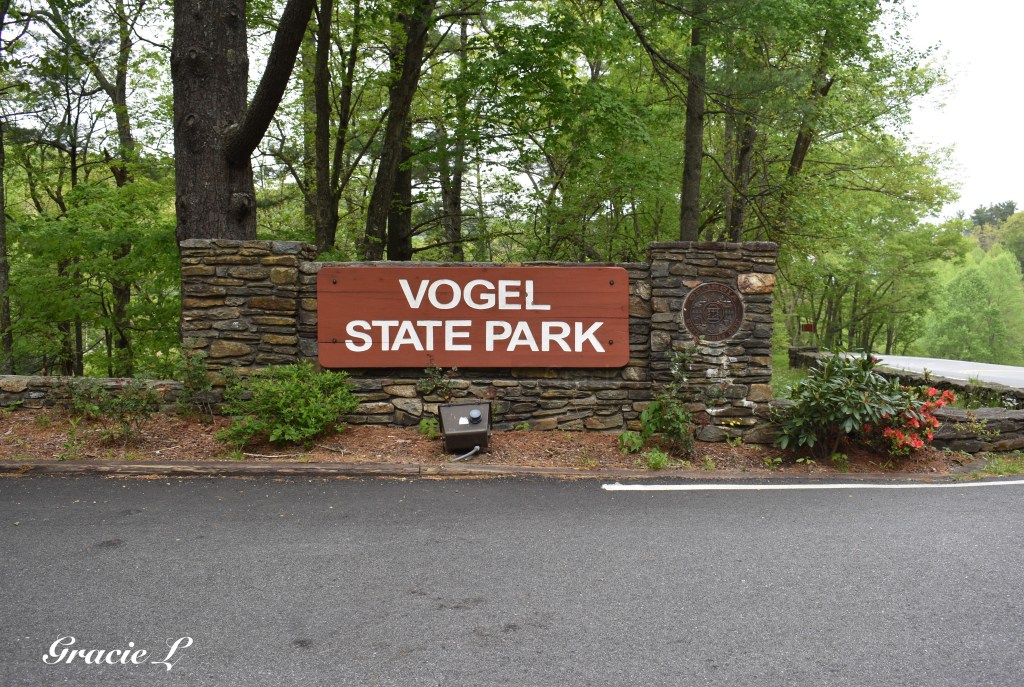
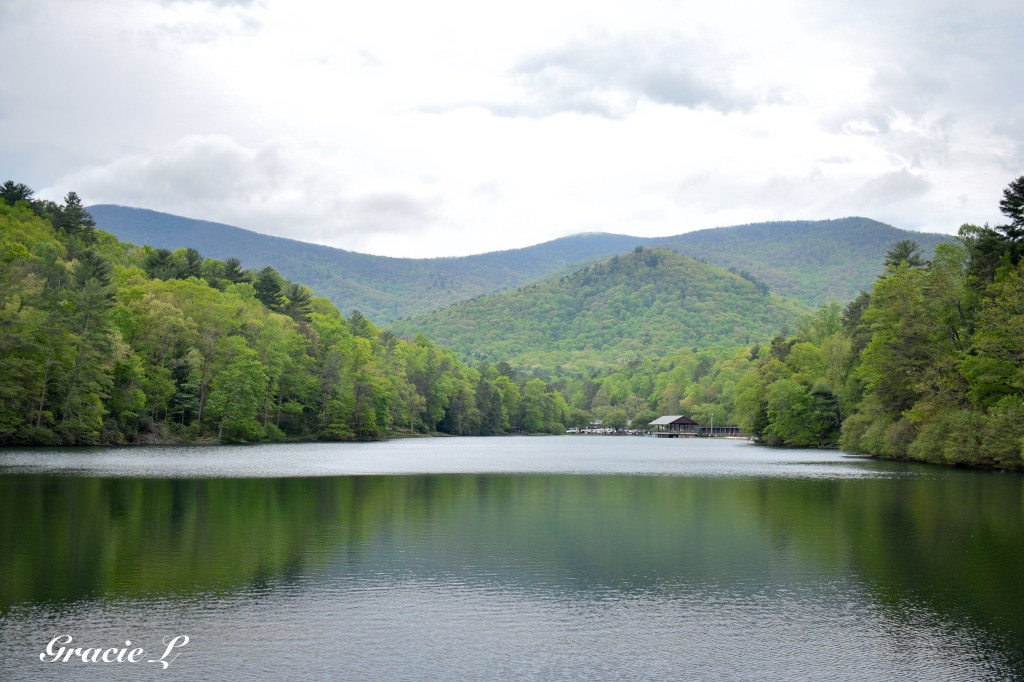
  • One Of Georgia’s First State Parks Is in North Georgia!

    Did you know one of the first two Georgia state parks to ever be established is right here in North Georgia?

    Vogel State Park located in the North Georgia mountains not far from Smithgall State Park, Amicalola State Park and Unicoi State Park is one of the first two parks that Georgia ever established in 1931.

    During the early twentieth century cars were becoming extremely popular and so was tourism that’s when Georgia took knowledge of the new movement by joining the national movement to establish state parks in 1927. They also wanted to preserve the Indian Springs Reserve in Butts County, Georgia and the state senate called for resolution.

    The resolution resulted in Indian Springs and ten acres of land around it to be placed under the jurisdiction of the State Board of Forestry with the idea of turning the spring and the land around it into a state park.

    After this proposal in 1931, the Georgia State Parks was established, and the state created a commission that established Indian Springs as a state park as well as Vogel.

    During the next six years five more state parks would be added to this list including Santo Domingo (now Boys Estate) near Hofwyl -Broadfield Plantation, Alexander H. Stephens, Chehaw (which is currently a local park) and Pine Mountain which is now F.D. Roosevelt State Park.

    Vogel was established as a forest park with the reorganization of the State Board of Forestry. The reorganization act created a commission to administer the Department of Forestry and Geological Development.

    Vogel is nestled in the Chattahoochee National Forest at the base of Blood Mountain in Blairsville, Georgia which is the highest part of the Appalachian Trail in Georgia. The park is located at 2500 feet above sea level and is linked to several generations of Native Americans living here before the Europeans arrived and rightfully so with its breathtaking beauty!

    The park today is 233 acres not including its 22 acre lake. Visitors have the option of staying over 34 cottages, 90 tent, trailer and RV sites, 18 walk-in campsites and 1 pioneer campground.

    Visitors also have the option of reserving 4 picnic shelters, 1 group shelter which seats 90 and 1 lake pavilion which seats 100.

    Today visitors can enjoy this park’s natural beauty by hiking over 17 miles of trail including hiking to Trahlyta Falls, fishing, swimming and kayaking.

    The park also has a general store and a seasonal CCC Camp Museum.

    After the establishment of Vogel and Indian Springs State Park, in 1937 the state reorganized the organization again splitting it into several divisions including the Division of Forestry, Division of Wildlife, Division of Mines, Mining and Geology and then finally the Division of State Parks, Historic Sites and Monuments.

    Today’s state park system is the direct ancestor of this park.

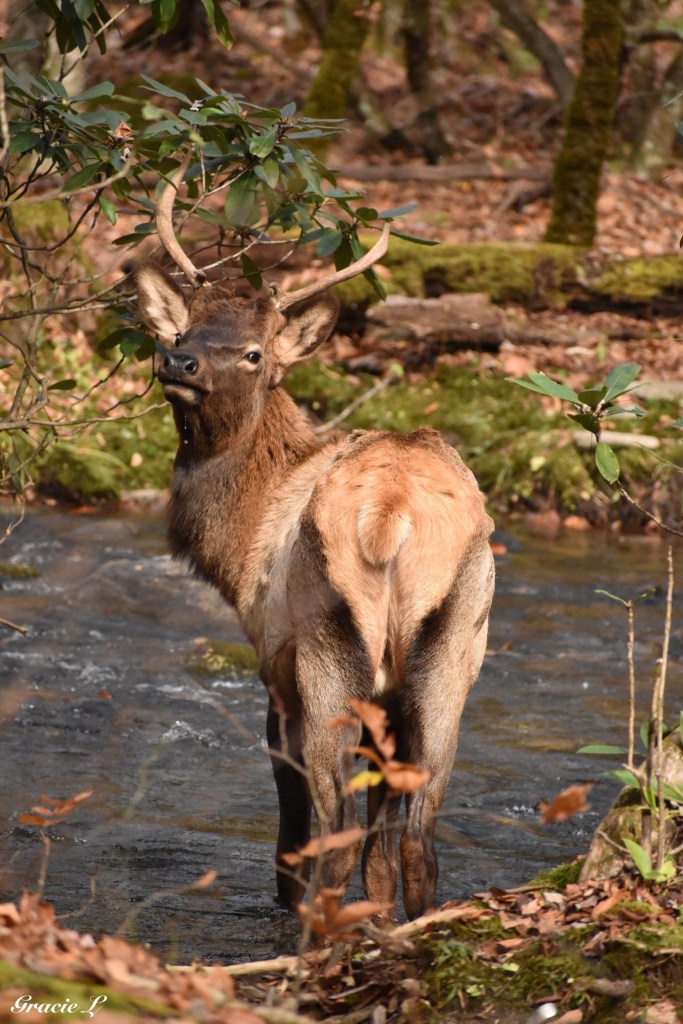
  • Elk: The Loudest Deer in North America

    Did you know that Elk are the loudest species of deer?

    Elk, especially bull male elk, make one of the highest pitched and unique sounds that can be found on the planet.

    During the breeding season called the “rut” male bulls will make mating calls called “bugles” to help call in and win over his females.

    The high-pitched has been said by some to similar a mix between a scream and a whistle.

    Bugles from a bull elk are so loud sometimes they can be heard from miles away!

    Another call besides the bugle tht elk use to communicate is a sound called “clicking” but this communication doesn’t come from the voice!

    Clicking is the most commonly used call by elk when communicating.

    Elk make popping or clicking noises with their ankle joints. This lets other elk know that the elk behind them is part of their herd and is not a predator.

    Elk are very impressive animals and very smart as well. They know when danger is near and like I mentioned above they have several ways to help alert the rest of the herd of the nearby potential danger.

    However, this is another good reason why you should always be alert when visiting places that are populated with elk like the Great Smoky Mountains because if you are hiking and not paying attention and you come across an elk it may just mistaken you as a predator and nobody wants to make a 700lb bull elk or 500lb cow elk mad!

  • Tennessee Is Named from This Underwater Town!

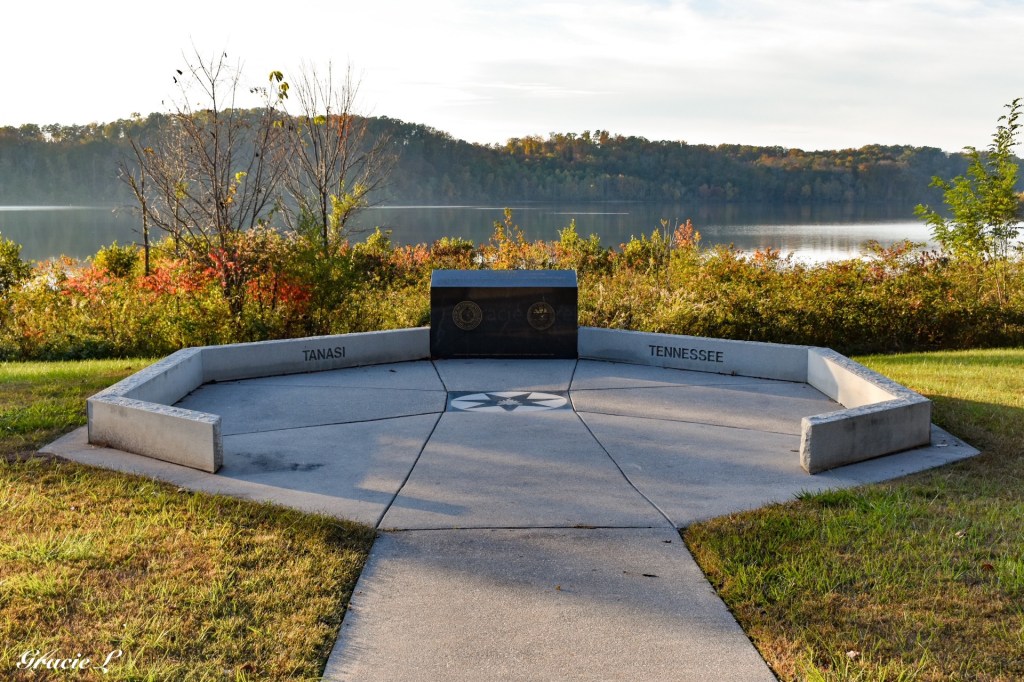
    Hidden underneath the Tellico River in Vonore, Tennessee lies the Cherokee Nation’s first capital city of Tanasi.

    The capital was in effect from 1721 to 1730, 46 years before the Declaration of Independence was signed.

    Tanasi attained political prominence in 1721 when its civil chief was elected the first “Emperor of the Cherokee Nation”. About the same time that this had occurred, the town name was also applied to the river on which it was located.

    During the mid-18th century, Tanasi became overshadowed and absorbed by the town of Chota which was located to the immediate north.

    So how did Tennessee get named from the town of Tanasi?

    The first recorded spelling of Tennessee as it is today occurred on Lt. Henry Timberlake’s map of 1762. In 1796, the name Tennessee was selected among several as most appropriate for the nation’s 16th state.

    The flooding to create the Tellico River in this area caused the town to become underwater. The flooding was caused for the Tellico Reservoir and to complete the construction of the dam on the Little Tennessee River.

    The site of the former town of Tanasi is now underwater and is located about 300 yards west of the Tanasi marker.

    Folks from all around can come to the Tanasi Memorial on the Tellico River to pay tribute to this underwater but never forgotten town!

    If ya’ll are interested in visiting here is the address to the marker

    Follow Hwy 360 to the junction of Hwy 360/Hwy 455 for about 5miles. Then turn left onto Country Road 461 where you will then turn right to the Tanasi Memorial.

  • Cherokee Indians Use This Plant to Make Blow Darts!

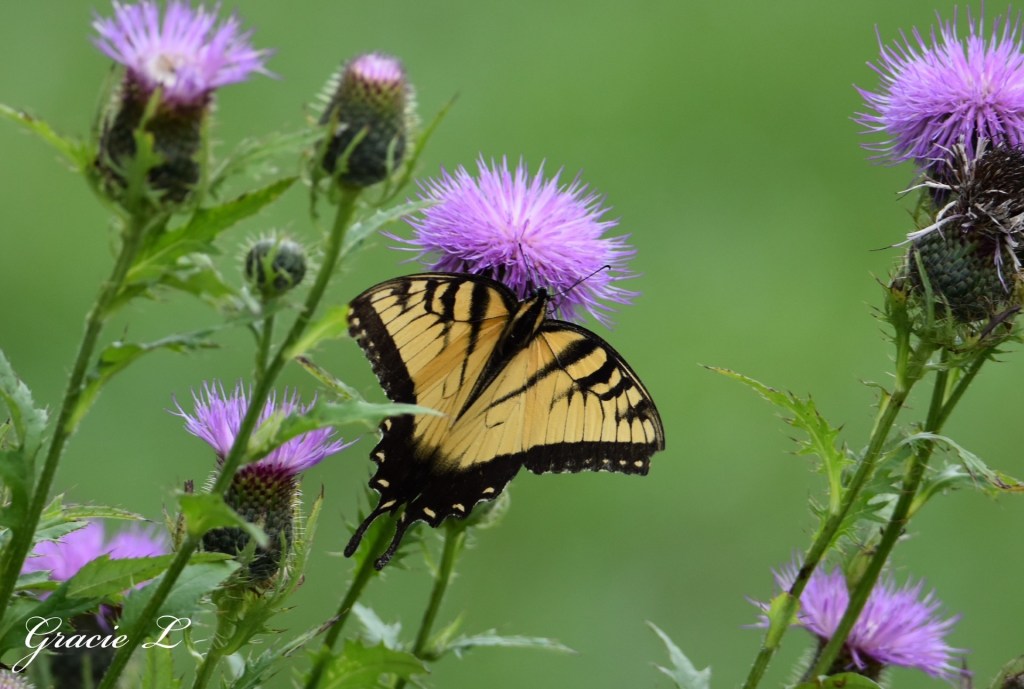
    Did you know that thistles are not only a great snack for your bird friends but are also used to make blow darts!

    It’s true! The Cherokees use thistles and a wooden shaft to help create the dart.

    First, they would harvest the thistle, and you don’t want to pick the thistle while it’s still purple, as you will see in the photo, but you want it instead to be brown. If you pick it while it’s purple, it will more than likely mold.

    Now you all might be wondering why thistle? Thistle is the best material for fletching which is the feathers on a dart or arrow. However, some use cotton if necessarily.

    To make the fletching, you must take a dry thistle bulb and remove the brown seed part from the pod but be sure not to remove the fluffy white down from it as that will form the fletching. Next you have to find a straight wooden rod or skewer and notch it on the top. River cane is a major source for this.

    After that, take quilting thread and knot it on one end and place it inside the notch. Place the downy part of the thistle pod against the stick and wrap the thread around the downy to attach it to the wooden rod or skewer which is now your arrow.

    Tie the end of the thread where the downy ends on the arrow. Roll the arrow in your hands to get rid of any loose downy or seeds and you have officially made yourself a blow dart!

    Keep in mind that some might think that a hard puff of air is required to shoot a dart, but this is actually not the case at all, and all you have to have is a quick burst of air to shoot the dart off.

    Information provided by the Cherokee Phoenix (The original Cherokee newspaper).

  • The Historic Wright Hotel in Chatsworth, Georgia

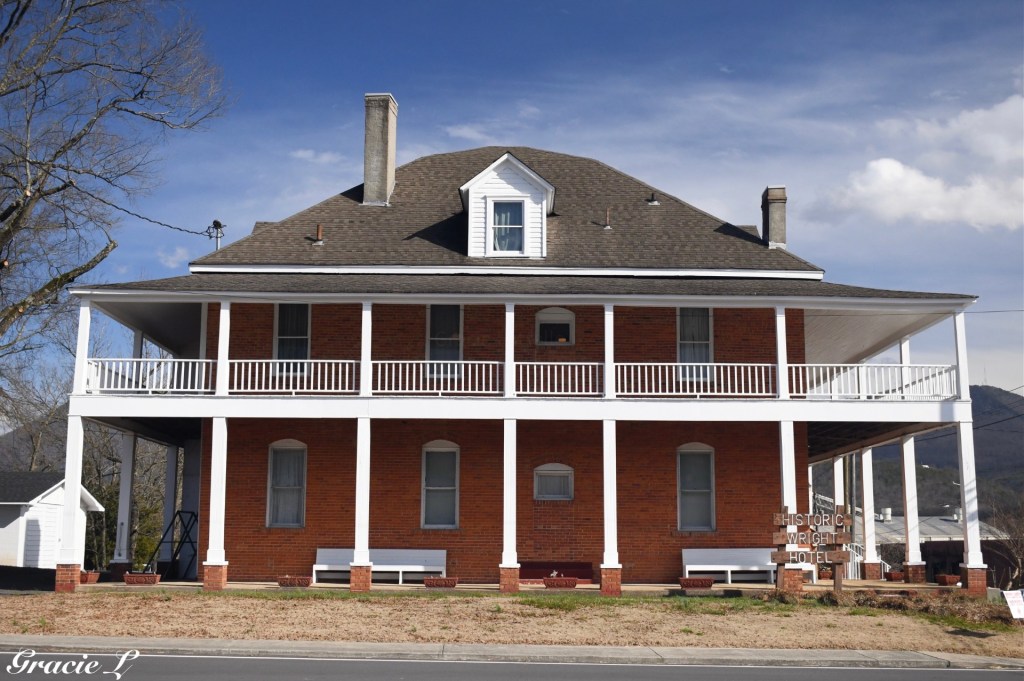
    Located on East Market Street in the center of this beautiful small Appalachian town of Chatsworth, the historic Wright Hotel has seen more history than ever can be imagined.

    The Wright Hotel was built in 1909 by Thomas Monroe Wright, a farmer living in the southern part of the county to provide a home for his family and to provide a spa for visitors coming to Chatsworth in the Summer months to drink the mineral waters.

    Mr. Wright was the builder, architect and overseer of the hotel. With the help of his cousin, Thomas Banks from Clevland, Tennessee, his wife Laura Holbrook and their children Jesse, Obb, Essie, Kate, Jeannie May and J.L, Mr. Wright constructed this 3-story hotel and his family’s home.

    Another child, Glenn was actually born in the hotel.

    Mr. Wright rented the Chatsworth brick plant to construct the soft rose bricks to build the hotel. All the heart pine lumber that was needed for the hotel was harvested from the Wright Farm in Prune, Georgia on Holly Creek and was aged for a year. The floors are made tongue and groove while the walls are made of wooden lattice and plaster.

    Mr. Wright and his cousin Mr. Banks wanted the hotel to have a sturdy foundation so the two decided to place the hotel on a ten-foot foundation which mostly sits underground.

    After the hotel was built and opened in 1909, guests from all around came for visits including, Hoke Smith former Governor of Georgia, Congressman Gordon Lee and J. Frazier Glenn who helped build talc mines into a multi-million-dollar industry.

    On some occasions the Wright Hotel opens for visitors to tour the 22-room hotel including the rooms that the guests stayed in, the dining room, the kitchen, laundry room, the nursing room which displays some of Mr. Wright’s daughter Kate’s paraphernalia while working as a nurse, and even the living room.

    The home also has on display many historic artifacts including several Native American artifacts from which Kate and her husband collected during their years of working with Southwest Indians. They also have on display the original program to the movie Gone With The Wind and a sword from World War l.

    No matter if you are a history lover or just love to learn about your heritage, the Wright Hotel truly has something for everyone!

  • Georgia History: The Granite Capital of the World is in Georgia!

    Nestled in the picturesque landscapes of Northeast Georgia, the city of Elberton proudly holds the title of the World’s Granite Capital, captivating visitors with its stunning natural beauty and rich history. Situated just 33 miles east of Athens and 110 miles east of Atlanta, Elberton beckons travelers to explore its enchanting lakes, meticulously kept parks, and a plethora of exquisite granite monuments that adorn the cityscape. Among these impressive monuments stands the grand 20,000-seat Granite Bowl stadium, a focal point of Elberton’s heritage and community pride. Serving as the esteemed home stadium for the Elberton County Blue Devils’ soccer and football teams, this architectural marvel is a testament to the city’s deep connection to its abundant granite resources.

    Photo by Digital Buggu on Pexels.com

    Crafted from over 100,000 tons of locally sourced blue granite, the Granite Bowl stands as a symbol of Elberton’s legacy as a leading producer of granite monuments. Remarkably, the construction of this monumental stadium was a cost-effective endeavor, owing to the city’s vast granite reserves that made material costs minimal. The Elberton Granite Deposit, a sprawling expanse spanning 35 miles in length and 6 miles in width, serves as the primary source of the world’s granite monuments, with an estimated 6 million tons of granite waiting to be transformed into works of art.

    Adding to the allure of the Granite Bowl is its historical significance – the scoreboard at the stadium once graced the renowned Sanford Stadium during the Georgia Bulldogs’ unforgettable 1980 National Championship Season. Besides its sporting significance, the Granite Bowl often hosts cultural events, concerts, and other community gatherings, further cementing its place as a cherished landmark in Elberton. As Elberton continues to thrive as a hub for granite production and a haven for outdoor enthusiasts and history buffs alike, the city remains a must-visit destination for those seeking to immerse themselves in its rich tapestry of heritage and natural wonders. The stadium’s impressive architecture, built to withstand the test of time using local resources, serves as a reminder of Elberton’s commitment to preserving its history and showcasing its unique granite heritage. With the Granite Bowl as a shining example of the city’s craftsmanship and community spirit, visitors are drawn to experience the blend of tradition and modernity that defines Elberton’s character. Whether attending a thrilling game at the stadium or simply marveling at its grandeur from afar, exploring Elberton’s Granite Bowl provides a glimpse into the city’s past, present, and future aspirations. As visitors depart Elberton, the echoes of cheers and applause from the Granite Bowl linger in their memories, a testament to the enduring legacy of this architectural wonder in the heart of Georgia’s Granite Capital.