Tag: animals

  • Are Bald Eagles Actually “Bald”?

    Have you ever wondered if Bald Eagles are actually bald? Let’s find out!

    Bald Eagles get the name bald after an old English word “balde” which means white.
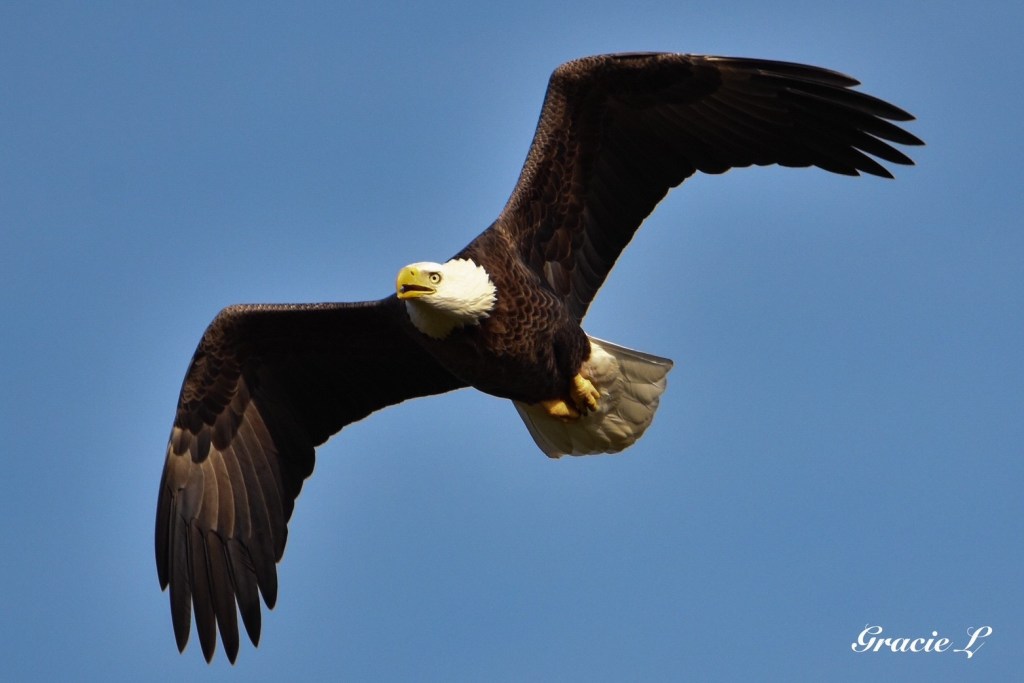
    The word bald pays tribute to these birds white feathered heads and white tail feathers which are one of the key factors that we all use to identify the species.

    So how do these guys and gals get their iconic white feathers? It’s a long but very amazing process!

    Bald Eagles are actually born with a fluffy white down but as they grow, their white down will change into a gray wooly down. This change normally happens around the first four weeks of the eaglets life.

    When the eaglet turns 5 weeks old, their black and brown feahered plumage will begin to grow out.

    Around 10 weeks old the eaglet will be fully covered in their adult dark black plumage. Some will mistaken the juvenile as a Golden Eagle.

    The “teenage” eagle will keep their dark colored feathers for the first 6 months of their life.

    After 6 months have gone by, the eagle will then begin transitioning from their dark head and tail feathers into a lighter creamish white feathers.

    The eagle will continue to molt year after year until it’s head and tail feathers are completely covered in white plumage. This normally occurs at around 5 years of age.

    So the “nest” time (oh excuse me!) The next time that ya’ll see a Bald Eagle try to remember how long of a process it is for these beautful birds to have their reigning feathers!
  • How Ducks Avoid Frostbite in Cold Waters

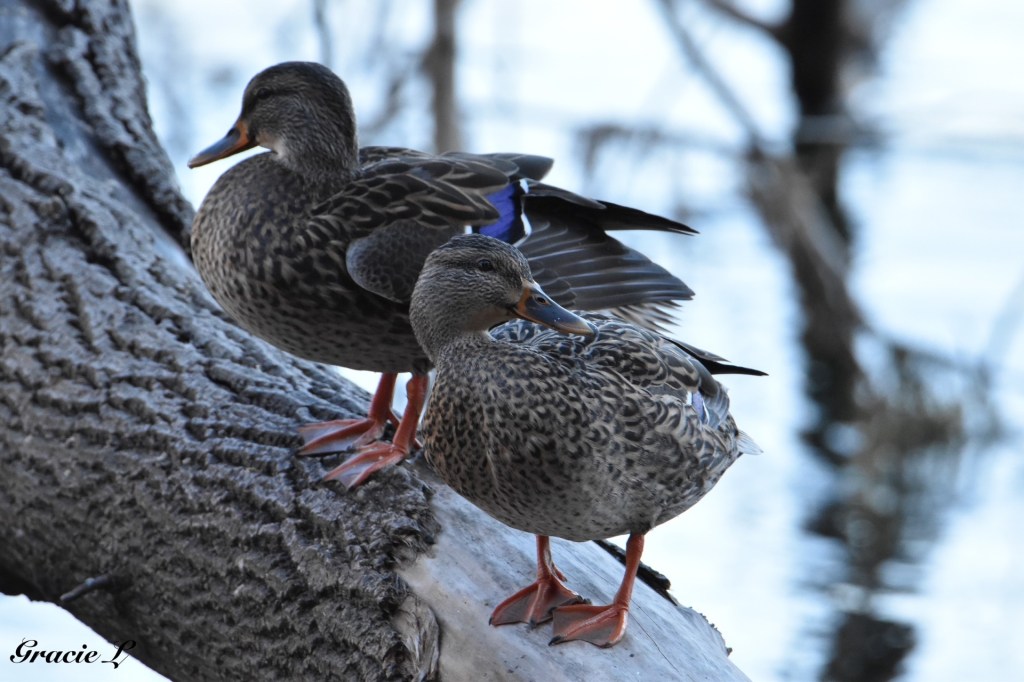
    Have you ever seen a Wild Pintail or Mallard Duck swimming and riding a river current and wondered just how do they swim in freezing cold and not get frostbite in their bare feet like us humans do? Let’s find out!

    Too much of the cold blood would bring their body temperature down which would then lead to hypothermia but ducks have another way of solving this!

    Ducks feet are not insulated through layers of fat nor feathers so with this being said, they instead rely on another source of warmth called “countercurrent”.

    As warm arterial blood rushes out of the duck’s heart and begins traveling its way to the duck’s feet, it is met closely by the rushing cold blood coming out of the duck’s feet. In birds the veins and arteries run close together therefore as they pass each other, the cold blood from the duck’s feet takes most of the heat from the artery causing the artery blood to be extremely cool before entering the duck’s leg, preventing any heat loose from the Duck’s body.

  • Georgia’s Wild Turkey Population Is in Serious Decline

    Here in the Appalachians where I am from turkeys are becoming less and less seen. I used to see and photograph dozens of turkeys around here each year but sadly I have not photographed the first turkey this year. This put me into research mode, and this is what I found out!

    According to the Georgia Department of Natural Resource, state agencies and researchers across the state of Georgia and the Southeast have been monitoring and watching closely turkey reproduction and the turkey harvest season each year and sadly they have seen alarming declines in the populations of wild turkeys.

    The poult or “baby turkey” hatching and growing rate is a fraction of what it was two decades ago. The poult count per each mother hen average has been on the decline since the late 1990’s. The poult count per each hen is around 1/3 of what it was at its peak. The average poult count is currently around 1.5 to 1.6 per hen.

    So what is causing these severe declines in the population?

    Coyotes and other predators are a major fact to this disruption of the poult or baby turkeys as they are nothing but a treat to them. A majority of nests and broods of poults are ravaged each year.

    Habitat changes like short timber rotations, hardwood removal and suburban development has caused these birds to lose their habitats or homes making it more difficult for these guys to reproduce and thrive.

    Last but not least is illegal hunting activity. Research has shown that gobbling, which is necessary for a male to win over a female during breeding season is being disrupted by hunters who are illegally taking male turkeys “toms” in their most vunerable times.

    By removing “toms” especially dominant toms, hunters could be impacting breeding activities and therefore disrupting the turkey population.

    The Wildlife Resources Division is currently working hard to help conserve and save the population from further decline.

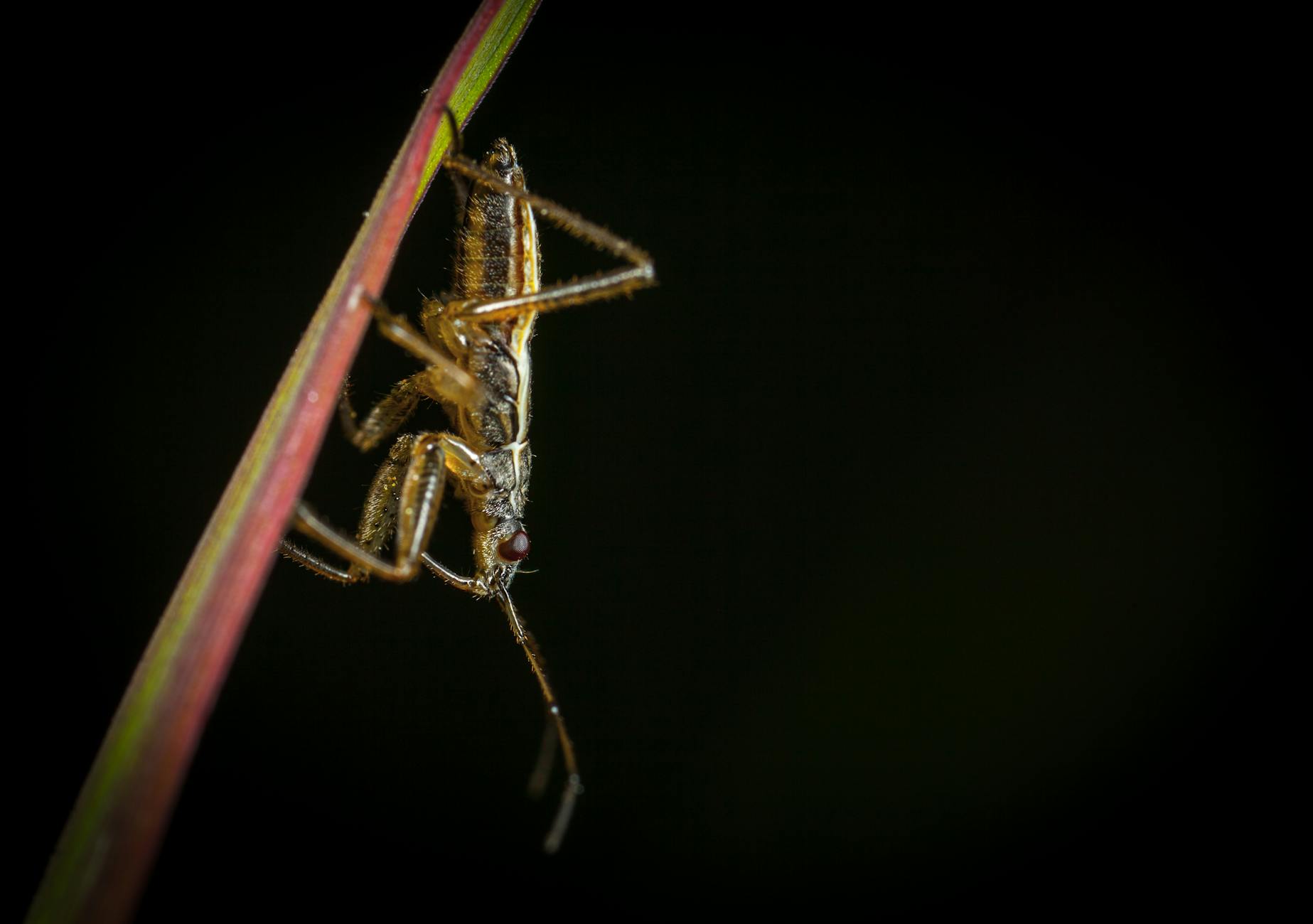
  • Crickets Are Natural Thermometers!

    Have you ever set outside in the late evening and listened to the relaxing sound of crickets chirping? Well did you know that when the crickets are chirping it can also tell you what the temperature is outside? It’s true!

    Crickets chirp faster when it is warm outside and when it is colder crickets will chirp slower.

    Photo by Egor Kamelev on Pexels.com

    The easy rule of thumb is to count however many times the crickets chirp as fast as you can in 14 seconds and add 40 to the resulting number that you have counted. The result will be the temperature in Fahrenheit of whereever the crickets are located.

    Crickets are cold blooded and adapt to the temperature of their surroundings.

    In 1897, a scientist named Amos Dolbear published an article “The Cricket as a Thermometer” which noted the correlation between the rate of the crickets chirp and the ambient temperature.

  • Honeybees Are Not the Only Insects That Make Honey!

    Have you ever wondered after taking a bite of nature’s delicious gold if Honeybees are the animals that can produce this delicious treat?

    The answer really has two answers both yes and no so let’s dive right on into the hive and find out!

    The answer is no Honeybees are not the only insects that make honey!

    Bumblebees make honey but it cannot be collected and used for by humans. However, Bumblebees only make enough honey for the colony to be able to survive on bad weather days when they are not safe to leave the colony.

    Another group of insects that produces honey is wasps! There are over 17 species of Wasps that produce honey and one specific species that is known for its honey is the Mexican Honey Wasp or B. mellifica. This wasp’s honey is considered a delicacy in some cultures of Mexico. They also provide pest control and help to pollinate avocados.

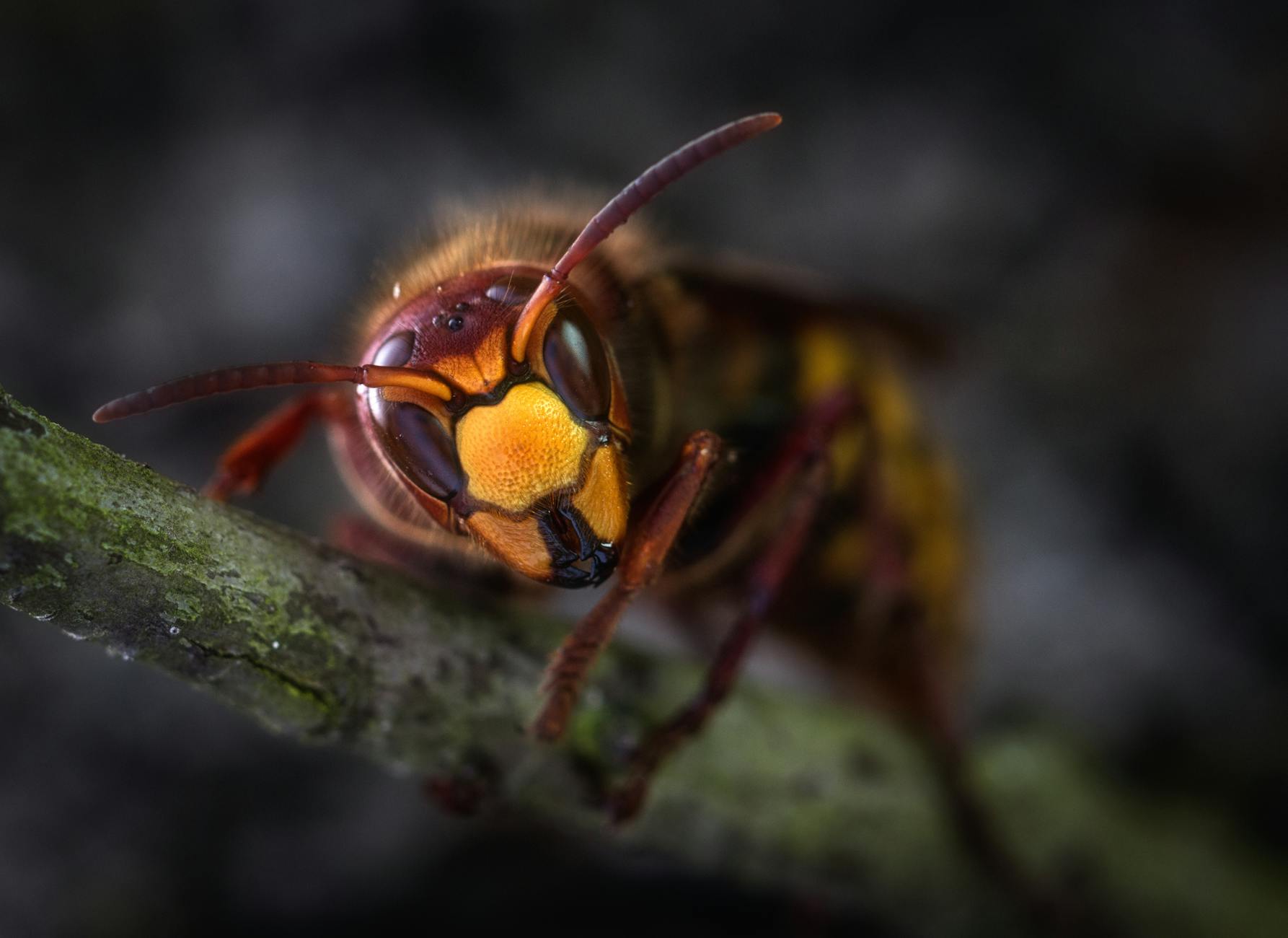
    Hornets and Yellow Jackets do not produce honey.

    So, as you all can see Honeybees are not the only insects that produce honey, but it doesn’t make that honey taste any less sweeter!

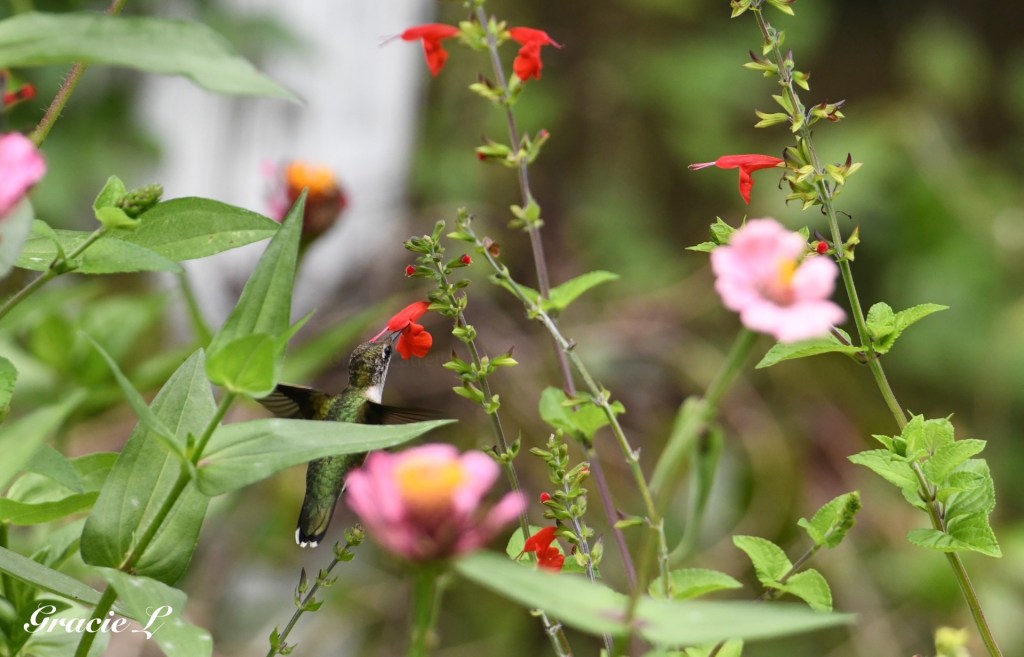
  • Flowers That Will Attract Hummingbirds to Your Garden!

    These are just a few of the many flowers that will attract hummingbirds to your backyard!

    1. Zinnias

    With their beautiful bright colors and tall stems, giant zinnias are a great add to any backyard flower garden when your trying to attract hummingbirds. Also dwarf zinnias are great as well and attract the hummingbirds just as much as the giant ones do!

    2. Red Salvia

    Salvia is one of my personal favorites to add to the pollinator garden as not only does their bright red appearances make your garden pop but the red color also helps attract the hummingbirds to your garden!

    3. Geraniums

    This one I call the “stinky plant” and I’ll explain why in the minute. Just like salvia their bright appearance truly causes your garden to glow with red flowers and with this attracts hummingbirds to your garden. The reason why I call it the “stinky plant” is because when the flower is disturbed it produces an odor that smells very similar to skunk spray.

    4. Petunias

    Petunias is another great add on to any garden who is trying to attract hummingbirds. The hummingbirds love the flowers due to their tubular-shaped appearance and their nectar!

    5. Sunflowers

    Now this one sounds like a weird choice, but hummingbirds truly love sunflowers. You can either purchase seeds in a prepackaged packet or you can just sow bird seed sunflower seeds.

    6. Tomatoes

    I know that this is again a weird choice but hummingbirds love to collect the nectar from the tomato blooms on the vine.

    7. Hummingbird Vine

    Just like its name these beautiful vines that produce trumpet shaped flowers attract hummingbirds very well to your garden.

    8. Butterfly Bush

    Butterfly bushes is a bush that produces a stem with dozens of small flowers attached to the end of each stem and these small flowers produces pollen for hummingbirds to eat!

    9. Hollyhocks

    With their cup shaped flowers, these are a great addition to anyone’s hummingbird garden.

    10. Lupines

    Last but not least is the Lupine. Lupines are flowering plants that have colorful spikes on top of the stem with tubular flowers making them a favorite among hummingbirds.

    I hope this helps all of you who are trying to attract our hummingbird friends!

  • Georgia’s Most Dangerous Insects: Easy Identification Guide!

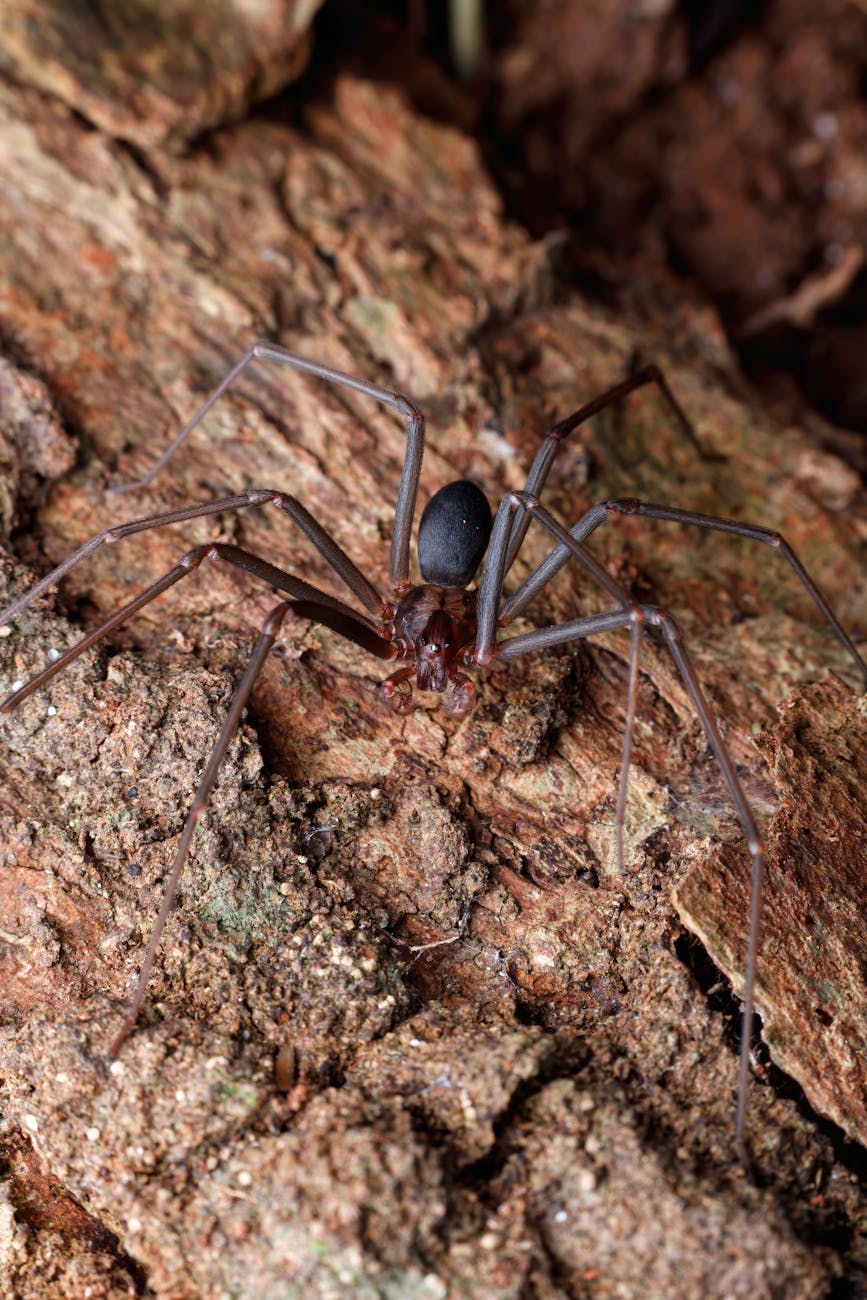
    Brown Recluse Spider

    Photo by cassius cardoso on Pexels.com

    The Brown Recluse Spider bite will result in an extremely painful open wound.

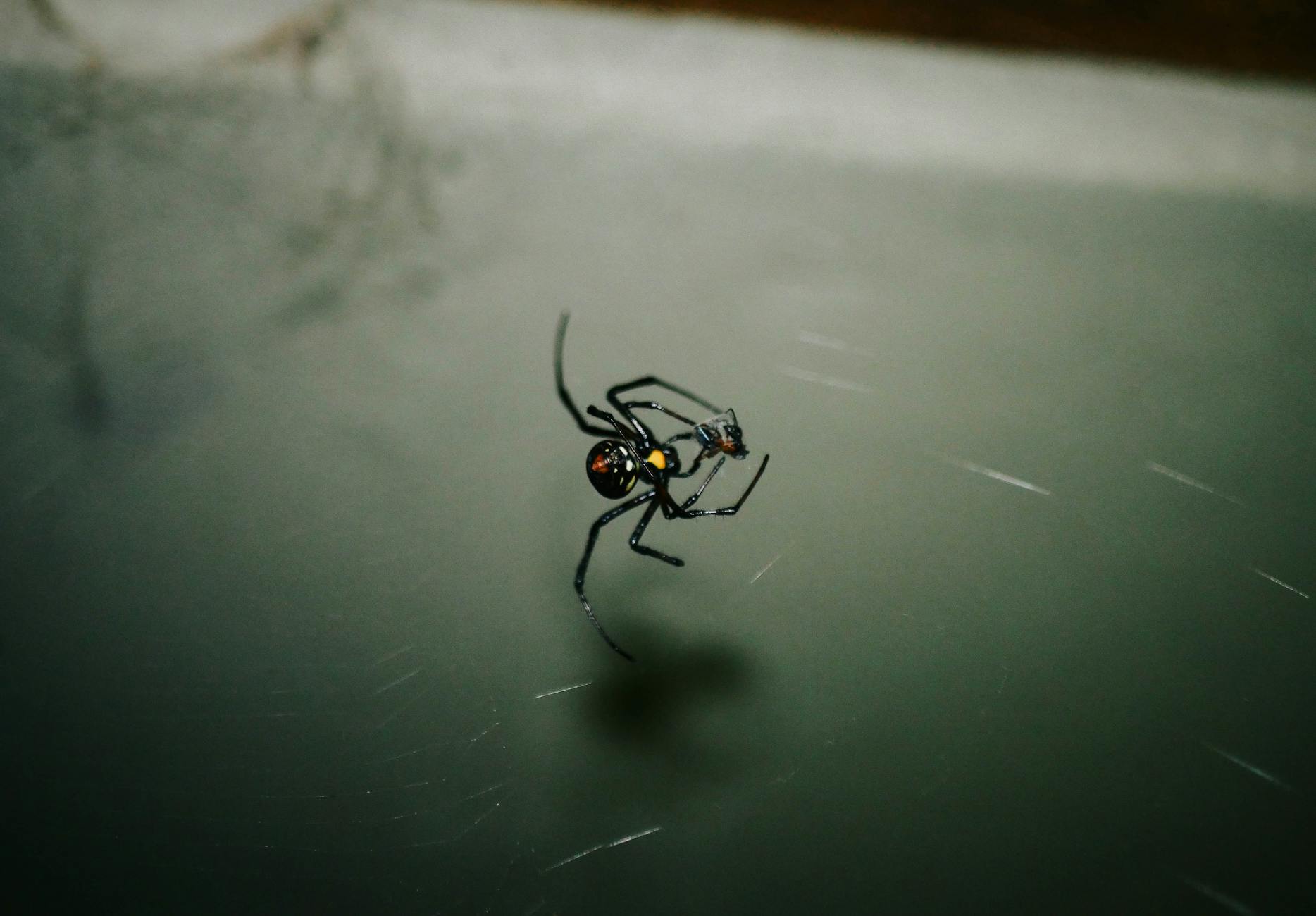
    Black Widow Spider

    Photo by Bruno Guerra on Pexels.com

    The Black Widow is considered to be the most deadiest insect and spider inside the state of Georgia. If you are bitten seek help immediately. Their venom attacks the nervous system resulting in muscle cramps and severe pain.

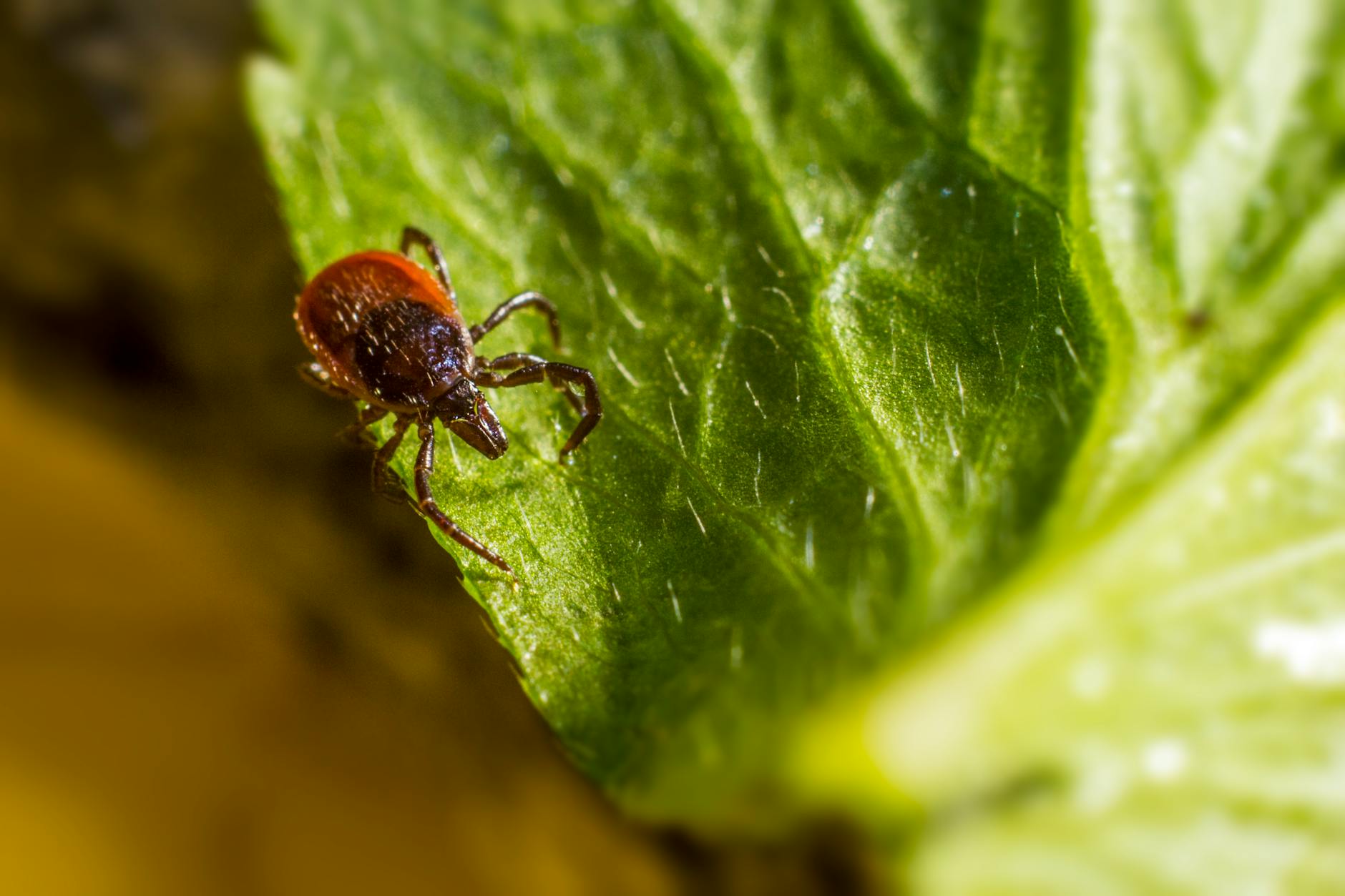
    Ticks

    Photo by Erik Karits on Pexels.com

    Ticks will literally make your skin crawl. Some of the most dangerous illnesses spread by tick bites include lyme disease and rocky mountain spotted fever.

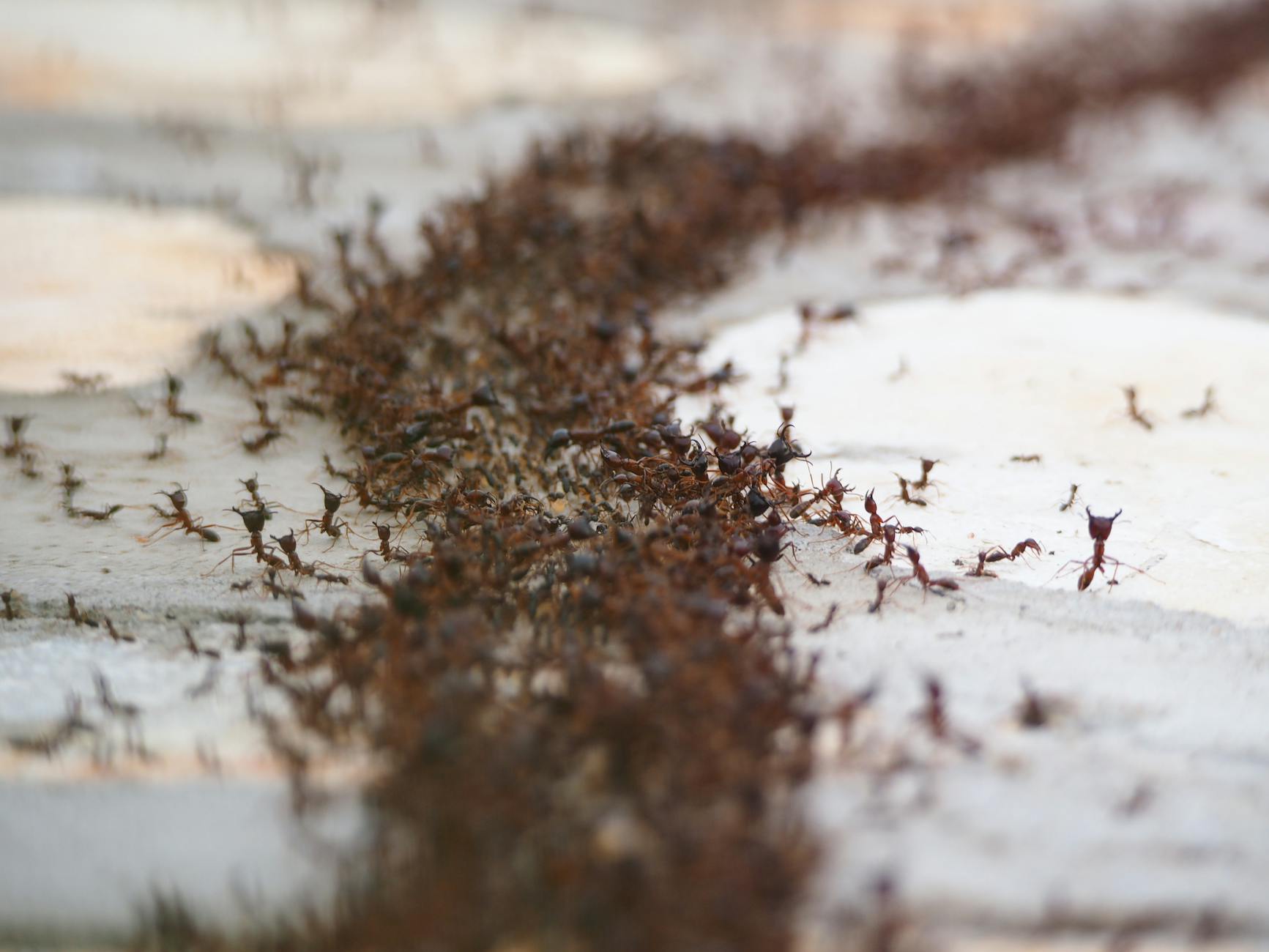
    Fire Ants

    Photo by Timon Cornelissen on Pexels.com

    Fire ants can be a issue and to anyone who has ever been bitten by one can tell you just how bad the bite hurts. If you find yourself bitten by a fire ant or even worse a colony be sure to take care of yourself and watch for any allergic reaction.

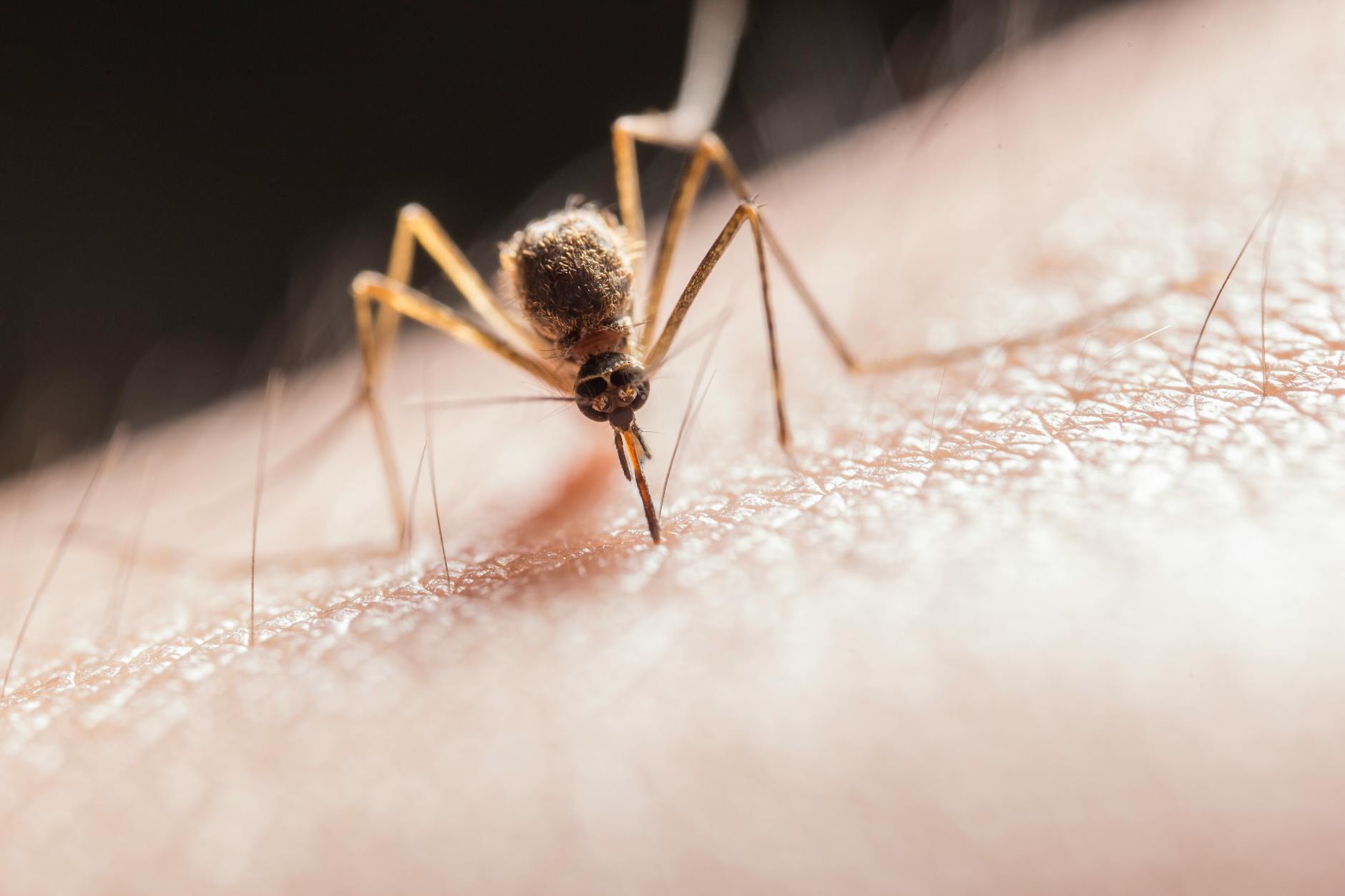
    Mosquitos

    Photo by Jimmy Chan on Pexels.com

    It is nothing uncommon to be bitten by a mosquito especially if you live in the state of Georgia. Most mosquito bites are totally safe and go away after a few days but some are not so safe. Some bites can result in infecting the host with the Zika Virus, West Nile virus and the Eastern equine encephalitis. The bite can even carry some of the most deadliest diseases like malaria.

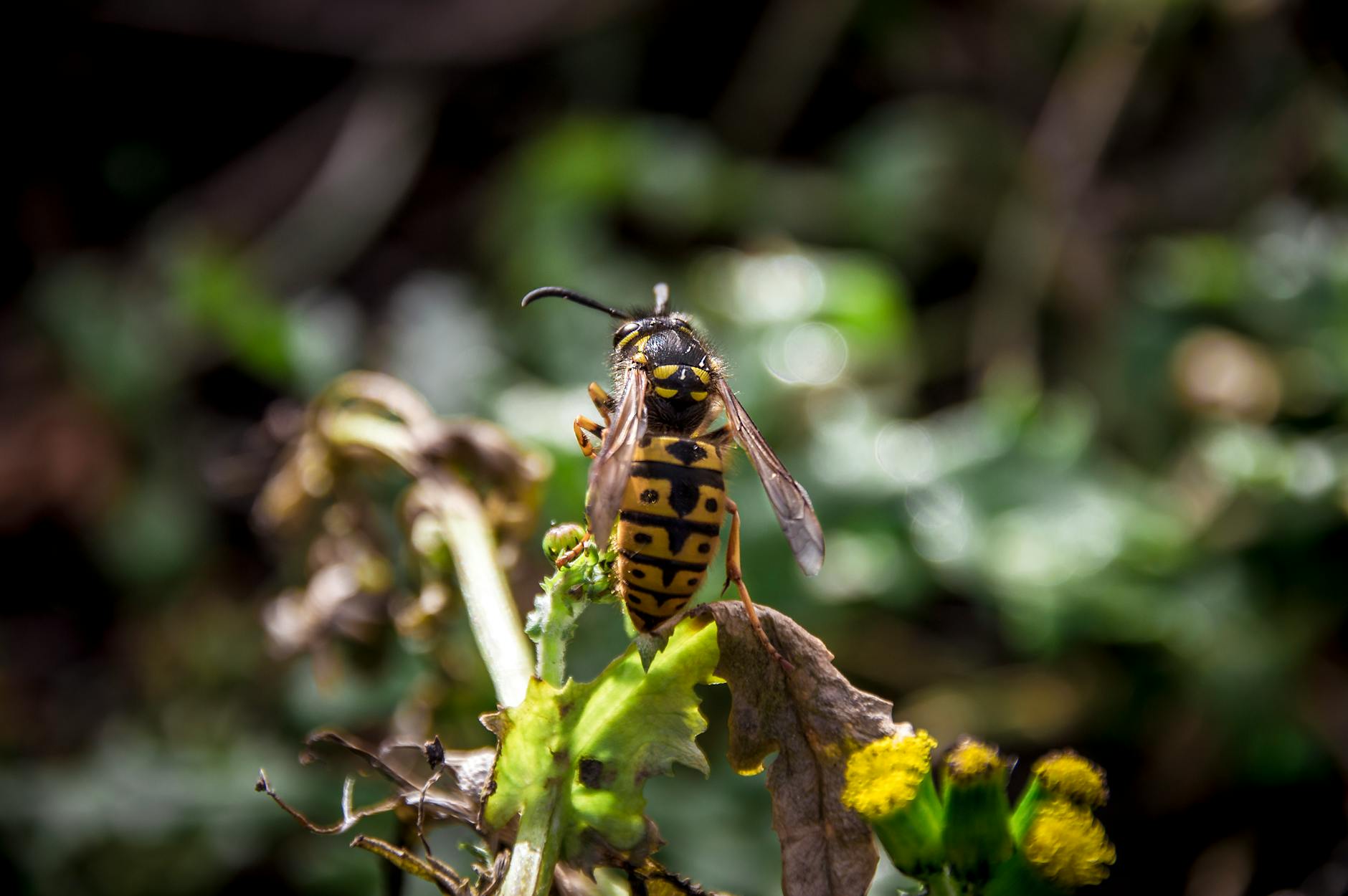
    Yellow Jackets

    Photo by Kate Bk on Pexels.com

    Yellow Jackets mostly burrow underground to make their nest and their nest can easily be overlooked resulted in many people being stung while out mowing the lawn or just doing something just as walking by the nest. Be sure if you’re stung to watch out for any signs of an allergic reaction.

    Hornets

    Photo by David Hablu00fctzel on Pexels.com

    Just like Yellow Jackets, hornets can also bury underground to build their nest and can even build their nest in tree cavities or limbs. If you are stung be sure to watch out for an allergic reaction.