Have you ever wondered after taking a bite of nature’s delicious gold if Honeybees are the animals that can produce this delicious treat?
The answer really has two answers both yes and no so let’s dive right on into the hive and find out!
The answer is no Honeybees are not the only insects that make honey!
Bumblebees make honey but it cannot be collected and used for by humans. However, Bumblebees only make enough honey for the colony to be able to survive on bad weather days when they are not safe to leave the colony.
Another group of insects that produces honey is wasps! There are over 17 species of Wasps that produce honey and one specific species that is known for its honey is the Mexican Honey Wasp or B. mellifica. This wasp’s honey is considered a delicacy in some cultures of Mexico. They also provide pest control and help to pollinate avocados.
Hornets and Yellow Jackets do not produce honey.
So, as you all can see Honeybees are not the only insects that produce honey, but it doesn’t make that honey taste any less sweeter!
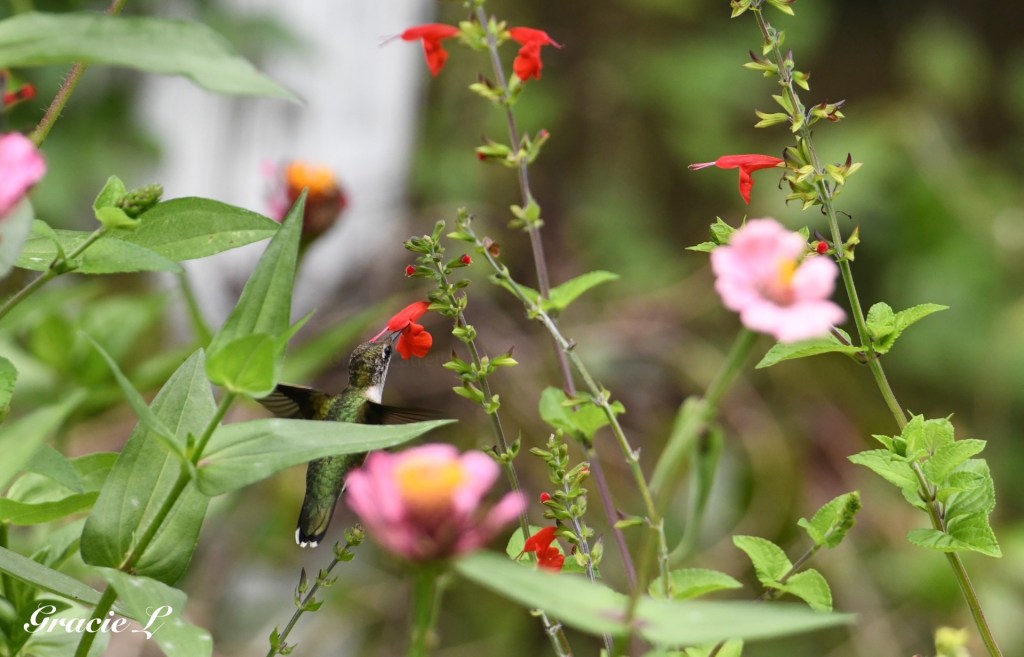
These are just a few of the many flowers that will attract hummingbirds to your backyard!
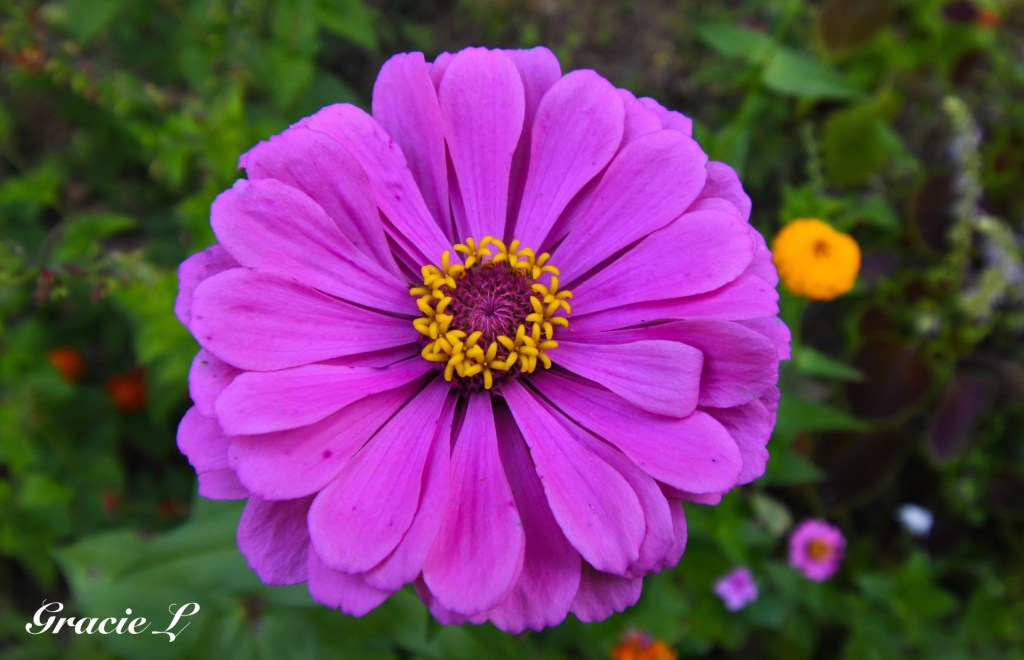
1. Zinnias
With their beautiful bright colors and tall stems, giant zinnias are a great add to any backyard flower garden when your trying to attract hummingbirds. Also dwarf zinnias are great as well and attract the hummingbirds just as much as the giant ones do!
2. Red Salvia
Salvia is one of my personal favorites to add to the pollinator garden as not only does their bright red appearances make your garden pop but the red color also helps attract the hummingbirds to your garden!
3. Geraniums
This one I call the “stinky plant” and I’ll explain why in the minute. Just like salvia their bright appearance truly causes your garden to glow with red flowers and with this attracts hummingbirds to your garden. The reason why I call it the “stinky plant” is because when the flower is disturbed it produces an odor that smells very similar to skunk spray.
4. Petunias
Petunias is another great add on to any garden who is trying to attract hummingbirds. The hummingbirds love the flowers due to their tubular-shaped appearance and their nectar!
5. Sunflowers
Now this one sounds like a weird choice, but hummingbirds truly love sunflowers. You can either purchase seeds in a prepackaged packet or you can just sow bird seed sunflower seeds.
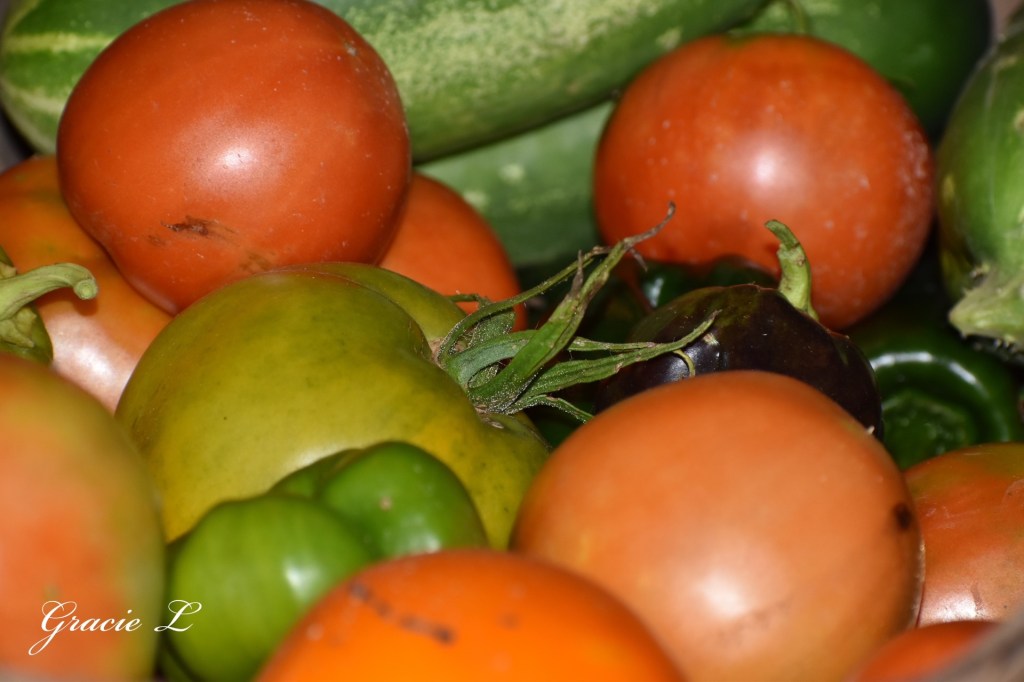
6. Tomatoes
I know that this is again a weird choice but hummingbirds love to collect the nectar from the tomato blooms on the vine.
7. Hummingbird Vine
Just like its name these beautiful vines that produce trumpet shaped flowers attract hummingbirds very well to your garden.
8. Butterfly Bush
Butterfly bushes is a bush that produces a stem with dozens of small flowers attached to the end of each stem and these small flowers produces pollen for hummingbirds to eat!
9. Hollyhocks
With their cup shaped flowers, these are a great addition to anyone’s hummingbird garden.
10. Lupines
Last but not least is the Lupine. Lupines are flowering plants that have colorful spikes on top of the stem with tubular flowers making them a favorite among hummingbirds.
I hope this helps all of you who are trying to attract our hummingbird friends!
Me and my family plant our garden by the signs of the moon including the breast, head, neck, arms, legs, knees, heart, belly and etc.
Each plant does better in different signs. For instance, tomatoes do good when planted when the moon is in Cancer and in the breast, Scorpio in the Secrets and Pieces in the Feet.
The stages of the moon are extremely important in the plant’s growth and during each month the moon will pass through one of the twelve constellations that make up the signs of the Zodiac.
One of the best times to plant is during the new moon but just to make sure check your calendar to see what the signs are of the day that you’re planting.
The first quarter of the moon is a great time to plant annuals who are producing their crop above ground and is normally leafy including broccoli, cabbage, Brussel sprouts, asparagus, celery, corn, cauliflower, lettuce, leeks, oats, parsley, onions and spinach.
The second quarter of the moon is also a great time to plant annuals who are producing their crop above ground but are of a vine variety that produces their seed inside the crop like beans, melons, eggplants, peas, peppers, pumpkins, squash and tomatoes.
The third quarter of the moon is great to plant bulbs, roots and perennials. Meaning that it is a great time to plant shrubs, trees, berry baring fruits, artichokes, beets, carrots, onions, parsnips, potatoes, radishes, rhubarb, rutabagas, strawberries, winter wheat, turnips and grape vines.
Last but not least is the fourth quarter of the moon and during this time it is just best to cultivate your garden, turn the soil, pull weeds and prevent pests as when the moon is in the barren like this the plants will not grow well and these signs include Aries, Leo, Virgo, Gemini, Aquarius and Sagittarius.
Apple and Pear Tip! Pick your apples and pears in the old of the moon and the bruised spots will dry up and if you picked them in the new moon the spots will rot. Harvest all crops when the moon is growing old as they will keep longer and better.
I’m just curious to know do you all plant by the signs of the moon?
Have you ever had those pesky insects get all over your fresh produce including your vegetables and fruits? Well did you know that there are actually flowers that you can plant that deters insects?
It’s true! Some flowers are a natural deterrent to some insects which helps to keep your garden pest free!
Marigolds for instance is one of the popular deterring flowers. The scent on the flower (and trust me they do have a scent!) keeps insect pest like mosquitoes, snails and nematodes like cabbage worms tomato horn worms, squash bugs and many more!
Not only do they deter the bad insects, but they also attract the beneficial insects that will attack and kill the aphids which are eating your garden so, Marigolds are very beneficial to your garden!
Another popular plant/flower used to deter insects is Lavender. Not only is it personally one of my favorites natural fragrances but it helps to repel fleas, mosquitoes, moths and flies!
Chrysanthemums is another favorite pest deterring flower and are sometimes used for a flower border around the house as the flower prevents fleas, lice, ants, roaches, Japanese beetles, ticks, spider mites and bedbugs as this flower naturally contains an insecticide called pyrethrin.
Petunias are a favorite among the garden as these flowers repel leafhoppers, tomato hornworms, squash bugs and aphids!
Zinnias are also a flower that helps to deter bugs like cutworms, squash bugs, cabbage worms and ants from the garden as well! Zinnias also just like the Marigolds help lure predator insects into the garden which in turn gets rid of the insects that are eating your garden!
However, if you decide to add a little bit of Italian to your garden. Try planting Basil as it also helps to deter mosquitoes (as you can probably tell we have a mosquito infestation here in the South!), flies and moths. Garden Tip, while working in the garden, crush Basil leaves and rub them onto your skin. This will help to keep mosquitoes away!
Thyme is also another great deterring plant as it helps to keep the mosquitoes away especially in dry rocky areas of your garden!
Mint is also used to deter pests like mosquitoes but just be sure to note that Mint spreads very fast so it’s always a good idea to plant it in a pot and then place it in your garden!
Another favorite among gardening pest preventing plants is Lemongrass! The plant is packed with something called citronella which is known to be a safer component to repellents like DEET. The plant’s odor is actually so strong that it either repels or kills mosquitoes in the area but if you decide to place the Lemongrass onto your skin all you have to do is crush the leaves like you do Basil and rub them onto your skin.
Chives is another favorite among the bug deterring family and is known to deter plants like cabbage worms, aphids, slugs and carrot flies as all these bugs hate the smell of Chives.
With Spring only less than 5 weeks away, the Appalachian Forest floor is fixing to be covered with the most beautiful wildflowers and blooms.
Wildflowers will start their blooming season in mid-March to early April. The colors will range from blues to yellows all the way to pinks and purples. Nature’s colors and shapes are truly endless when it comes to wildflowers!
Some of your most common flowers you will spot in the mountains will include Bloodroot, Dwarf Violet Iris, Bird’s Foot Violet, Confederate Violets, Sweet White Violets, Common Blue Violets, Wood Violets, Halberd-Leaved Violets, Wood Anemone, Canadian Wood Betony, Toadshade Trillium, Catesby’s Trillium, Sweet White Trillium, Yellow Trillium, Rue Anemone, Purple Phacelia, Wild Geraniums, Orange Jewelweed (Spotted Touch-Me-Not), Red Cardinal Flowers and Blue Cardinal Flowers.
Bloodroot one of the flowers I just mentioned before is an herb native to the Appalachians. It has many amazing factors to health including helping inflammation, coughing, growth of new blood vessels, infections and for cancer treatment as well. Native Americans used Bloodroot as a dye, love charm, pain relief, fever relief, a medicine, gangrene and for wound infections.
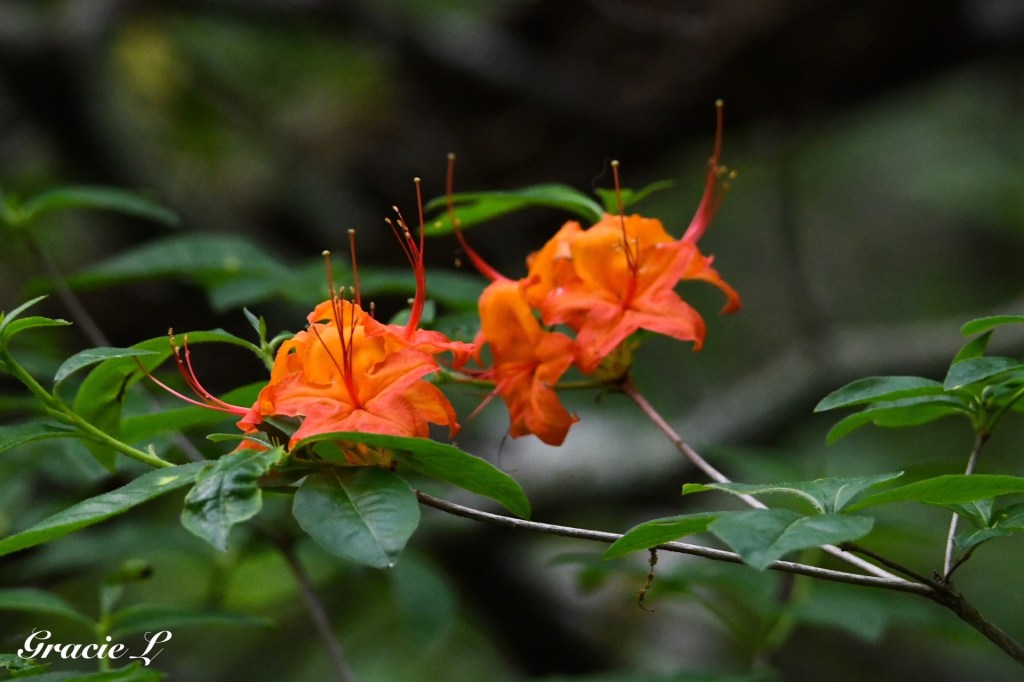
Each and every wildflower has a special meaning to being here but not all flowers are safe to consume or eat or to even touch! “Cow Itch” as us Southerners call it has some of the most beautiful orange wildflowers that you have ever seen but by touching this flower you will be covered in an itchy rash for one to two weeks.
With all of this being said it’s always a good idea to have a flower identification book with you or just don’t touch the flower until you have identified it.
However, when in Federal or State areas like State Parks and National Parks it is always a good idea to never pick any flower good or bad due to it being a federal offense that can result in a fine. Many animals like the Honeybee depend on these flowers to collect nectar to produce honey for their hive.

 Gracie Latrelle