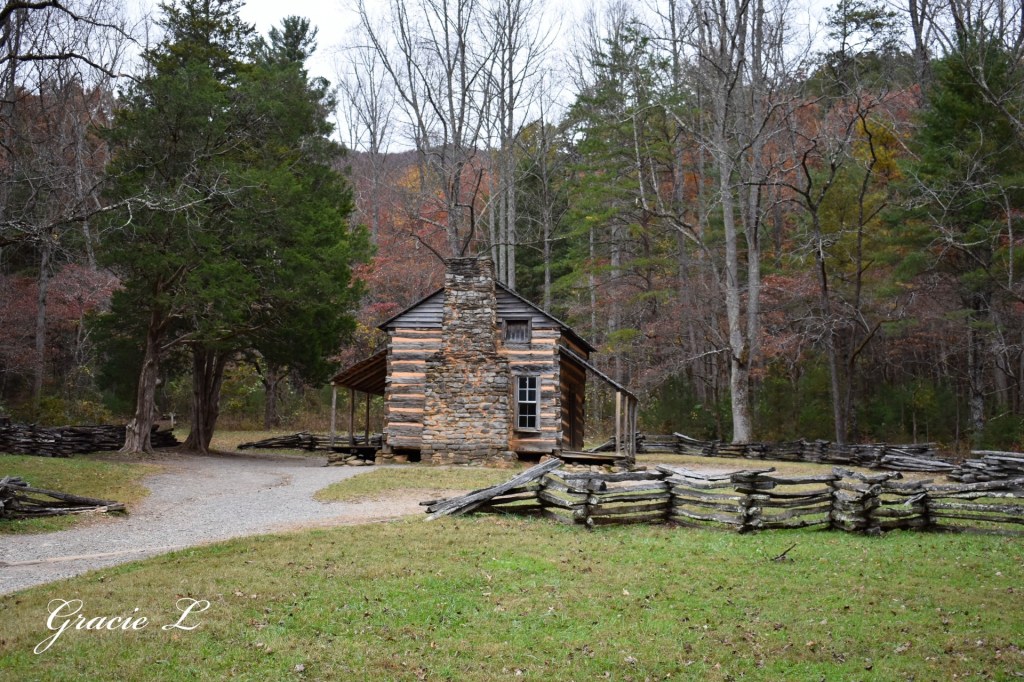
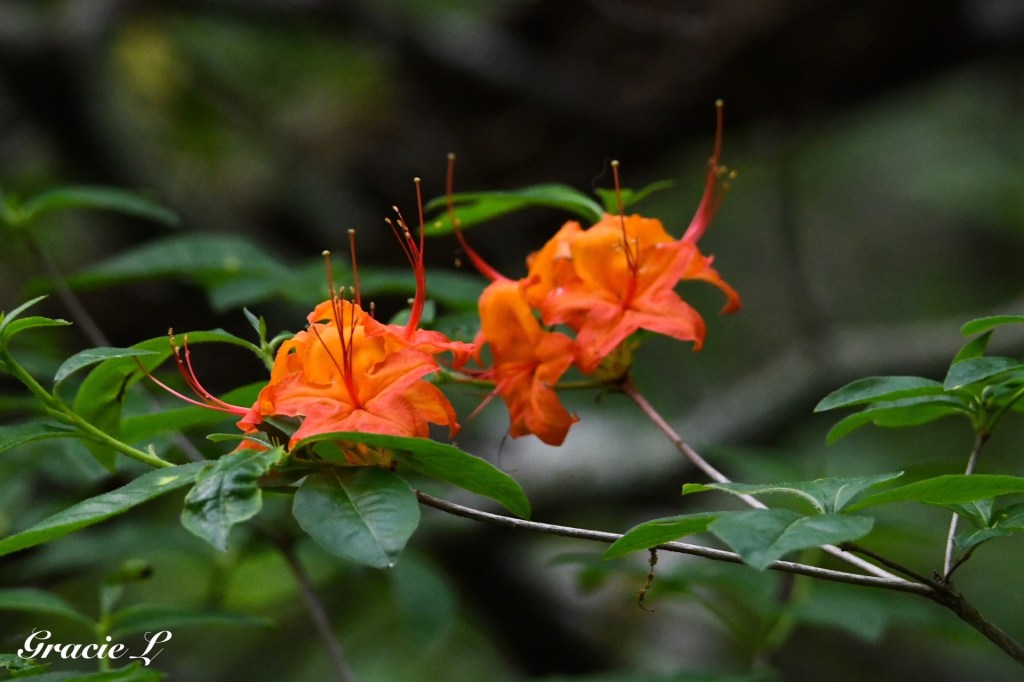
Tag: hiking

  • One Of Georgia’s First State Parks Is in North Georgia!

    Did you know one of the first two Georgia state parks to ever be established is right here in North Georgia?

    Vogel State Park located in the North Georgia mountains not far from Smithgall State Park, Amicalola State Park and Unicoi State Park is one of the first two parks that Georgia ever established in 1931.
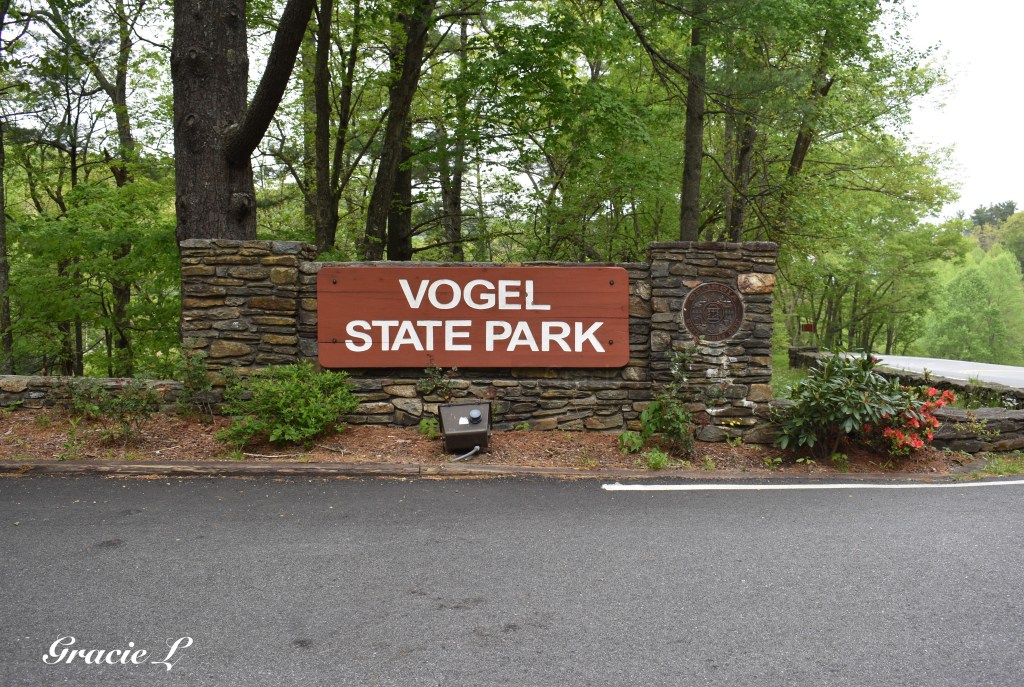
    During the early twentieth century cars were becoming extremely popular and so was tourism that’s when Georgia took knowledge of the new movement by joining the national movement to establish state parks in 1927. They also wanted to preserve the Indian Springs Reserve in Butts County, Georgia and the state senate called for resolution.

    The resolution resulted in Indian Springs and ten acres of land around it to be placed under the jurisdiction of the State Board of Forestry with the idea of turning the spring and the land around it into a state park.
    After this proposal in 1931, the Georgia State Parks was established, and the state created a commission that established Indian Springs as a state park as well as Vogel.

    During the next six years five more state parks would be added to this list including Santo Domingo (now Boys Estate) near Hofwyl -Broadfield Plantation, Alexander H. Stephens, Chehaw (which is currently a local park) and Pine Mountain which is now F.D. Roosevelt State Park.

    Vogel was established as a forest park with the reorganization of the State Board of Forestry. The reorganization act created a commission to administer the Department of Forestry and Geological Development.

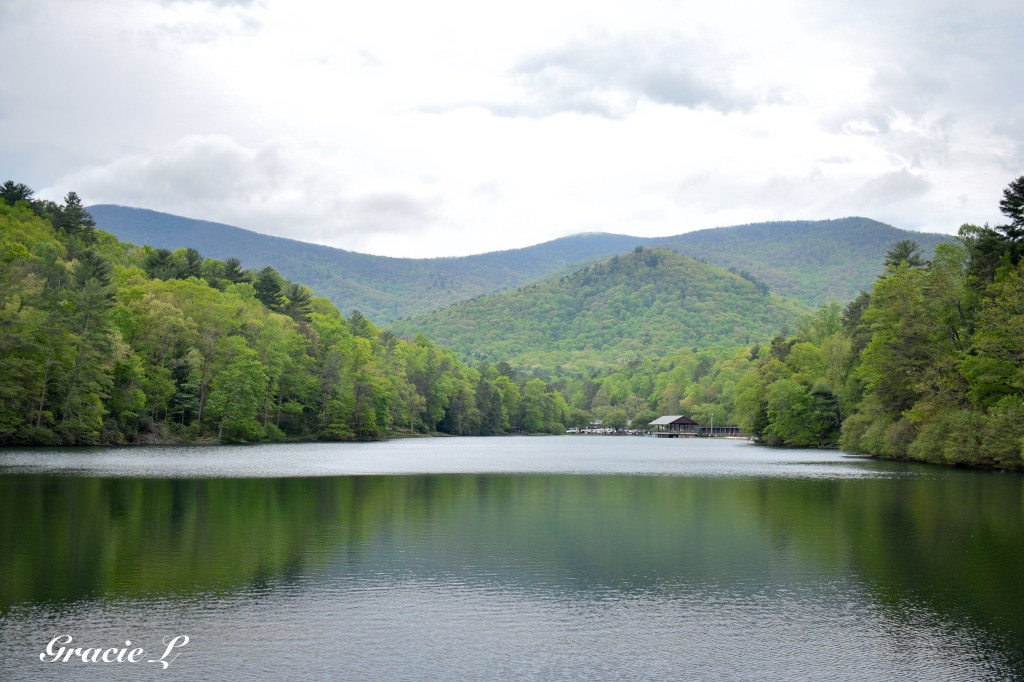
    Vogel is nestled in the Chattahoochee National Forest at the base of Blood Mountain in Blairsville, Georgia which is the highest part of the Appalachian Trail in Georgia. The park is located at 2500 feet above sea level and is linked to several generations of Native Americans living here before the Europeans arrived and rightfully so with its breathtaking beauty!

    The park today is 233 acres not including its 22 acre lake. Visitors have the option of staying over 34 cottages, 90 tent, trailer and RV sites, 18 walk-in campsites and 1 pioneer campground.

    Visitors also have the option of reserving 4 picnic shelters, 1 group shelter which seats 90 and 1 lake pavilion which seats 100.

    Today visitors can enjoy this park’s natural beauty by hiking over 17 miles of trail including hiking to Trahlyta Falls, fishing, swimming and kayaking.

    The park also has a general store and a seasonal CCC Camp Museum.

    After the establishment of Vogel and Indian Springs State Park, in 1937 the state reorganized the organization again splitting it into several divisions including the Division of Forestry, Division of Wildlife, Division of Mines, Mining and Geology and then finally the Division of State Parks, Historic Sites and Monuments.

    Today’s state park system is the direct ancestor of this park.
  • Crickets Are Natural Thermometers!

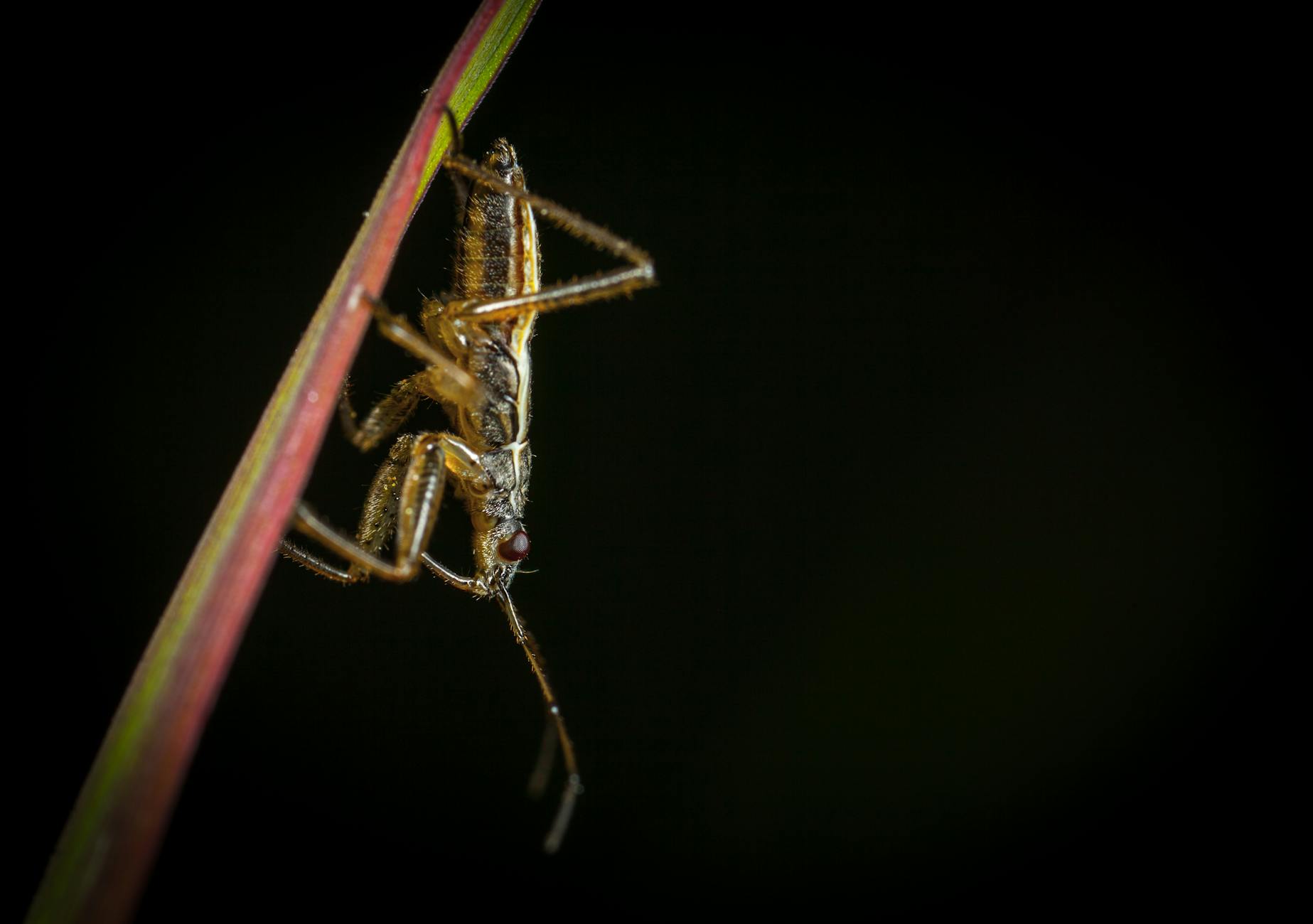
    Have you ever set outside in the late evening and listened to the relaxing sound of crickets chirping? Well did you know that when the crickets are chirping it can also tell you what the temperature is outside? It’s true!

    Crickets chirp faster when it is warm outside and when it is colder crickets will chirp slower.

    Photo by Egor Kamelev on Pexels.com

    The easy rule of thumb is to count however many times the crickets chirp as fast as you can in 14 seconds and add 40 to the resulting number that you have counted. The result will be the temperature in Fahrenheit of whereever the crickets are located.

    Crickets are cold blooded and adapt to the temperature of their surroundings.

    In 1897, a scientist named Amos Dolbear published an article “The Cricket as a Thermometer” which noted the correlation between the rate of the crickets chirp and the ambient temperature.

  • Elk: The Loudest Deer in North America

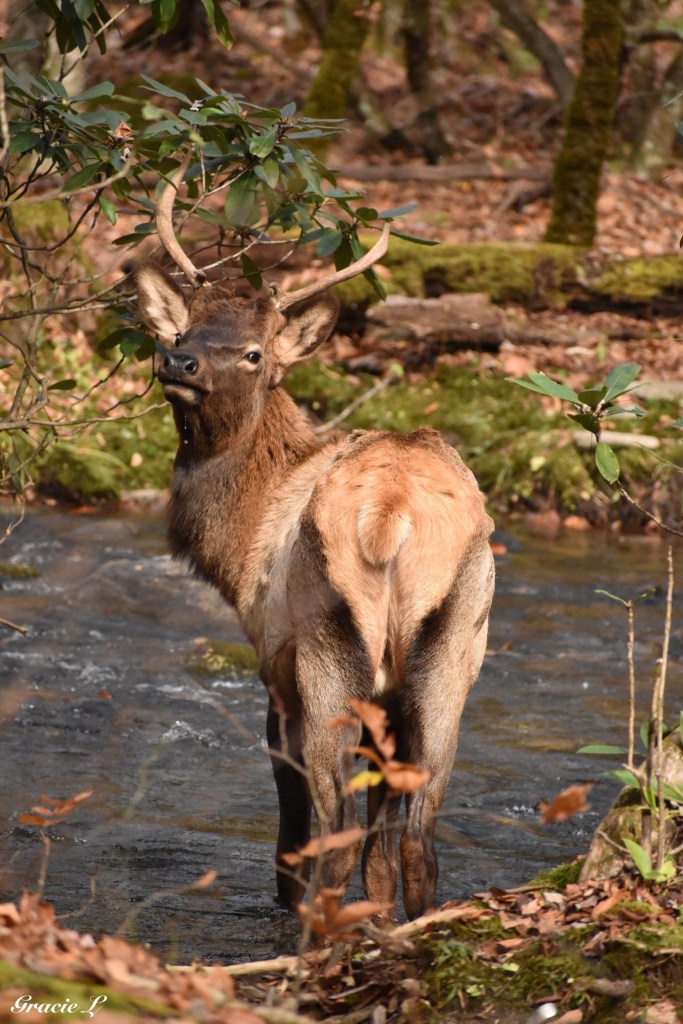
    Did you know that Elk are the loudest species of deer?

    Elk, especially bull male elk, make one of the highest pitched and unique sounds that can be found on the planet.

    During the breeding season called the “rut” male bulls will make mating calls called “bugles” to help call in and win over his females.

    The high-pitched has been said by some to similar a mix between a scream and a whistle.

    Bugles from a bull elk are so loud sometimes they can be heard from miles away!

    Another call besides the bugle tht elk use to communicate is a sound called “clicking” but this communication doesn’t come from the voice!

    Clicking is the most commonly used call by elk when communicating.

    Elk make popping or clicking noises with their ankle joints. This lets other elk know that the elk behind them is part of their herd and is not a predator.

    Elk are very impressive animals and very smart as well. They know when danger is near and like I mentioned above they have several ways to help alert the rest of the herd of the nearby potential danger.

    However, this is another good reason why you should always be alert when visiting places that are populated with elk like the Great Smoky Mountains because if you are hiking and not paying attention and you come across an elk it may just mistaken you as a predator and nobody wants to make a 700lb bull elk or 500lb cow elk mad!

  • Tennessee Is Named from This Underwater Town!

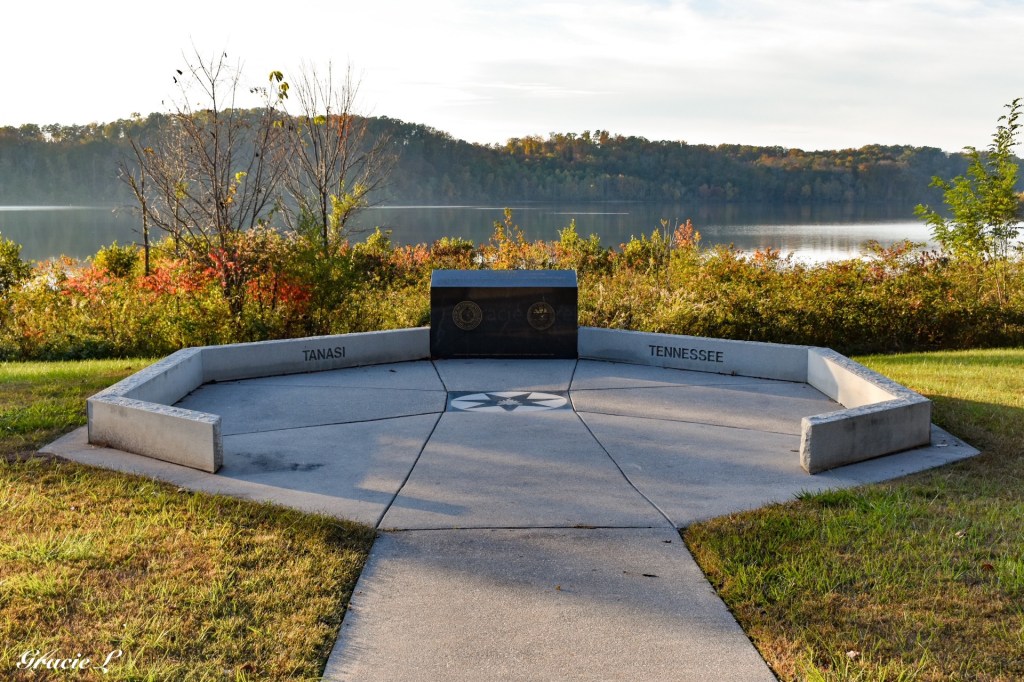
    Hidden underneath the Tellico River in Vonore, Tennessee lies the Cherokee Nation’s first capital city of Tanasi.

    The capital was in effect from 1721 to 1730, 46 years before the Declaration of Independence was signed.

    Tanasi attained political prominence in 1721 when its civil chief was elected the first “Emperor of the Cherokee Nation”. About the same time that this had occurred, the town name was also applied to the river on which it was located.

    During the mid-18th century, Tanasi became overshadowed and absorbed by the town of Chota which was located to the immediate north.

    So how did Tennessee get named from the town of Tanasi?

    The first recorded spelling of Tennessee as it is today occurred on Lt. Henry Timberlake’s map of 1762. In 1796, the name Tennessee was selected among several as most appropriate for the nation’s 16th state.

    The flooding to create the Tellico River in this area caused the town to become underwater. The flooding was caused for the Tellico Reservoir and to complete the construction of the dam on the Little Tennessee River.

    The site of the former town of Tanasi is now underwater and is located about 300 yards west of the Tanasi marker.

    Folks from all around can come to the Tanasi Memorial on the Tellico River to pay tribute to this underwater but never forgotten town!

    If ya’ll are interested in visiting here is the address to the marker

    Follow Hwy 360 to the junction of Hwy 360/Hwy 455 for about 5miles. Then turn left onto Country Road 461 where you will then turn right to the Tanasi Memorial.

  • Bear Safety Tips!

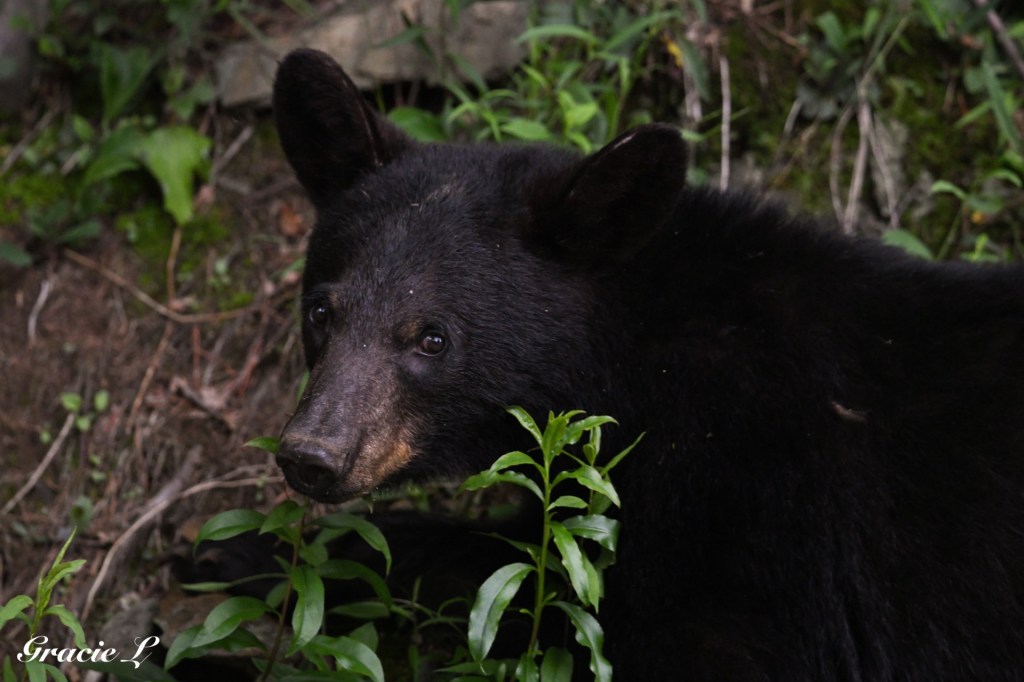
    Black bears, a fierce creature but yet gentle until provoked! So how do we keep these beautiful creatures and our family safe without harming you or the bear while camping? Here are a few ways!

    1. Do Not Feed The Bear!

    Sure, Black bears look cute and cuddly from a distance but don’t let that get to you! Bears are extremely territorial especially with food as it is their natural instincts to compete with other animals for food in the wild.

    2. Leave the bear be!

    Bears are not meant for up-close and personal encounters as this might result in your last encounter! If you find yourself accidently too close, stop, back away from the bear and do not turn your eyes away on the bear as these are wild animals and are extremely unpredictable! If the bear still follows you, make loud noise and make yourself larger than the bear by raising your arms above your head!

    3. Bring Bear Spray!

    This is a last result option but if the bear begins to attack you, spray the bear and the bear more than likely will leave. It’s completely safe for the bear and only requires discomfort for a few minutes.

    4. Lock Your Food Inside Your Car or Camper!

    Food locked away is a bear’s best friend as a fed bear is truly a dead bear! Bears continue to come back to the campground of which they were fed and when you don’t feed the bear, the bear becomes severely angered and can result in an attack!

    5. Don’t Camp in Any Campsite with Leftover Food Left in It!

    It always a good rule of thumb as you don’t necessarily have to be the one who left the food behind but those before who did probably attracted in some kind of wildlife with it which would include bears! So, always be alert when pulling into a new campsite with some leftovers as it might come with a furry guest as well!

    I hope these tips were helpful! Happy Camping Everyone!

  • The Road into Cade Cove is Not the Original Road!

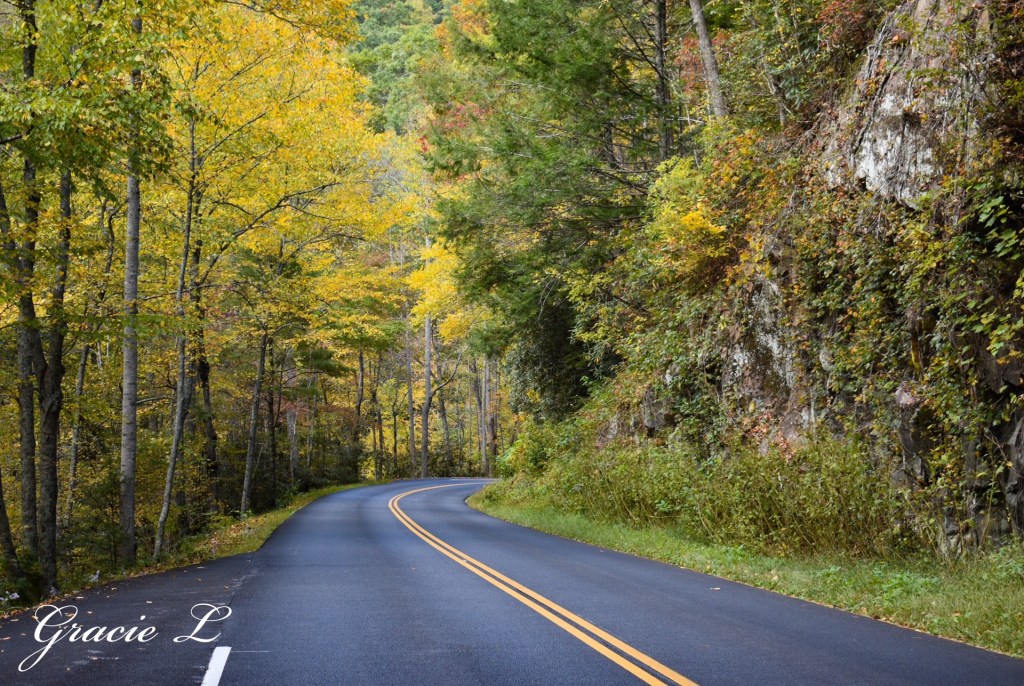
    With millions of folks around the nation and world for that matter coming to visit The Great Smoky Mountains National Park each year, it’s safe to say that the roads are used to their maximum now days, but did you know that the road into Cades Cove is not the original route that the settlers used?

    Back when Cades Cove was a thriving local family community, settlers used five different roads (which we will get to in a moment) to exit and enter the Cove. None of which is the road that we all take to enter the Cove by Little River from Townsend, Tennessee and Gatlinburg, Tennessee.

    The settlers mostly used these five roads to commute back and forth to gather food, supplies and other needs in town. The roads include Rich Mountain Road which can still be drove on by visitors today but just in select seasons of the year though! It is located on right side of the loop straight across from The Missionary Baptist Church. This road was used most commonly by those who lived in the center of the Cove. Rich Mountain takes you through the heart of the Smokies into the mountains which we all call home and takes you to Tuckaleechee Cove just on the outskirts of Townsend. It is graveled and pretty tough terrain so I would recommend a high off the ground vehicle.

    Another common road that was used was Crib Gap Road. This road is not a drivable road but nevertheless still a true part of Cades Cove’s history. This road took the settlers east to the Anderson Turnpike which then went to Tuckaleechee Cove just like Rich Mountain Road. This road is now a 3.9 mile out and back trail and is considered moderately challenging.

    Cooper Road was another used road by the settlers. It was used as a direct route to Maryville straight from the Cove. Cooper Road is now a 11.1 mile out and back hiking trail that can be accessed at the upper end of Abrams Creek Campground. This is considered a moderately challenging trail.

    Rabbit Creek Road was located at the Abrams Creek Parking Area and headed back south to Happy Valley which is located just to the east of the Foothills Parkway West Overlook #14 and just west of the Abrams Creek Campground.

    Last but certainly not least is Parsons Branch Road which is located just a few miles from the Cades Cove Welcome Center and about 1/4 mile from Henry Whitehead’s Cabin. This road is accessible by car but is graveled and pretty rough terrain so I would recommend a high off the ground vehicle. This road allowed settlers to access to Parsons Turnpike in the south and now days provides visitors access to U.S. Route 129 or what is most commonly known as “The Dragon”.

  • Is There an Underground City Below Cades Cove?

    Alot of rumors have been passed from generation to generation as to where and if there is an underground city below Cades Cove.

    On Monday, March 27th, 2017, the National Park Service performed maintenance on the John Oliver Cabin. The cabin was one of the first cabins to ever have been built inside of the cove.

    A crew member by the name of Brian Crimmins was cleaning the cabin’s fireplace when suddenly the floorboards where he standing began to buckle under his weight.

    While giving an interview with the local media outlets, Crimmins explained what he just happened.

    “I’m a pretty big guy, so I don’t think the old wood floors were accustomed to supporting someone with my build. When I knelt down to start cleaning the fireplace, I started to hear a cracking sound, and before I knew it, I had fallen through the boards. I was pretty embarrassed at the time, but now I’m really happy that it happened.”

    After Crimmins was safely removed from below the floor, crew members were shocked to find a tunnel under the broken boards. This discovery prompted the National Park Service to bring in the help of Dr. Dennis Poliferno, a noted archaeologist and historian from the University of Tennessee. Under Dr. Poliferno’s direction, a series of expeditions were made in the tunnel from March 28th to March 31st.

    Some believe that the mile long tunnel beneath the cabin leads to a large underground city that was inhabited by the Cherokee tribe.

    Now this story sounds very convincing. There’s only one issue this news which was first published by experiencecadescove.com and the story is indeed just an April 1st joke.

    No one ever has reported nor discovered an underground city if there is one, but I bet a lot of you now are like me and are really wondering if there is an underground city and if so, where is the city’s location?

    For now, it is just a joke but who knows what the future holds! There’s always new Cades Cove history discovered!

  • Look Out for These Beautiful Wildflowers This Spring!

    With Spring only less than 5 weeks away, the Appalachian Forest floor is fixing to be covered with the most beautiful wildflowers and blooms.

    Wildflowers will start their blooming season in mid-March to early April. The colors will range from blues to yellows all the way to pinks and purples. Nature’s colors and shapes are truly endless when it comes to wildflowers!

    Some of your most common flowers you will spot in the mountains will include Bloodroot, Dwarf Violet Iris, Bird’s Foot Violet, Confederate Violets, Sweet White Violets, Common Blue Violets, Wood Violets, Halberd-Leaved Violets, Wood Anemone, Canadian Wood Betony, Toadshade Trillium, Catesby’s Trillium, Sweet White Trillium, Yellow Trillium, Rue Anemone, Purple Phacelia, Wild Geraniums, Orange Jewelweed (Spotted Touch-Me-Not), Red Cardinal Flowers and Blue Cardinal Flowers.

    Bloodroot one of the flowers I just mentioned before is an herb native to the Appalachians. It has many amazing factors to health including helping inflammation, coughing, growth of new blood vessels, infections and for cancer treatment as well. Native Americans used Bloodroot as a dye, love charm, pain relief, fever relief, a medicine, gangrene and for wound infections.

    Each and every wildflower has a special meaning to being here but not all flowers are safe to consume or eat or to even touch! “Cow Itch” as us Southerners call it has some of the most beautiful orange wildflowers that you have ever seen but by touching this flower you will be covered in an itchy rash for one to two weeks.

    With all of this being said it’s always a good idea to have a flower identification book with you or just don’t touch the flower until you have identified it.

    However, when in Federal or State areas like State Parks and National Parks it is always a good idea to never pick any flower good or bad due to it being a federal offense that can result in a fine. Many animals like the Honeybee depend on these flowers to collect nectar to produce honey for their hive.