Tag: wildlife

  • How A Woodpecker Builds a Nest!

    Have you ever seen the cutest and tiniest black and white woodpecker? If you have, you have more than likely have just spotted a Downy Woodpecker.
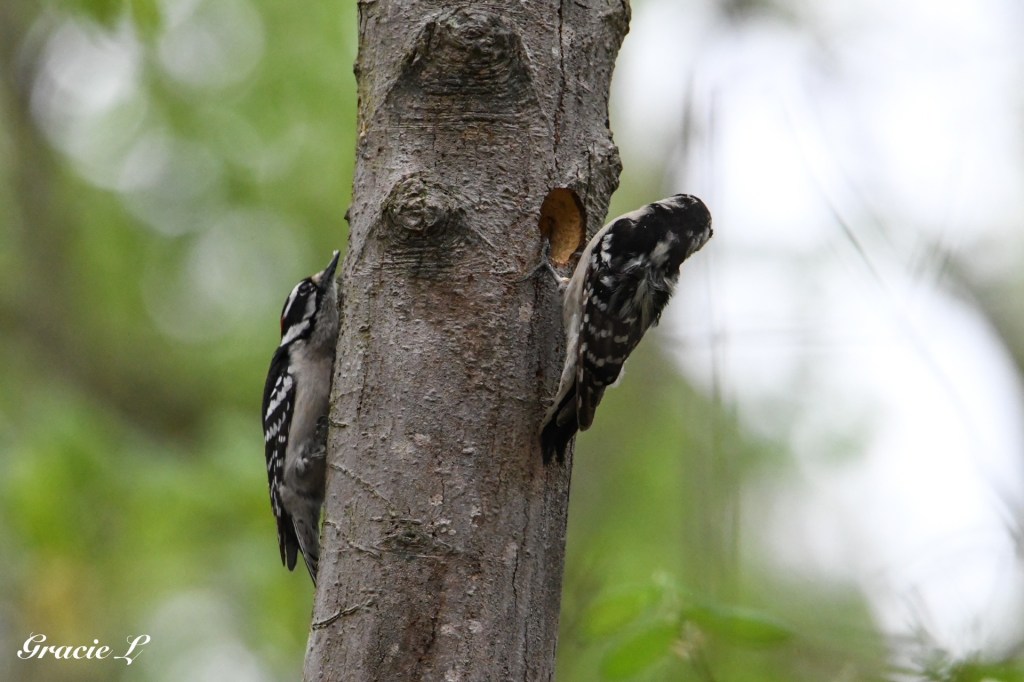
    Downy Woodpeckers are a common sight at my feeders and one couple has just recently decided to build a nest in a dead tree just a few feet from the feeders and it got me to thinking how do they build such an extravagant home? Well, we are about to find out!

    Downy Woodpeckers first begin designing their new home by choosing a wooden tree stub no more than 7 inches in diameter and that leans away to provide shelter and provides a place where they can put the entrance on the bottom.

    After choosing their new “treehouse”, the couple will then begin chipping away at the surface of the tree until they form a circular hole at the top of the tree and a circular hole entrance at the bottom. This process takes the couple one to three weeks to complete both taking turns.

    Entrance holes are about 1 to 1 1/2 inches across and the cavities will be 6 to 12 inches deep, and the cavity will widen as it goes deeper inside the nest to provide room for the eggs. The cavity will be lined with wood chips to provide cushion for the eggs.

    After completing the nest, the female will lay 3 to 8 eggs and both male and female will incubate the eggs for about 12 days.

    After hatching, the babies are born naked with pink skin and with their eyes closed. They are also born with a sharp egg tooth which helps the baby to hatch out of their eggshell.

    Both parents will bring the babies a mouth full of insects around the clock to feed the nestlings and the babies will remain with them until they are 20 to 25 days old.

  • Owls Turn Their Heads All the Way Around Without Damaging Them! Here’s How!

    Owl species including the Barred Owl do not have eyes in the back of their head so to see what’s going on around them they have to turn their head over 270 degrees in each direction and by doing this natural trick they can turn all the way around! When owls like the Barred Owl look to the left, they can turn their head all the way to the right and when they look to the right, they can rotate all the way to the left but how do they do this without damaging their neck and head?

    An owl’s neck bones or vertebrae contains holes that are much larger than they are in other birds and us humans. In humans, the holes are about the size of an artery and in owls they are ten times the size versus humans. This causes the holes to hold air sacks which helps to cushion the owl’s neck when it turns its head, and this prevents damage to their neck. If us humans did the same thing, we would more than likely have a stroke.

    So why do owls need this incredible feature? Owls have spherical shaped eyes, and their eyes are elongated tubes, and their eyes are attached in their eye sockets by bone. The tubular shape of the owl’s eyes helps the owl to have amazing binocular vision which helps in spotting prey. However, owls cannot turn or roll its eyes and instead can only look straight forward but by them being able to turn their head around allows them to get a good look around their area.

    While human arteries tend to constrict when we turn our heads very far around and with owls the arteries continued to expand which allows the blood to continue to flow and eventually pool into tiny reservoirs and these reservoirs helped minimize the restriction of blood flow and to maintain eye and brain function while the owl is turning its head.

    With all this being said the owls are truly an incredible masterpiece of nature!

  • Georgia’s Most Dangerous Insects: Easy Identification Guide!

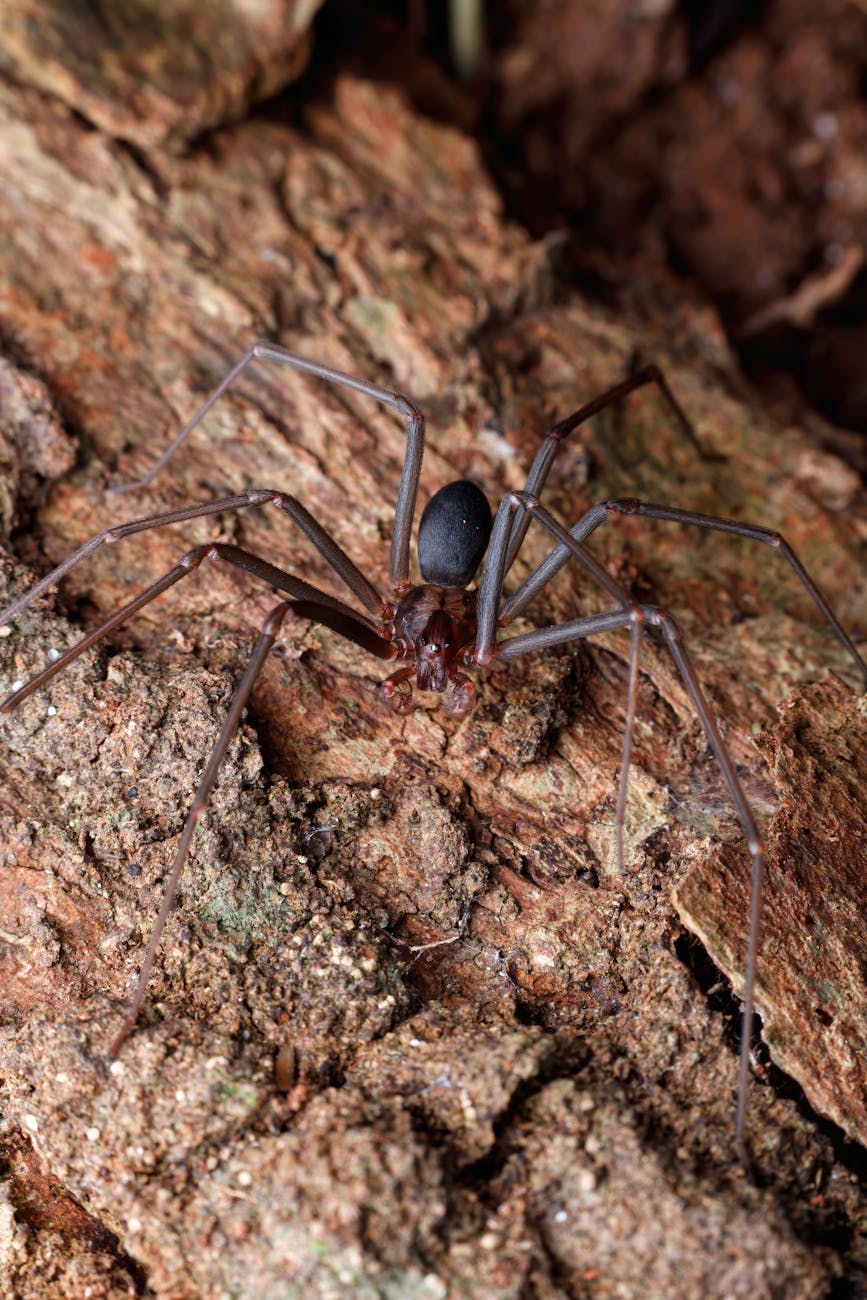
    Brown Recluse Spider

    Photo by cassius cardoso on Pexels.com

    The Brown Recluse Spider bite will result in an extremely painful open wound.

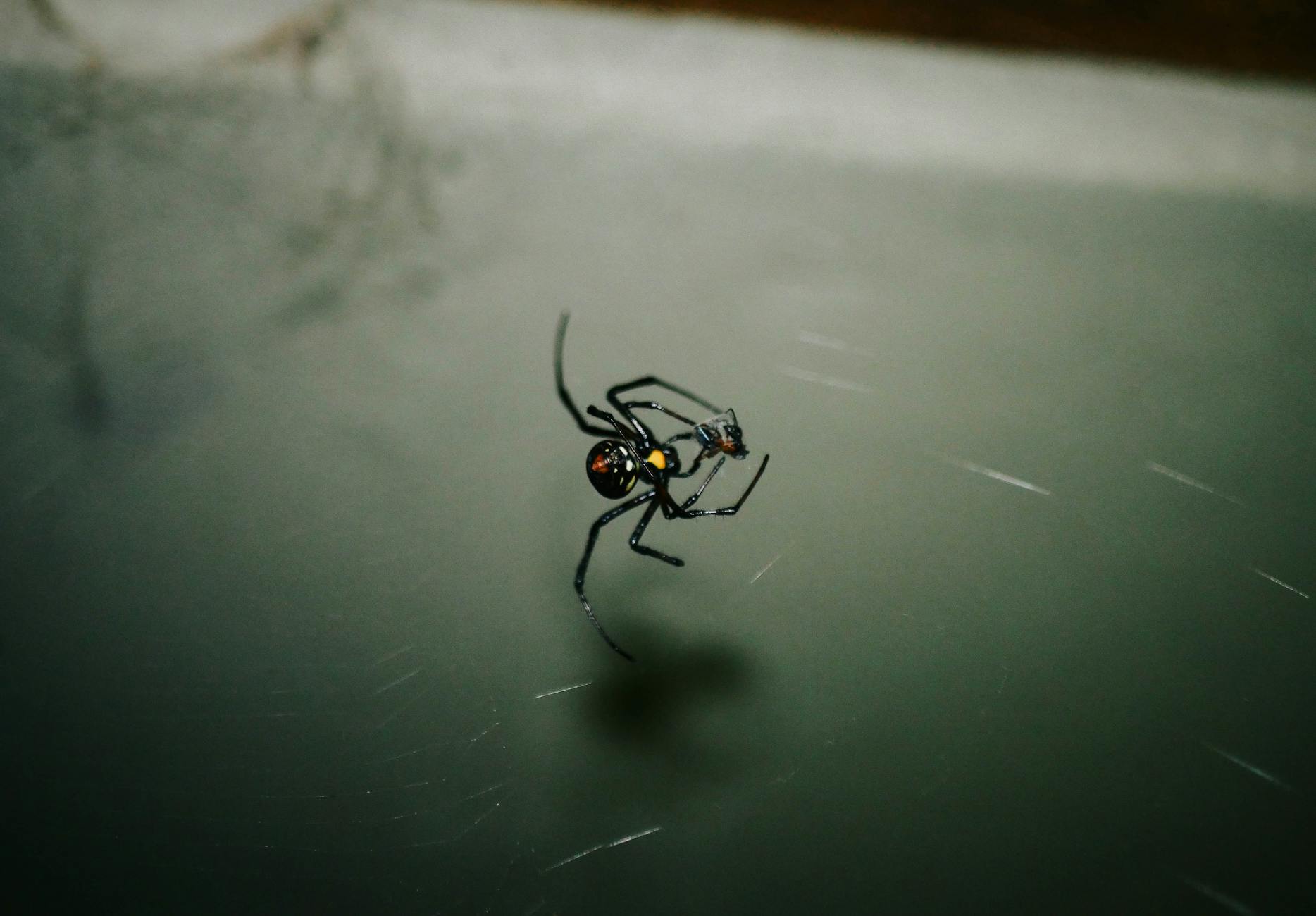
    Black Widow Spider

    Photo by Bruno Guerra on Pexels.com

    The Black Widow is considered to be the most deadiest insect and spider inside the state of Georgia. If you are bitten seek help immediately. Their venom attacks the nervous system resulting in muscle cramps and severe pain.

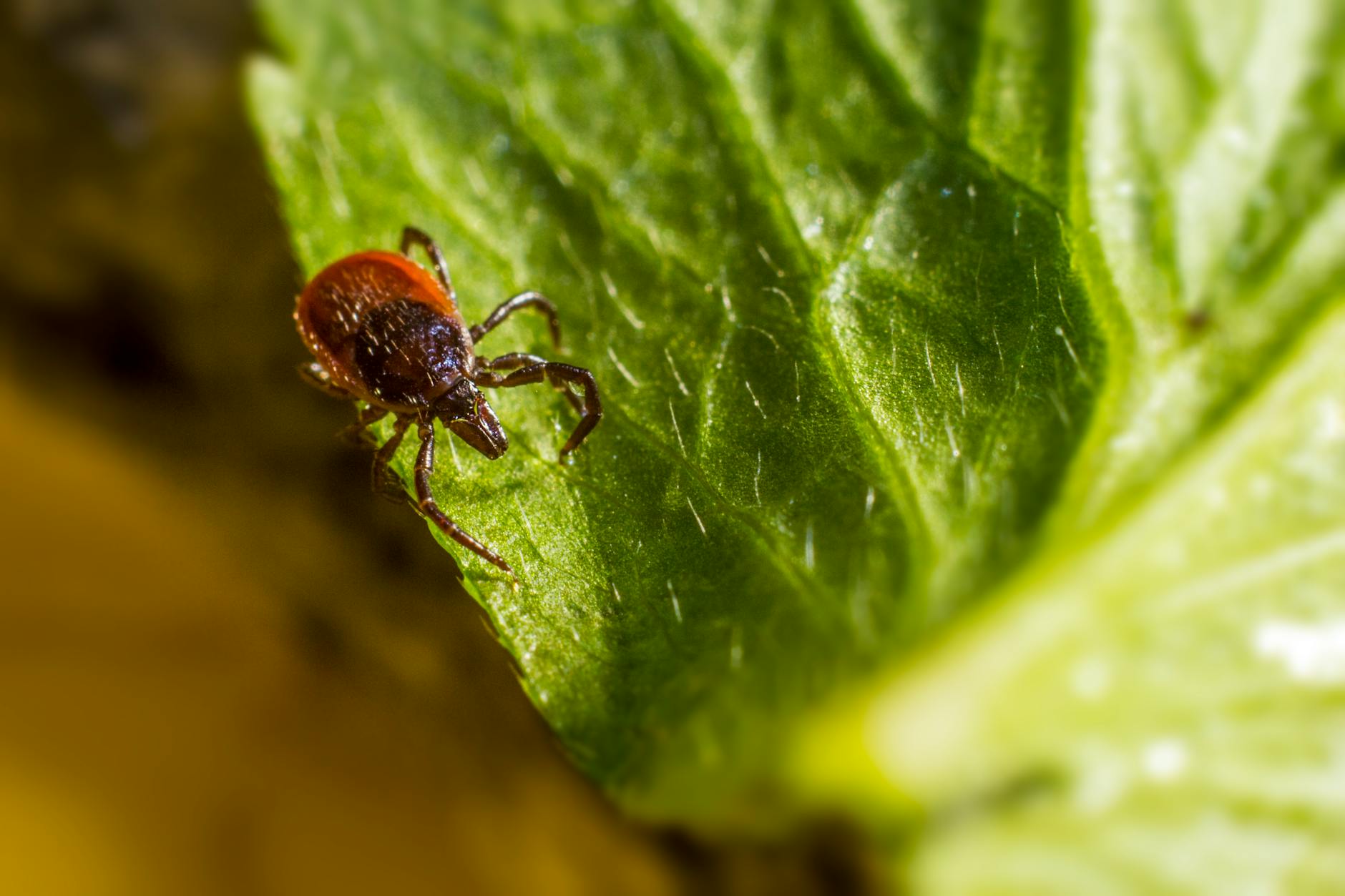
    Ticks

    Photo by Erik Karits on Pexels.com

    Ticks will literally make your skin crawl. Some of the most dangerous illnesses spread by tick bites include lyme disease and rocky mountain spotted fever.

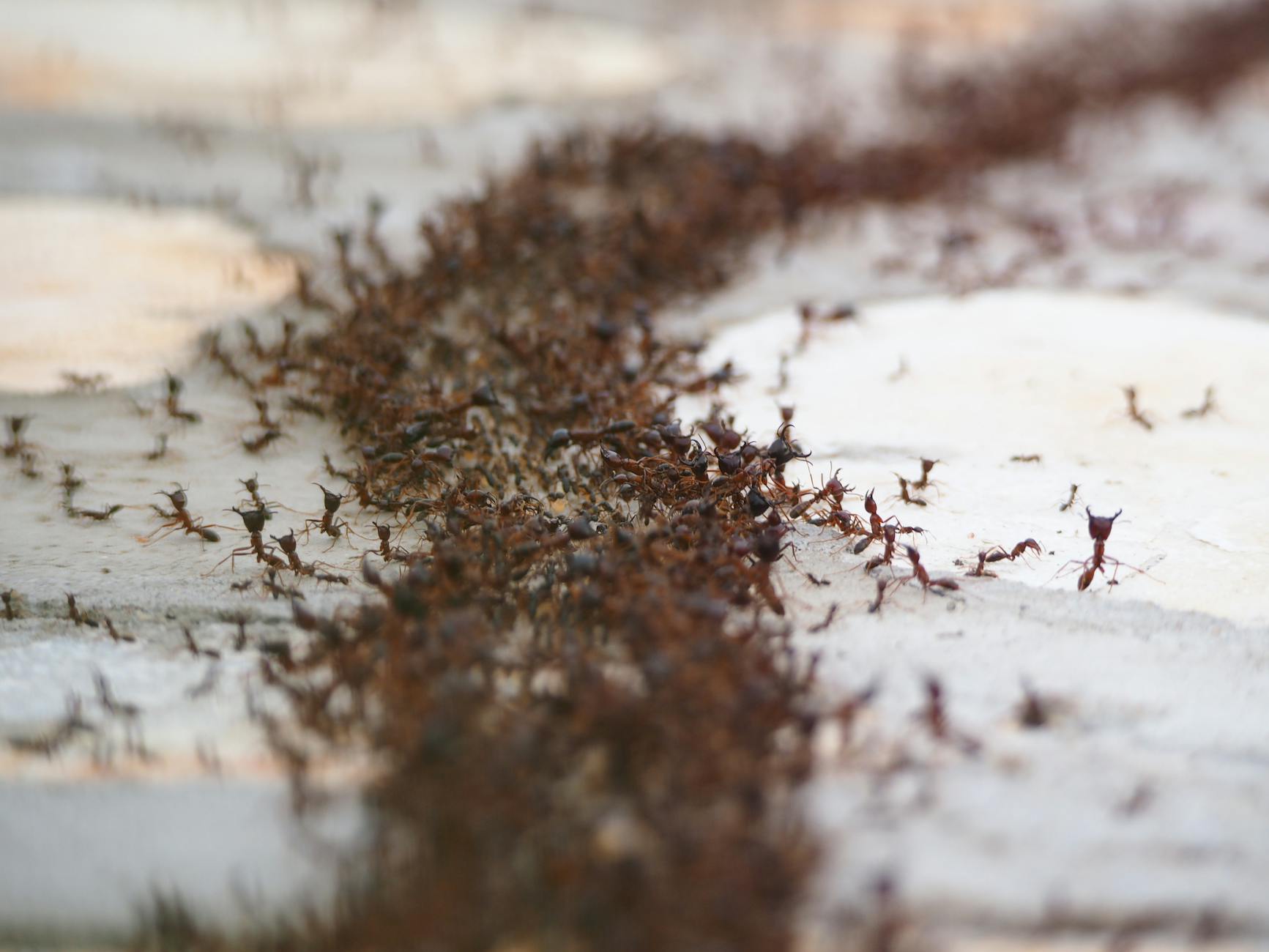
    Fire Ants

    Photo by Timon Cornelissen on Pexels.com

    Fire ants can be a issue and to anyone who has ever been bitten by one can tell you just how bad the bite hurts. If you find yourself bitten by a fire ant or even worse a colony be sure to take care of yourself and watch for any allergic reaction.

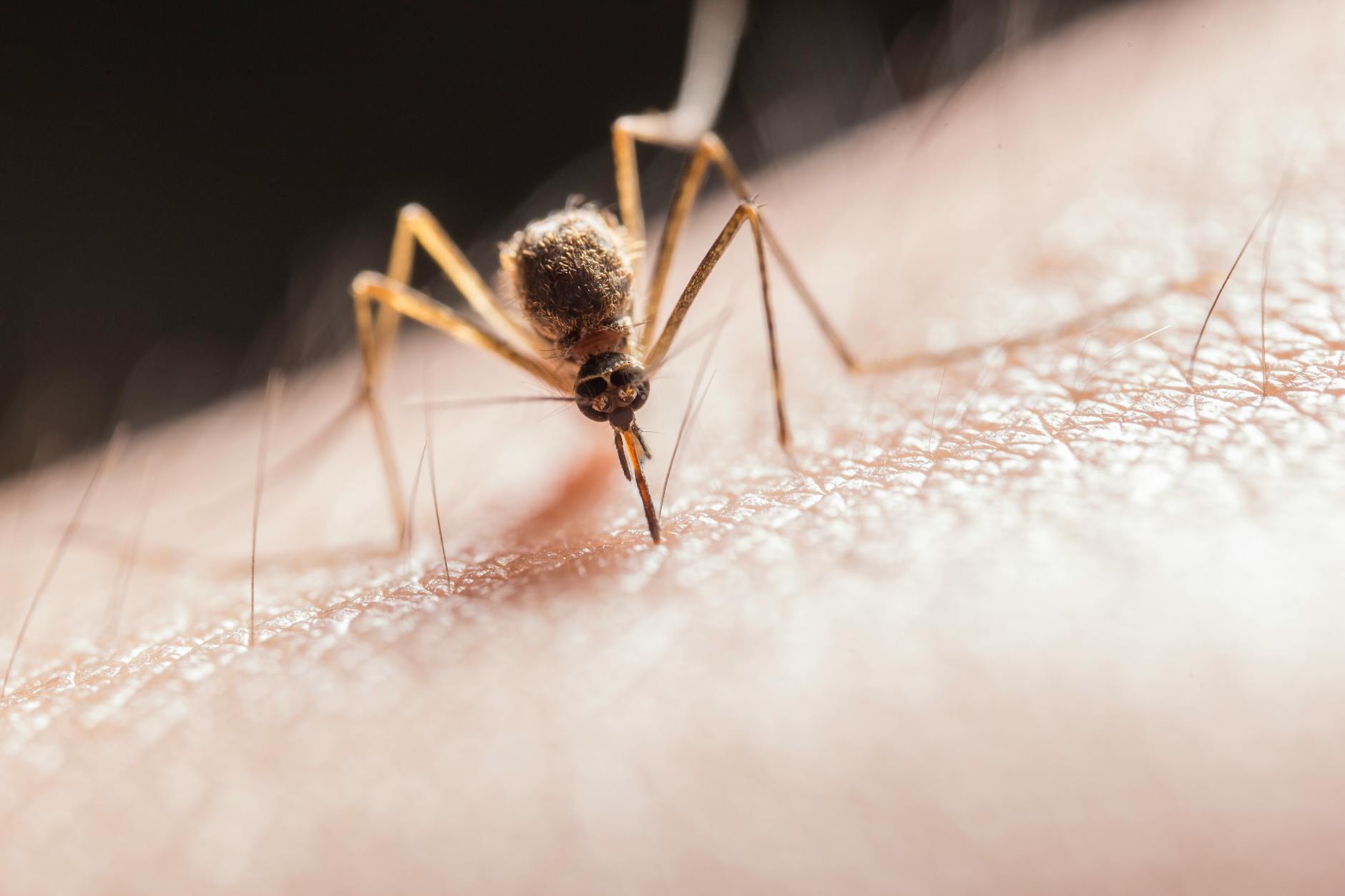
    Mosquitos

    Photo by Jimmy Chan on Pexels.com

    It is nothing uncommon to be bitten by a mosquito especially if you live in the state of Georgia. Most mosquito bites are totally safe and go away after a few days but some are not so safe. Some bites can result in infecting the host with the Zika Virus, West Nile virus and the Eastern equine encephalitis. The bite can even carry some of the most deadliest diseases like malaria.

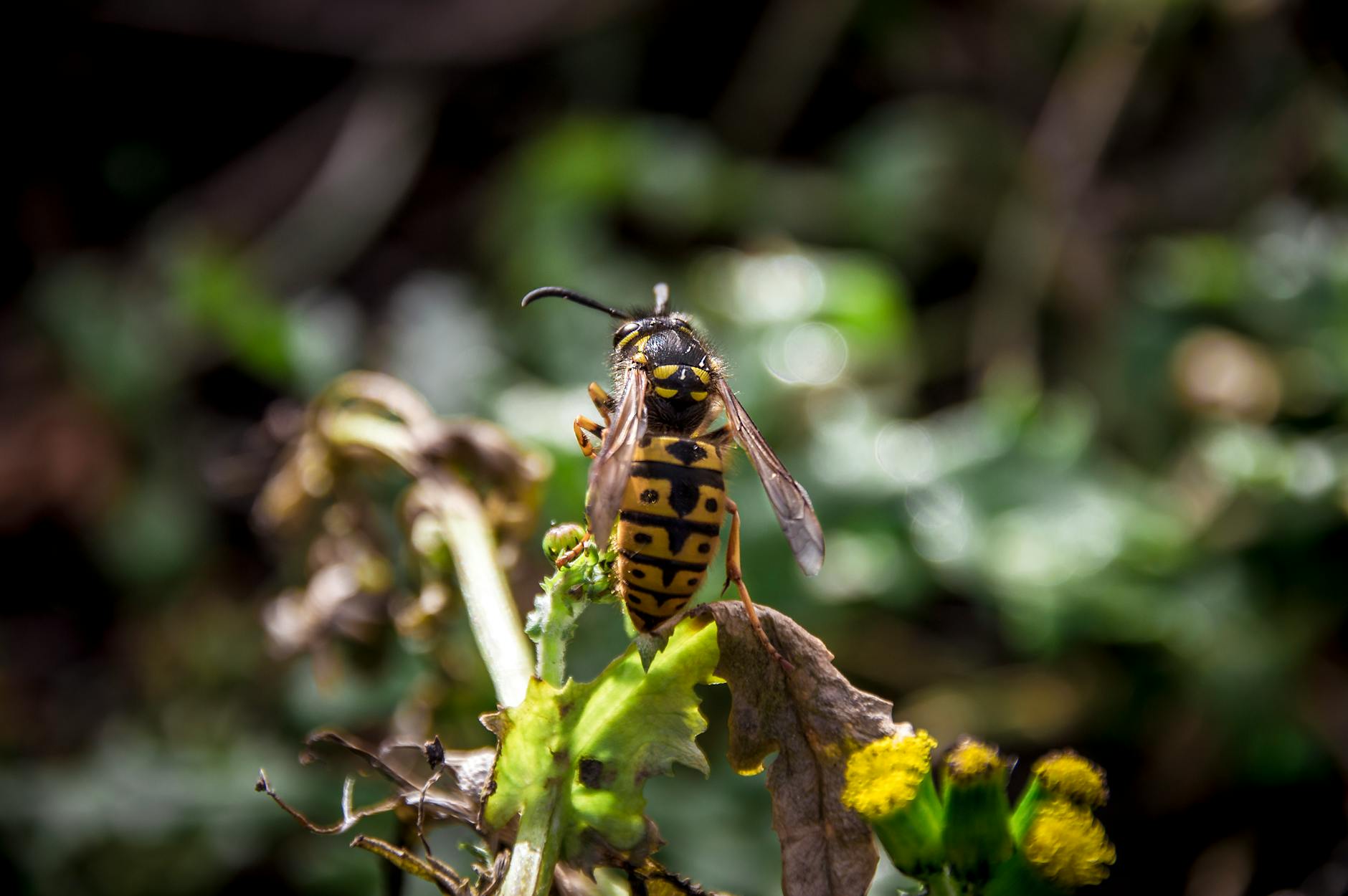
    Yellow Jackets

    Photo by Kate Bk on Pexels.com

    Yellow Jackets mostly burrow underground to make their nest and their nest can easily be overlooked resulted in many people being stung while out mowing the lawn or just doing something just as walking by the nest. Be sure if you’re stung to watch out for any signs of an allergic reaction.

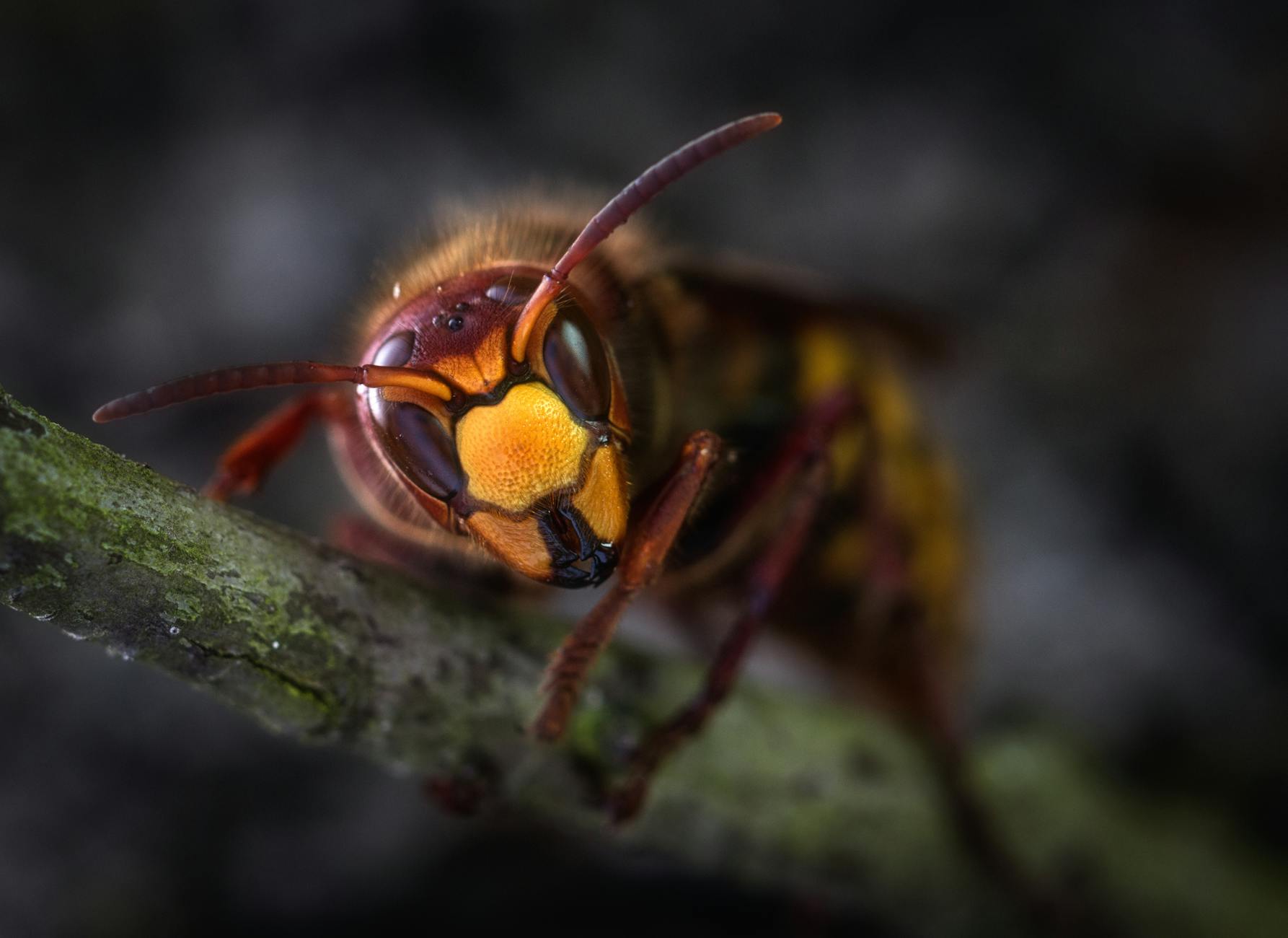
    Hornets

    Photo by David Hablu00fctzel on Pexels.com

    Just like Yellow Jackets, hornets can also bury underground to build their nest and can even build their nest in tree cavities or limbs. If you are stung be sure to watch out for an allergic reaction.